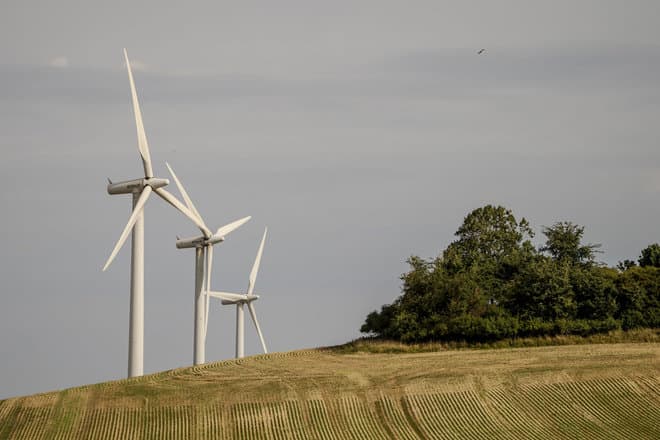
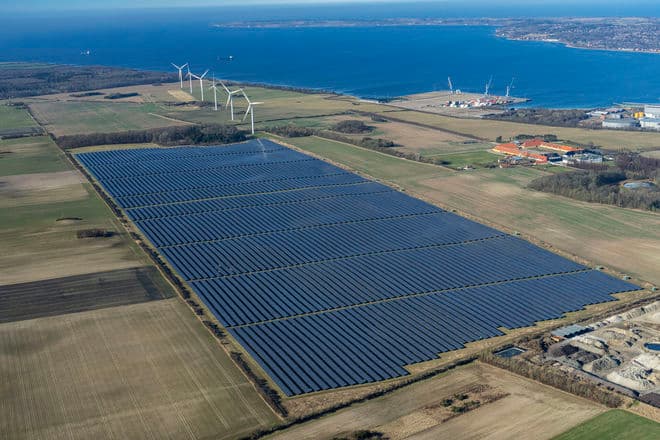
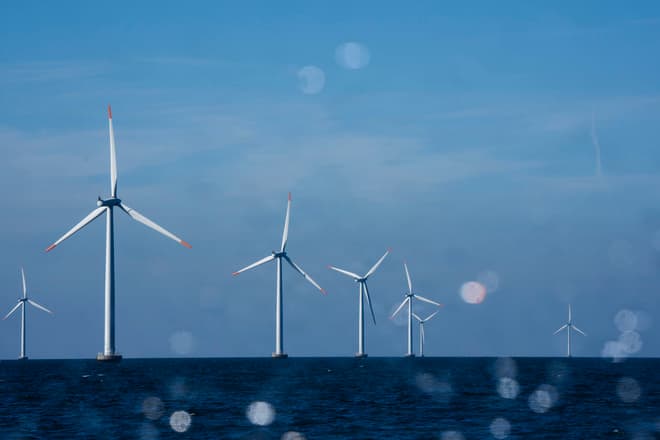
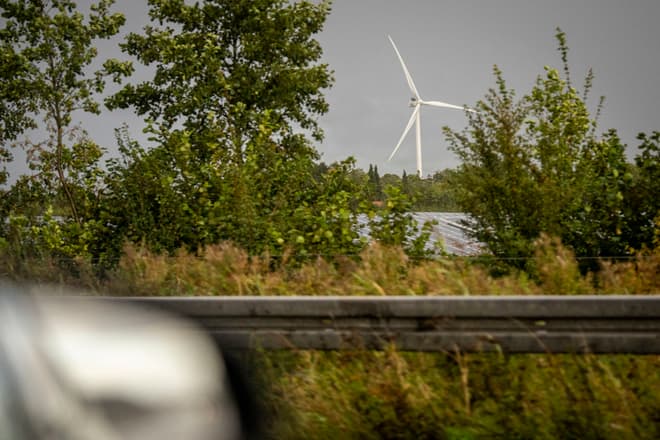
Wind turbines are to be massively expanded in the North Sea. Charging stations for electric cars are to be installed. Natural gas is to be phased out, and district heating is to be rolled out.
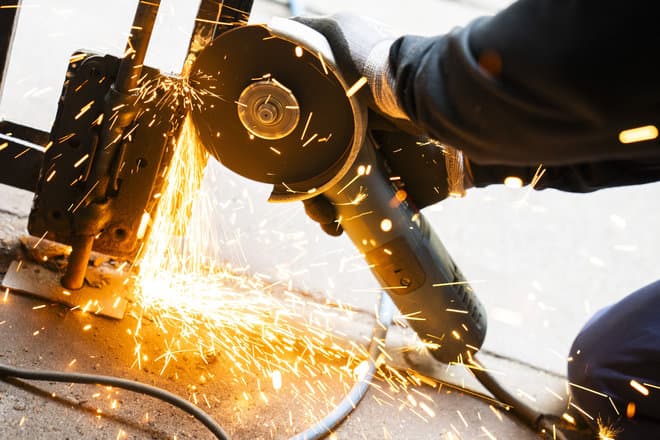
Therefore, there is a great need for electricians, blacksmiths and plumbers. But the green transition in Denmark may be slowed down because it will be difficult to find skilled labor in the coming years, writes Jyllands-Posten.
This can pose serious challenges, according to three similar analyses from Green Power Denmark, Concito and Dansk Metal in collaboration with the Danish Labour Movement's Business Council.
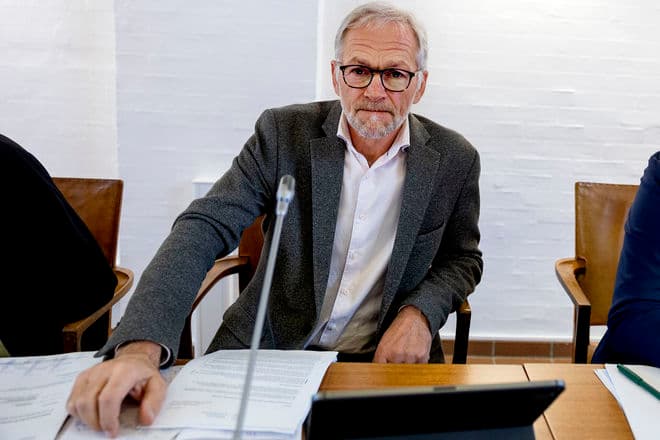
- It is a big challenge if we do not have enough hands to fulfill the Danish Parliament's climate law on a 70 percent CO2 reduction by 2030, says Jan Hylleberg, deputy managing director of the industry association Green Power Denmark, to Ritzau.
According to the industry association, the green transition will create an increased need for what corresponds to 45,000 full-time positions annually towards 2030.
This concerns both unskilled workers, skilled workers and people with higher education. The situation is worst for skilled workers, who cover approximately half of the calculated need.
Therefore, Green Power Denmark suggests that a plan be drawn up together with the Folketinget and the social partners.
- We must ensure that we have this type of workforce. Otherwise, we risk that the green transition will be delayed and come to a standstill, says Jan Hylleberg.
The government has recently accelerated its green ambitions with a massive expansion of the wind turbine industry in the North Sea towards 2050.
For a number of years, political efforts have been made to get more young people to follow the skilled path. Employment Minister Peter Hummelgaard (S) points out in Jyllands-Posten that the government's agreement "Denmark can do more 1" has triggered reforms that will increase employment by 12,000.
According to Jyllands-Posten, the proportion of young people who choose a vocational education has not changed.
More people must be qualified
Danish Industry recognizes that the education system faces a major challenge when it comes to providing trained labor for the green transition.
- It is a challenge that we must solve. It is not enough to focus on more young people taking a vocational education in the coming years. The green transition is happening now, says Deputy Director of DI Signe Tychsen Philip.
- Therefore, we must first establish some short qualification courses, preferably in AMU, which are aimed at skilled workers, unskilled workers, seniors, young people on the fringes and foreign workers.
She points out that Concito's report can help push things along. The report points out that, among other things, skilled workers play a crucial role in the green transition.
- It can hopefully help more young people and more women see the light in technical education, and the opportunities that the education offers to make a difference in concrete terms for CO2 reduction and a better climate.
- In addition, a record number of apprenticeships are currently being created, so it should not be a lack of apprenticeships that prevents anyone from applying, says Signe Tychsen Philip.
Ritzau
Text, graphics, images, sound, and other content on this website are protected under copyright law. DK Medier reserves all rights to the content, including the right to exploit the content for the purpose of text and data mining, cf. Section 11b of the Copyright Act and Article 4 of the DSM Directive.
Customers with IP agreements/major customer agreements may only share Danish Offshore Industry articles internally for the purpose of handling specific cases. Sharing in connection with specific cases refers to journaling, archiving, or similar uses.
Customers with a personal subscription/login may not share Danish Offshore Industry articles with individuals who do not themselves have a personal subscription to Danish Offshore Industry.
Any deviation from the above requires written consent from DK Medier.