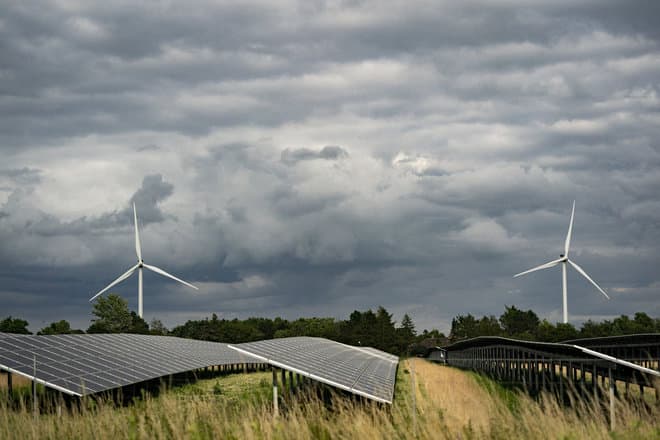
Forsikring & Pension (F&P) is one of the organizations that believes that Denmark's expansion of offshore wind is in danger due to rising prices. Inflation, rising interest rates and commodity prices, in addition to framework conditions, are contributing to this situation. And it is not the immediate expansion of Danish offshore wind until 2030 that F&P is thinking about.
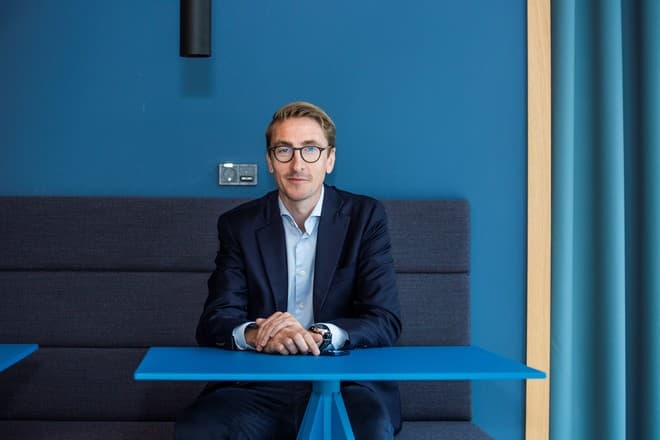
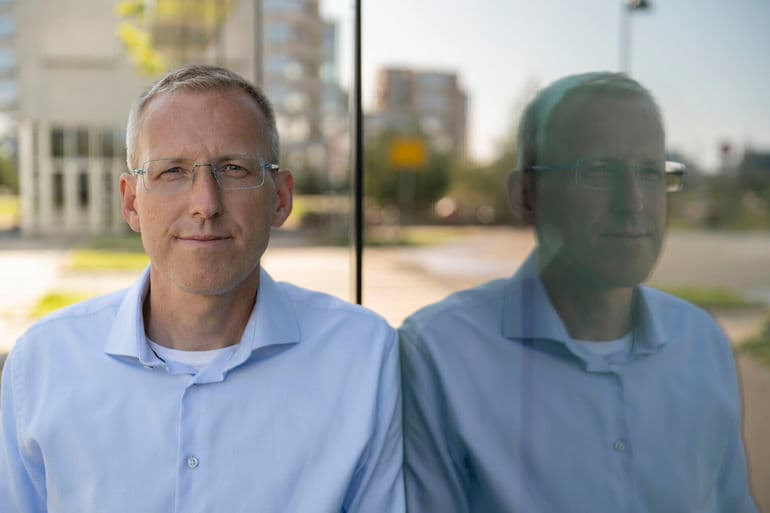
- We are very much thinking about what will happen after 2030 – and here a hydrogen pipeline would help. This would allow us to sell hydrogen at a good price to the Germans, in addition to being able to produce electricity at a reasonable price to the Danes, explains Deputy Director at F&P Tom Vile Jensen, who has sustainability as one of his areas of responsibility, among other things.
The market conditions do not seem to be getting any easier in the near future.
- I do not think we should expect the prices of steel and other raw materials to fall in the coming years, it is said.
But even if prices were to fall, contrary to expectations, more than that is needed if Danish offshore wind is to succeed, because the competition from abroad is extremely tough.
- The Chinese have government subsidies for their wind industry, and the Americans give tax deductions. The Americans have a first-mover position to get the investments because of that. We have some good relationships with offshore wind, and we have some good large neighbors who do not have those opportunities. That's why we are attractive, says Tom Vile Jensen, who, however, has a concern about the Danish framework conditions:
- The question is whether we have not stretched the envelope too far. We are in a competitive situation in Denmark for investments.
Must be a profitable business
For the pension companies that are members of F&P, one thing is clear.
- There must be a profit, otherwise it makes no sense for the pension customers. We see the world through the eyes of investment, adds Tom Vile Jensen about the necessities for obtaining a return for the pension customers.
But there are concrete proposals for what could increase the desire to invest in Danish offshore wind.
- For example, you could drop payment for the seabed and open up market conditions. That would be a sensible way to do it, says Tom Vile Jensen.
It would also mean that the state would avoid a disadvantage.
- That way, the investors would take the full risk, explains the deputy director and opens up the possibility that a return to the state would still be possible:
- You could also imagine a profit sharing with the state.
Text, graphics, images, sound, and other content on this website are protected under copyright law. DK Medier reserves all rights to the content, including the right to exploit the content for the purpose of text and data mining, cf. Section 11b of the Copyright Act and Article 4 of the DSM Directive.
Customers with IP agreements/major customer agreements may only share Danish Offshore Industry articles internally for the purpose of handling specific cases. Sharing in connection with specific cases refers to journaling, archiving, or similar uses.
Customers with a personal subscription/login may not share Danish Offshore Industry articles with individuals who do not themselves have a personal subscription to Danish Offshore Industry.
Any deviation from the above requires written consent from DK Medier.