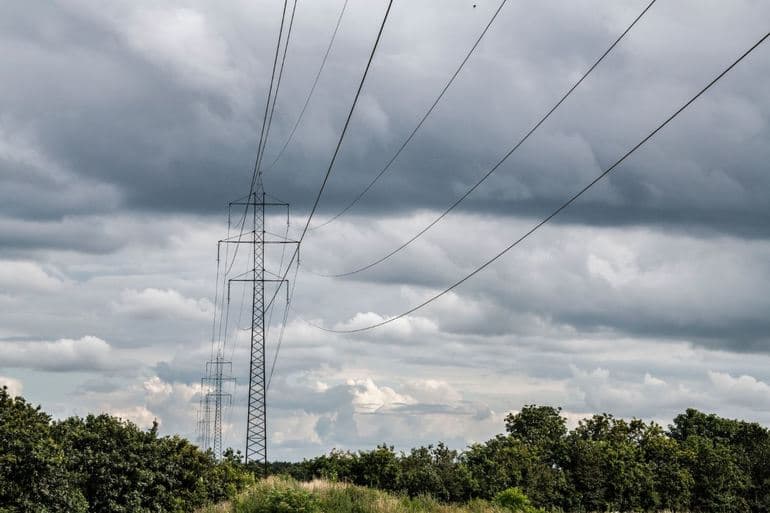
From 2026, Energinet will reduce electricity consumers' tariffs by up to 10 percent and at the same time place a cap on the tariff level until 2030. The measure is intended to give companies and other energy consumers more security for investments in electrification.
Normally, electricity tariffs are set one year at a time, but Energinet wants to create longer-term stability with the new measure. This applies not only to a reduction in 2026, but also to a three-year cap so that tariffs are not allowed to increase until 2030.
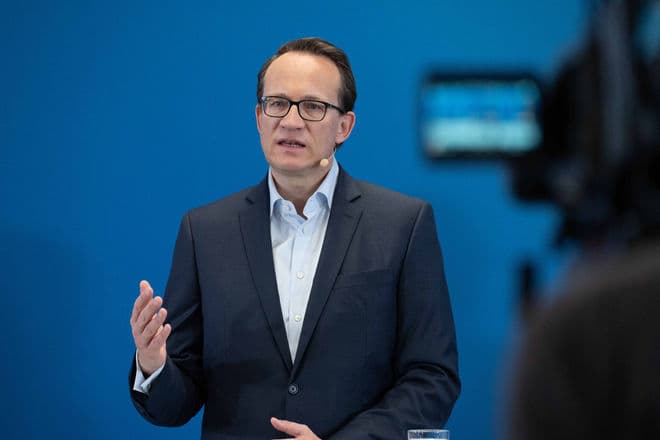
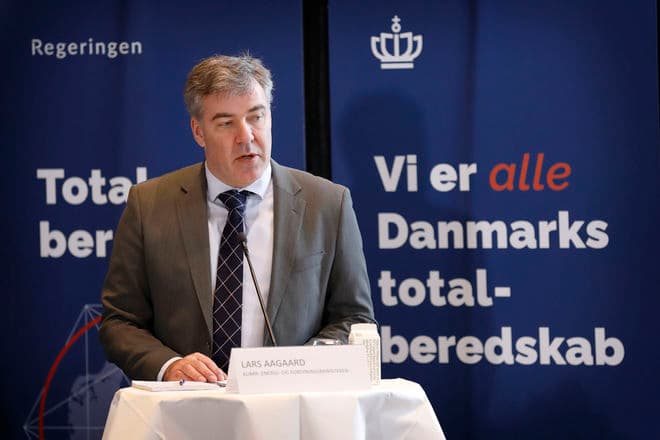
- This means that we are lowering tariffs by up to 10 percent in the first year, and they are not allowed to increase in the following three years. This ensures that, for example, companies, heating plants and other energy consumers can better foresee the future and thus gain greater security for their investments in electrification, says Søren Dupont Kristensen, Chief Operating Officer of Energinet, in a press release.
Price increases were on the way
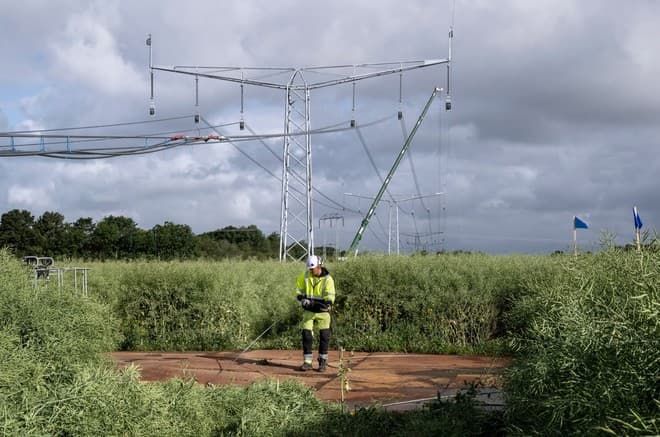
Energinet's analyses indicate that tariffs were otherwise set to increase in the coming years, due to, among other things, rising prices for cables, transformers and balancing costs in the electricity system. As a countermeasure, Energinet will use a large part of its trading income from electricity exchange with neighboring countries to keep tariffs down.
The trading income, which is normally reserved for the expansion of cross-border electricity connections, has been so high that Energinet can now also use it to ensure lower tariffs for electricity consumers.
- Energinet can contribute to creating the framework and security, but we cannot lift electrification alone. This requires that companies, investors and the energy industry also seize the opportunity and electrify now, says Søren Dupont Kristensen.
As part of the effort, Energinet will also streamline its own operations by 15 percent towards 2028. This will contribute to lower costs for both households and companies.
Danish electricity consumption is expected to grow significantly in the coming decades. Stable tariff development will support rapid electrification and ensure that the costs of operating and expanding the electricity transmission system are distributed more broadly. If consumption does not increase as expected, electricity consumers may risk a tariff increase after 2029.
Finally, Energinet also expects a minor decrease in payments for new electricity producers in 2026, both in connection fees and balancing tariffs.
The decision on the new tariffs is expected to be approved after the summer holidays by Energinet's board of directors and the Danish Electricity Supply Authority.
Text, graphics, images, sound, and other content on this website are protected under copyright law. DK Medier reserves all rights to the content, including the right to exploit the content for the purpose of text and data mining, cf. Section 11b of the Copyright Act and Article 4 of the DSM Directive.
Customers with IP agreements/major customer agreements may only share Danish Offshore Industry articles internally for the purpose of handling specific cases. Sharing in connection with specific cases refers to journaling, archiving, or similar uses.
Customers with a personal subscription/login may not share Danish Offshore Industry articles with individuals who do not themselves have a personal subscription to Danish Offshore Industry.
Any deviation from the above requires written consent from DK Medier.