The German economy is often described as a European growth engine, but the previous strong momentum has been replaced by a sharp slowdown. Europe's largest economy is in the midst of a difficult period, and in 2025 the economy is expected to stagnate. This means that there is a prospect of a third consecutive year without growth. This is according to a report from Germany's Economic Experts' Council, which was published on Wednesday, the news agencies Reuters and dpa write.
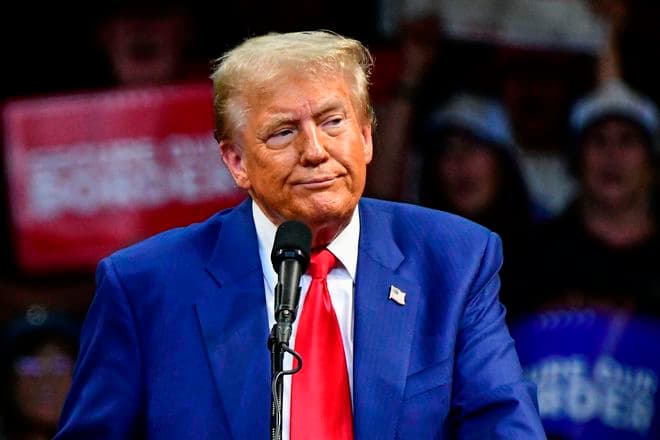
The increased US tariffs, announced by President Donald Trump on April 2, are a stumbling block for Germany. According to the expert council, the increased tariffs are the primary reason why German companies should not turn up their noses at economic growth this year.
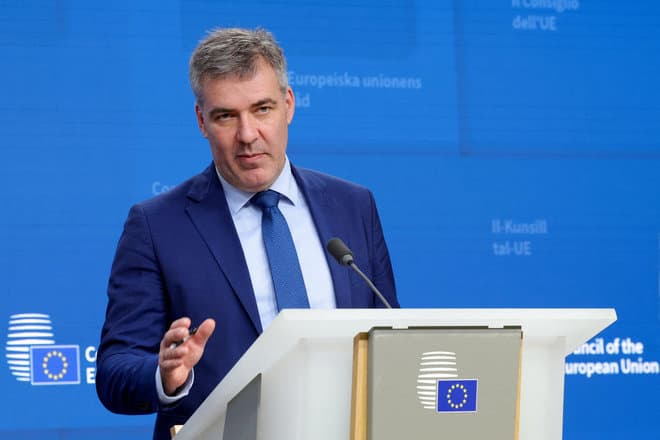
- Even if tariffs are lowered, Trump succeeds with his "deal economy", countries trade with each other, and tariffs are not so high, he has managed to create enormous unrest in the system, said Ulrike Malmendier, one of the council members, at a press conference on Wednesday.
She referred to the fact that, according to the US president, many countries have expressed a desire to make trade agreements with the US to avoid Trump's tariff hammer. So far, the US has concluded a trade agreement with the UK.
Easing the debt brake can help
While the US's increased tariffs are expected to slow down the German economy, the easing of Germany's so-called debt brake is expected to pull in the opposite direction.
- The German economy will be greatly affected by two factors in the near future: US tariff policy and the financial agreement, said Monika Schnitzer, chairwoman of Germany's Council of Economic Experts, on Wednesday, referring to the easing.
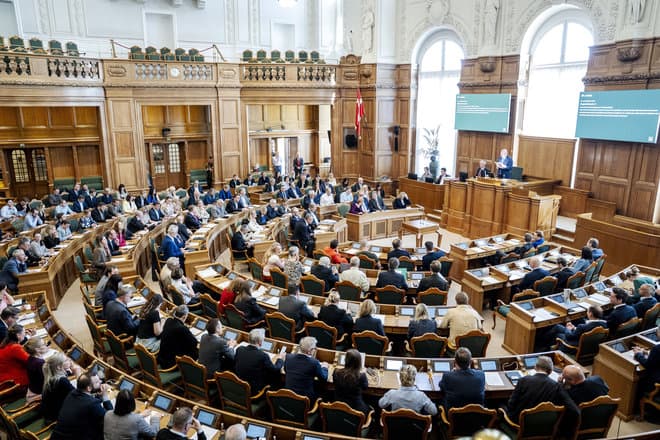
The German parliament, Bundestag, and then the Federal Council, Bundesrat, voted in April to ease the debt brake, which sets a ceiling on how much debt the German state can take on.
The easing paved the way for a package of 500 billion euros - or 3730 billion kroner - for investments, especially in infrastructure and the military. However, the positive effects of the agreement are not expected to be visible in the economic figures until 2026, Monika Schnitzler said on Wednesday.
The expert council expects economic growth of one percent in Germany next year. How the money will be spent depends on what Germany's budget law for 2025 and 2026 will contain.
In both 2023 and 2024, the German economy was hit by a recession, and if Germany's economy ends up stagnating or declining for three consecutive years, it will be the first time in the country's history that this has happened.
The increased US tariffs, which are largely to blame for the subdued expectations for the economy, are particularly affecting the German automotive industry. Cars and spare parts are subject to a 25 percent tariff when exported to the US market, while other goods from Germany and other EU countries have so far been subject to a basic tariff of 10 percent.
The US was Germany's largest trading partner in 2024. Here, the two countries traded with each other for 253 billion euros - almost 1900 billion kroner. The forecast from Germany's Council of Economic Experts is in line with a forecast from the German government, which was published in April.
/ritzau/
Text, graphics, images, sound, and other content on this website are protected under copyright law. DK Medier reserves all rights to the content, including the right to exploit the content for the purpose of text and data mining, cf. Section 11b of the Copyright Act and Article 4 of the DSM Directive.
Customers with IP agreements/major customer agreements may only share Danish Offshore Industry articles internally for the purpose of handling specific cases. Sharing in connection with specific cases refers to journaling, archiving, or similar uses.
Customers with a personal subscription/login may not share Danish Offshore Industry articles with individuals who do not themselves have a personal subscription to Danish Offshore Industry.
Any deviation from the above requires written consent from DK Medier.