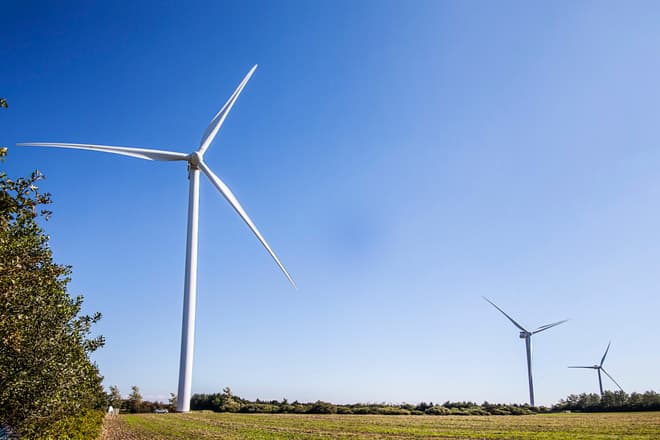
In the airports of the future, it will be crucial to be able to store electricity from solar and wind energy to reduce emissions and achieve the goal of net zero operation. Energy storage in batteries can be part of the solution.
At least that's what Copenhagen Airport thinks, as it will soon have a 900 kW / 1,200 kWh battery system from the company Xolta in operation. The battery will be one of the first larger batteries at a European airport.
- We are very pleased that we have succeeded in installing the battery at Copenhagen Airport. It is an important step on the road to more sustainable operation of the airport. Now we are going to start testing different scenarios and find the best solution for energy storage, which we can then work on on a larger scale at the airport, says Maria Skotte, Director of Sustainability at Copenhagen Airport, in a press release.
The work to pave the way for battery systems and smart energy management at the airport is part of the EU project Alight, in which Copenhagen Airport is participating as a beacon airport. The project will find answers to how electrification and different energy sources can become part of the design of the airport of the future, where both aircraft, vehicles and buildings are powered by 100 percent renewable energy.
Risks carefully examined
The risks of operating a battery at an airport are many. In the collaboration between Copenhagen Airport, the Danish Technological Institute and Hybrid Greentech, all of whom are partners in the EU project ALIGHT, it has been possible to minimize the risks that stood in the way of the installation and upcoming commissioning of the battery.
- Fire and smoke development, data leaks and legal issues are some of the risks and barriers associated with setting up a battery in an airport environment. That is why we at the Danish Technological Institute are pleased to have contributed to specifying the battery system and conducting unique safety tests that have helped make it a success at Copenhagen Airport, says Lars Overgaard, project manager, the Danish Technological Institute.
Hybrid Greentech is behind the energy management system that will be used to operate the battery at the airport. This also requires safety measures.
- The management system that Hybrid Greentech has delivered has been tested for functionality and operational reliability in our EnergyFlexLab. In this way, we have tested the control in a safe environment, which reduces the risk of inappropriateness in the airport's critical infrastructure, says Lars Overgaard.
Can better utilize green power
The smart control of the critical infrastructure is crucial in the work on the green transition of Copenhagen Airport.
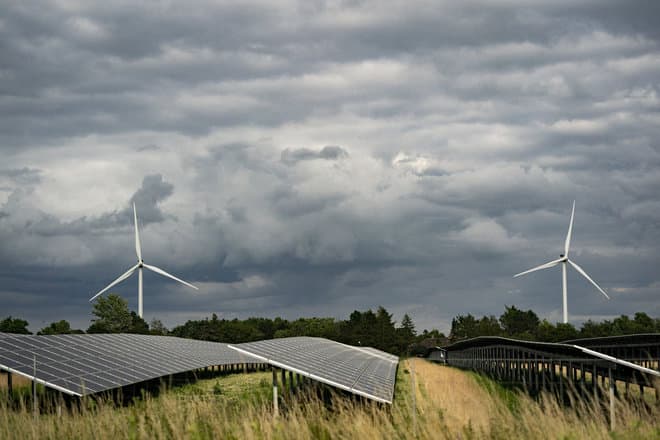
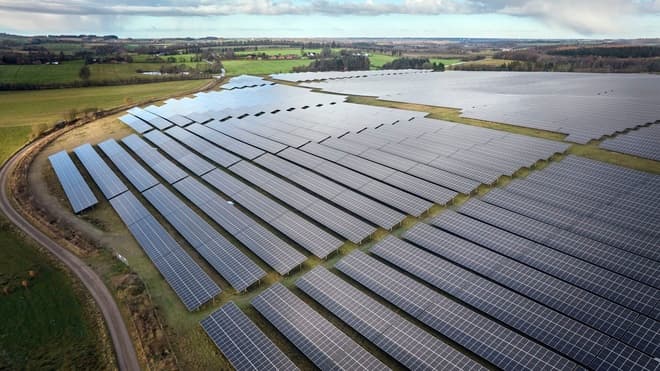
With Hybrid Greentech's control system, Copenhagen Airport will get an overview of when it is most advantageous to store energy directly from the solar energy produced at the airport's many solar cell systems, and when it makes sense to fill the battery with green power from the power grid.
- With our advanced control, the battery system at the airport will work together with charging stations and other systems. This combines the airport's own CO2 reductions with indirect contributions to the overall energy system via the so-called system services, which intervene in the very short term when the power grid experiences disruptions, says Christoffer Greisen, COO, Hybrid Greentech.
For Copenhagen Airport, it is important to have smart control that can ensure optimal use of green power via energy storage in the battery.
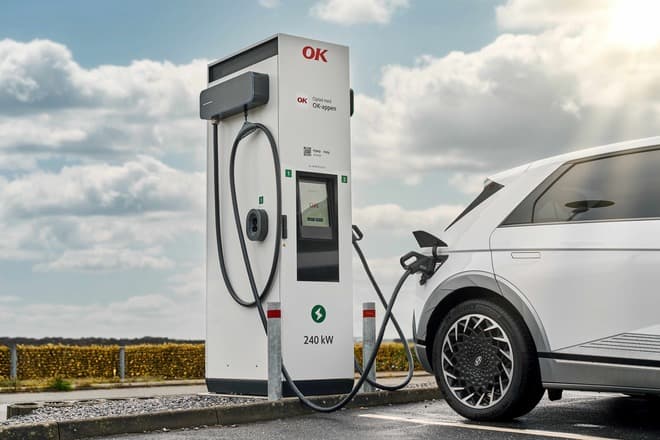
- With the 1,350 new charging stations for electric cars that Copenhagen Airport will receive over the next few years, it is crucial to get to know battery technology and build experience with the many possibilities that exist, says Maria Skotte.
The various demonstration activities and trials with the battery will run until the end of 2025, where experience and knowledge will be continuously collected and shared with other airports.
amp
Text, graphics, images, sound, and other content on this website are protected under copyright law. DK Medier reserves all rights to the content, including the right to exploit the content for the purpose of text and data mining, cf. Section 11b of the Copyright Act and Article 4 of the DSM Directive.
Customers with IP agreements/major customer agreements may only share Danish Offshore Industry articles internally for the purpose of handling specific cases. Sharing in connection with specific cases refers to journaling, archiving, or similar uses.
Customers with a personal subscription/login may not share Danish Offshore Industry articles with individuals who do not themselves have a personal subscription to Danish Offshore Industry.
Any deviation from the above requires written consent from DK Medier.