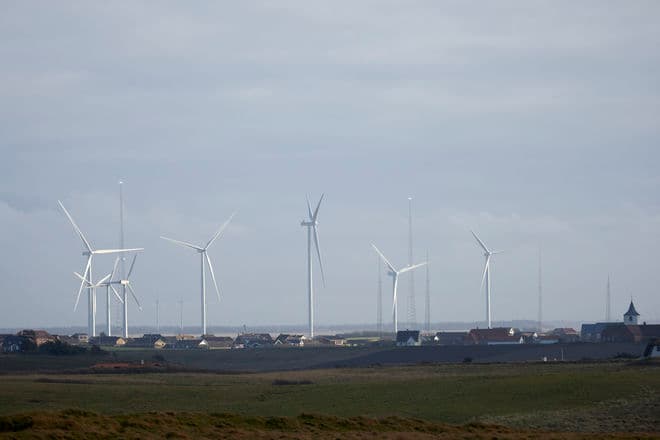
Far too many public kroner are being wasted in the green transition. And at the same time, otherwise well-intentioned municipalities are being let down in the green transition.
This is the harsh verdict from Denmark's newest think tank:
Climate & Energy Research Institute (CERI).
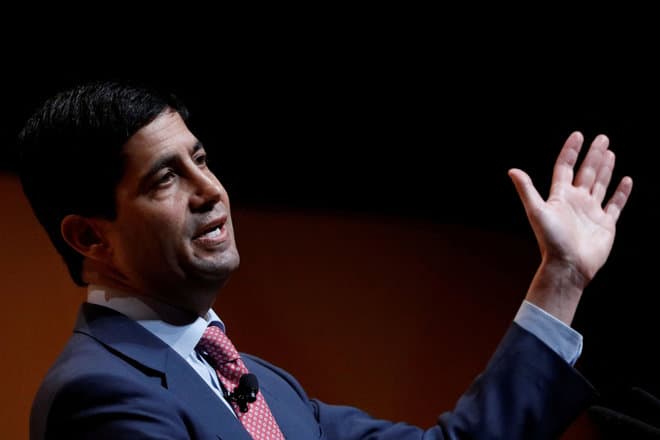
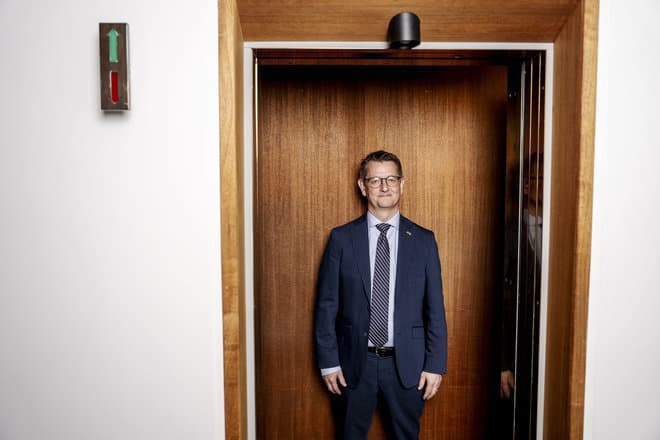
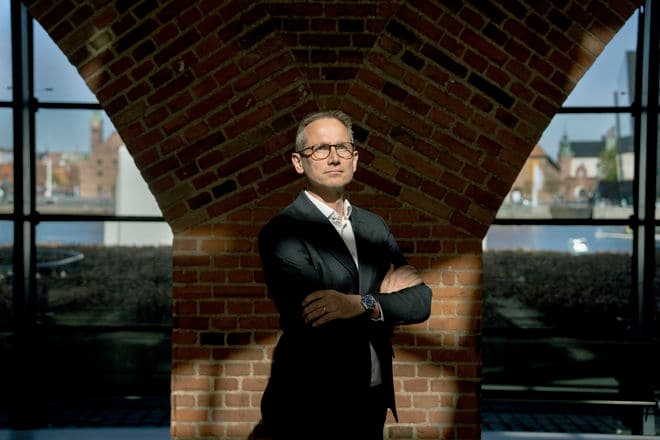
The new director of the think tank is Peter Mogensen, who has also been director of Kraka for many years. CERI is an independent non-profit organization and also stems from Kraka.
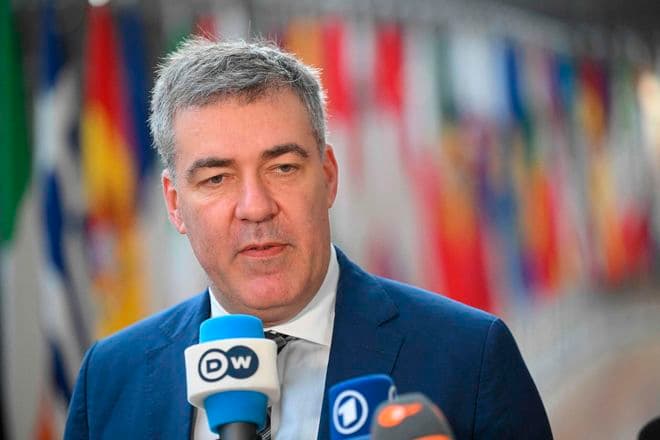
Peter Mogensen says in an interview with DK Nyt that the mission of the think tank is clear.
Better decisions must be made in the green transition than are being made right now. And this is, among other things, about there being a greater focus on what we get for all of our tax dollars when the government launches new projects.
- If you look at the successes of Christiansborg in making crucial climate and energy projects, you will be disappointed. There really aren't any, he says.
One of the problems is that Christiansborg has failed the municipalities for too long by underestimating the importance of support from the citizens.
- The municipalities have been let down terribly over the years. Christiansborg has had no regard at all for the role of local democracy in the green transition.
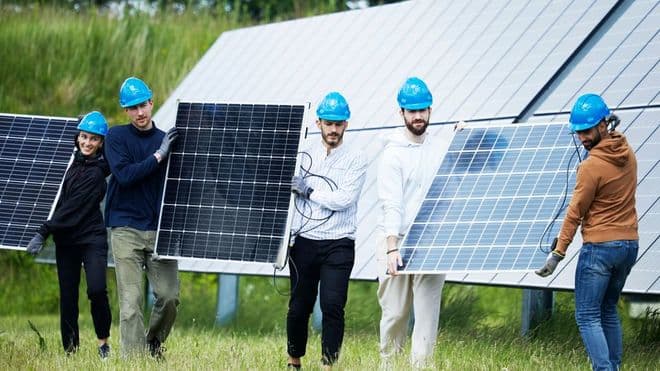
He mentions that this is partly due to the distance from Christiansborg to, for example, West Jutland, where the debate about solar parks and wind turbines has long been a hot topic, but where, according to him, development has come to a standstill, so to speak.
According to him, there is a good reason for this. Because no matter how green a mayor actually is, they will not throw themselves into a project if the citizens are against it.
According to Peter Mogensen, this has particularly applied to the compensation schemes that have been in place for citizens who have had the prospect of becoming neighbors of a large energy park, he explains.
The compensation schemes have not made any difference, even though they have been adjusted continuously, he believes.
- You are selling the municipalities for a pittance. Because you cannot expect a mayor who is actually super green to say yes to a project, and then see that they will not be mayor after the next election.
- There are actually municipalities out there that are genuinely interested in taking the lead. There are several municipalities where you really want to, but where you can't. This is because they do not have a chance to say yes to something that will throw them out of their elected seats.
Will equip decision-makers
With its technical analyses of political proposals in the climate and energy areas, the think tank will ensure that it makes socio-economic sense to invest in new projects.
The think tank also includes economics professor Michael Svarer from Aarhus University, who serves as chairman of the board.
Peter Mogensen explains that the think tank's focus on reducing waste and ensuring 'value for money' is not about whether we should invest in the green transition. We must, he emphasizes:
- The discussion is instead about whether we can get much more green transition for the money, he says.
He believes that there are two reasons why the large public climate and energy projects fail.
- Citizens want large climate projects, and then you end up making big decisions that are basically bad projects where money is wasted. It meets a political need because it seems like you are taking action.
- The second reason is that the area is insanely complicated, he says.
He refers to the fact that there are not many political rapporteurs who have "a Chinese man's chance" of understanding the basis for large projects that the government puts forward. Too often it is a mash-up of economics, project economics and engineering knowledge.
And that is where CERI sees its role in helping to educate decision-makers:
- We will continuously delve into the cases that are going on at Christiansborg, and then we will assess whether the money has been well spent, or whether it should be used differently, he says.
Facts about CERI
A number of foundations, organizations and companies support the new think tank.
These include the Danish Society for Nature Conservation, Danske Bank, Dyrenes Beskyttelse, Fonden Kraka, Kirkbi, Maj Invest, Novo Nordisk Fonden, PKA, Topsoe and Vestas.
Text, graphics, images, sound, and other content on this website are protected under copyright law. DK Medier reserves all rights to the content, including the right to exploit the content for the purpose of text and data mining, cf. Section 11b of the Copyright Act and Article 4 of the DSM Directive.
Customers with IP agreements/major customer agreements may only share Danish Offshore Industry articles internally for the purpose of handling specific cases. Sharing in connection with specific cases refers to journaling, archiving, or similar uses.
Customers with a personal subscription/login may not share Danish Offshore Industry articles with individuals who do not themselves have a personal subscription to Danish Offshore Industry.
Any deviation from the above requires written consent from DK Medier.