The EU must step up if the 27 member states are to become less dependent on countries outside the union to obtain so-called critical raw materials. This is the conclusion of the European Court of Auditors in a special report on Monday.
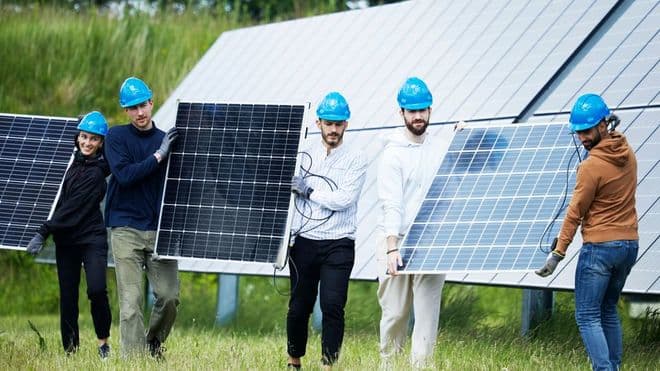
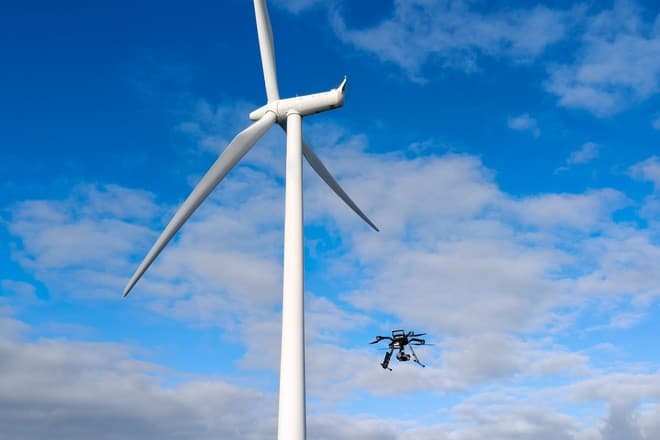
The critical raw materials are a total of 34 raw materials that the EU considers to be associated with a high supply risk. Many of them are used for renewable energy, for example wind turbines and solar panels. Some are also considered to be of particular strategic importance.
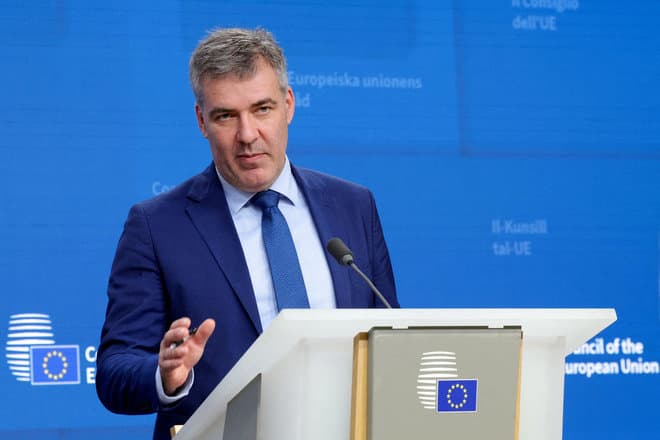
The EU wants to try to ensure that imports of raw materials come from more countries than just a few - in other words, it wants to diversify imports. But further efforts are needed here. This is the opinion of Keit Pentus-Rosimannus, the member of the Court of Auditors responsible for the audit.
- Without critical raw materials, there is no energy transition, no competitiveness and no strategic autonomy. Unfortunately, we are currently dangerously dependent on a few countries outside the EU supplying these raw materials, she says in a press release.
- It is therefore crucial that the EU intensifies its efforts and reduces its vulnerability in this area, she continues.
High dependence on non-EU countries
The special report highlights, among other things, a high dependence on countries outside the EU regarding the raw materials that are important in the transition to green energy. Here, 10 out of 26 substances are fully dependent on imports from countries outside the EU.
For example, China supplies 97 percent of the EU's magnesium, while Turkey supplies 99 percent of the EU's boron, which is used in solar panels. But it is not only imports that are a challenge.
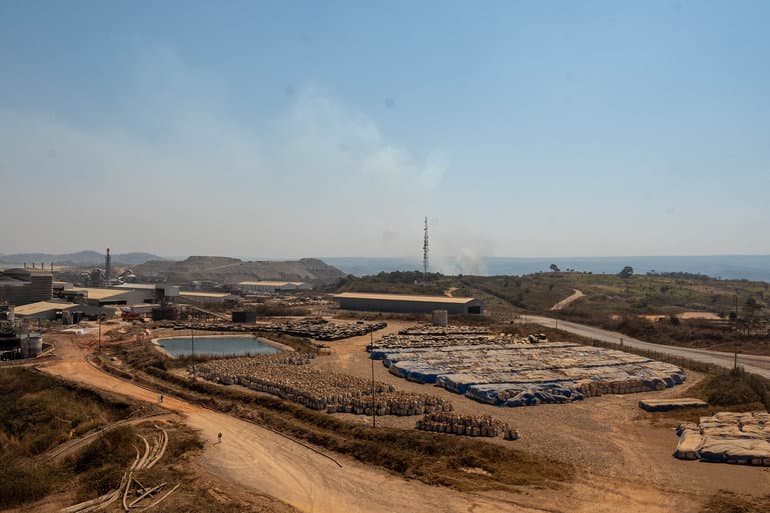
Processing in the EU is "affected by a lack of technology and a decreasing number of facilities in the EU", the auditors write.
- The Critical Raw Materials Regulation contains a high ambition that 40 percent of strategic raw materials should be processed in the EU by 2030. The EU seems to be far from reaching this level, the auditors note, who also criticise the lack of recycling of raw materials.
The European Court of Auditors is an EU institution. It is responsible for overseeing the EU's management of finances.
/ritzau/
Text, graphics, images, sound, and other content on this website are protected under copyright law. DK Medier reserves all rights to the content, including the right to exploit the content for the purpose of text and data mining, cf. Section 11b of the Copyright Act and Article 4 of the DSM Directive.
Customers with IP agreements/major customer agreements may only share Danish Offshore Industry articles internally for the purpose of handling specific cases. Sharing in connection with specific cases refers to journaling, archiving, or similar uses.
Customers with a personal subscription/login may not share Danish Offshore Industry articles with individuals who do not themselves have a personal subscription to Danish Offshore Industry.
Any deviation from the above requires written consent from DK Medier.