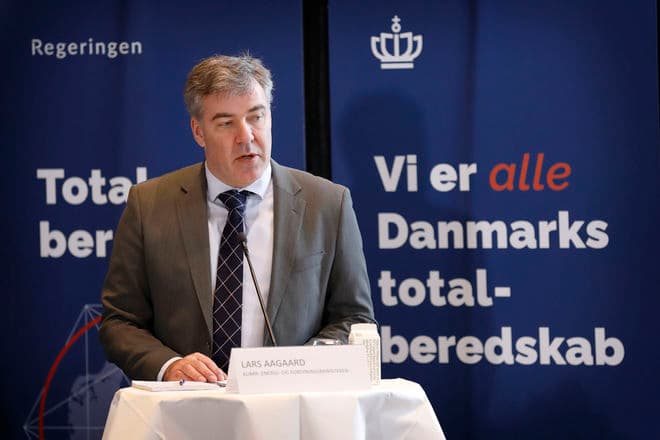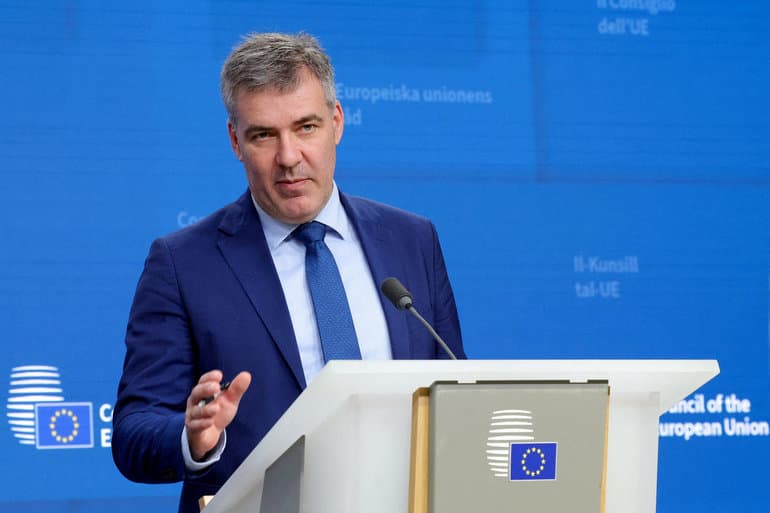
The analysis of how and whether nuclear power can play a role in the future energy system in Denmark is now underway. This is according to Minister for Climate, Energy and Utilities Lars Aagaard (M), who has had the terms of reference for the analysis prepared.
This will clarify how nuclear power can fit into the Danish energy system, regulation and legislation, as well as business opportunities and interests.
The minister is approaching the analysis with an "open mind".
- I completely agree with those who say that solar and wind energy should have a major role as what supplies us with electricity in the future. But it cannot stand alone, says Lars Aagaard.
The analysis is a significant step in Danish energy history.
Since 1985, nuclear power has been a prohibited element in Danish energy planning.
However, recent years have brought new momentum to nuclear power technology, as new and smaller reactors are emerging.
They are called SMR reactors and are considered safer and easier to integrate into an energy system like Denmark's.
Not the large power plants
Lars Aagaard's new analysis of the technology's possibilities in Denmark is exclusively about the new SMR reactors and not the large power plants that are already in place in countries like France and Sweden.
While solar cells and wind turbines deliver green electricity at low cost, the climate-neutral energy system of the future will still need a stable energy source that can deliver green electricity when the sun is not shining and the wind is not blowing.
Today, biomass plays that role to a large extent. But Lars Aagaard is open to the possibility that SMR reactors will be able to compete with biomass in the future.
- In that way, I am technology neutral. We must have green energy that does not emit CO2, and the more options, the better, says the minister.
Although the analysis has not yet been prepared, Lars Aagaard dares to say that nuclear power is not on its way to Denmark in the near future.
- If you ask me if it is the solution to tomorrow's problems, and here I mean the next five to ten years, the answer is that these reactors are not, he says.
The technology is still far too immature for that.
But if private investors are to be able to invest in the technology, a clear foundation needs to be created first. Clarity must be created about where the radioactive waste can be placed, the economy and legislation first.
- That is why this means that the government will have an analysis of what is required in terms of preparatory work and work program if it is to be possible for private investors to proceed, says Lars Aagaard.
The analysis must be completed in the second quarter of 2026.
/ritzau/
Text, graphics, images, sound, and other content on this website are protected under copyright law. DK Medier reserves all rights to the content, including the right to exploit the content for the purpose of text and data mining, cf. Section 11b of the Copyright Act and Article 4 of the DSM Directive.
Customers with IP agreements/major customer agreements may only share Danish Offshore Industry articles internally for the purpose of handling specific cases. Sharing in connection with specific cases refers to journaling, archiving, or similar uses.
Customers with a personal subscription/login may not share Danish Offshore Industry articles with individuals who do not themselves have a personal subscription to Danish Offshore Industry.
Any deviation from the above requires written consent from DK Medier.