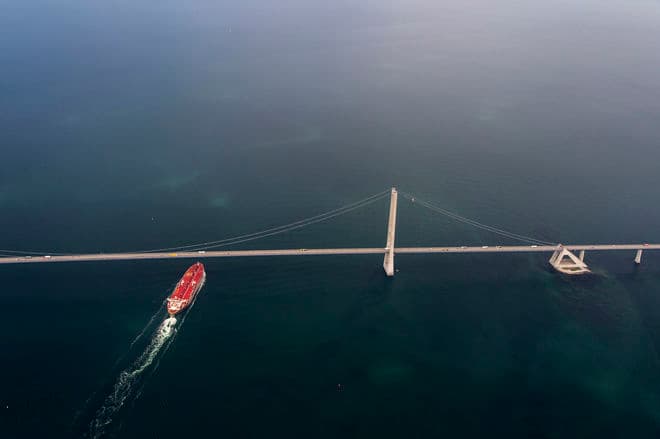
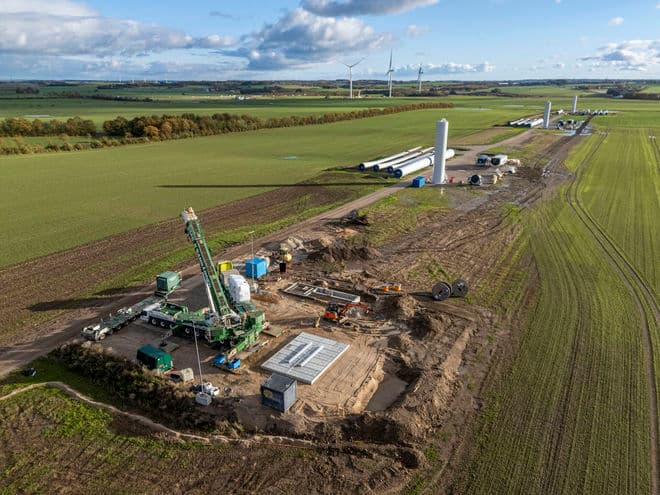
In the spring, it was decided that a new 115 km long gas pipeline will be established to supply Lolland and Falster with gas. But even though the project is called "Green Gas Lolland Falster", there is no guarantee that the gas that reaches Lolland and Falster is actually green. It is therefore far from certain that the companies that are connected to the pipeline will buy biogas certificates.
For example, the largest consumer on Lolland and Falster, Nordic Sugar, will not guarantee that it will buy biogas certificates. According to an expert, the justification for the investment is therefore hanging by a thread, writes Jyllands-Posten.
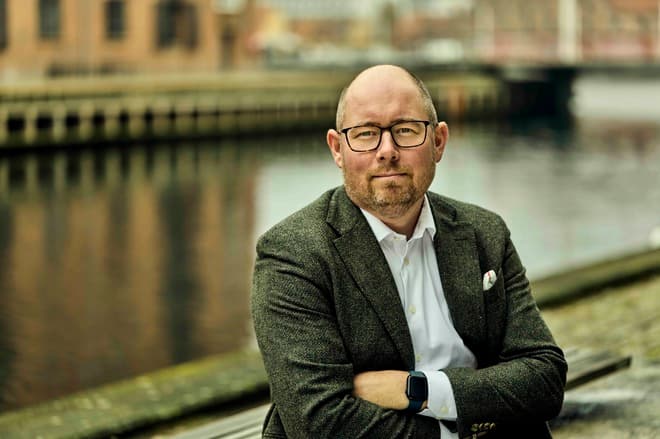
- Then the gas pipeline is a bad investment in a piece of infrastructure that promotes fossil gases and not the green transition. Then it is a completely black solution. There is nothing more to say about it, says professor of energy planning at Aalborg University, Brian Vad Mathiesen
Biogas certificates are gas's answer to the equivalent in electricity, which are called guarantees of origin or green certificates. When purchasing biogas certificates, you get a guarantee that you have purchased renewable energy.
Will help maintain sugar production
The new gas pipeline has a budget of 792 million. DKK. The project was initiated with CO2 savings in mind and to retain companies in Denmark.
- The new gas pipeline will already provide major CO2 savings upon its establishment, and in the long term it will be a completely CO2-neutral solution when we get enough biogas, said Minister for Climate, Energy and Utilities Dan Jørgensen (S) in connection with the announcement of the project.
When announcing the project, the Ministry of Climate, Energy and Utilities emphasized that the gas pipeline would, among other things, maintain Nordic Sugar's production in Denmark. Sugar production is quite energy-intensive, and according to the ministry, Nordic Sugar is Denmark's second-largest CO2 emitter with a significant 162,000 tons in 2019. This can be reduced by around a third by switching to gas.
- If sugar production in Denmark does not receive help to adapt, the assessment is that it would move to another place in the world. It would not be better for the climate, and it would be disastrous for Lolland-Falster, Dan Jørgensen has previously stated.
Can still be green gas
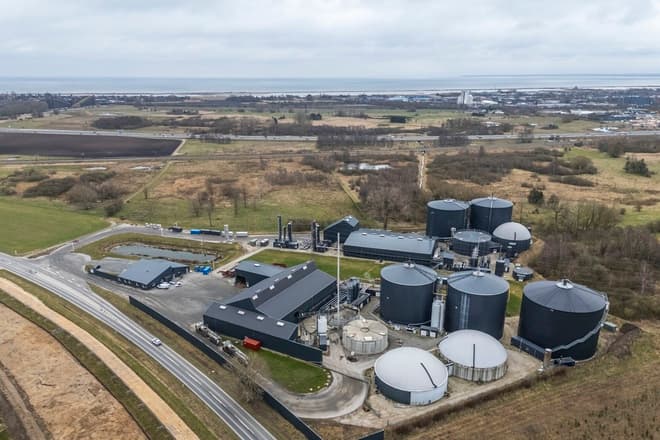
But the influential company in relation to the decision to build the gas pipeline will not guarantee to buy green gas. Despite the lack of guarantee for the purchase of green gas, the gas that ends up on Lolland can still be green. Since the amount of green gas will increase in the coming years.
In 2020, just over 20 percent of the Danish supply consisted of biogas. According to Evida, this figure is expected to increase to around 40 percent when the gas pipeline is ready in 2024. And the figure will increase further to and approx. 70 percent. in 2030.
amp
Text, graphics, images, sound, and other content on this website are protected under copyright law. DK Medier reserves all rights to the content, including the right to exploit the content for the purpose of text and data mining, cf. Section 11b of the Copyright Act and Article 4 of the DSM Directive.
Customers with IP agreements/major customer agreements may only share Danish Offshore Industry articles internally for the purpose of handling specific cases. Sharing in connection with specific cases refers to journaling, archiving, or similar uses.
Customers with a personal subscription/login may not share Danish Offshore Industry articles with individuals who do not themselves have a personal subscription to Danish Offshore Industry.
Any deviation from the above requires written consent from DK Medier.