
Both the 90 billion euro EU loan to Ukraine and the 20th package of sanctions against Russia were adopted by EU countries on Thursday, the Cypriot EU presidency announced.
- The written procedures for amending the regulation on the multiannual financial framework, which forms the basis for the 90 billion euro support loan and the 20th package of sanctions against Russia, have been concluded with a positive result. Both files were adopted unanimously, a spokesman for the Cypriot EU presidency announced.
The informal EU summit in Cyprus thus begins with a breakthrough that has been long in coming.
- The Cypriot presidency has worked tirelessly to ensure that all the elements necessary for the loan were in place. The disbursement of the loan will begin as soon as possible and will provide crucial support for Ukraine's most pressing budgetary needs. The EU remains steadfast in its support for Ukraine's sovereignty and territorial integrity, says Cyprus' Finance Minister Makis Keravnos.
Under outgoing Prime Minister Viktor Orbán, Hungary has blocked the important loan to Ukraine since the EU summit in December. The money is to be used both for the ongoing war effort against Russia and to keep Ukrainian society running. There have been reports that Ukraine will run out of money in May if the loan is not disbursed. Thursday's decision will therefore trigger relief both in Ukraine and in Brussels.
Sanctions package hits Russian oil exports
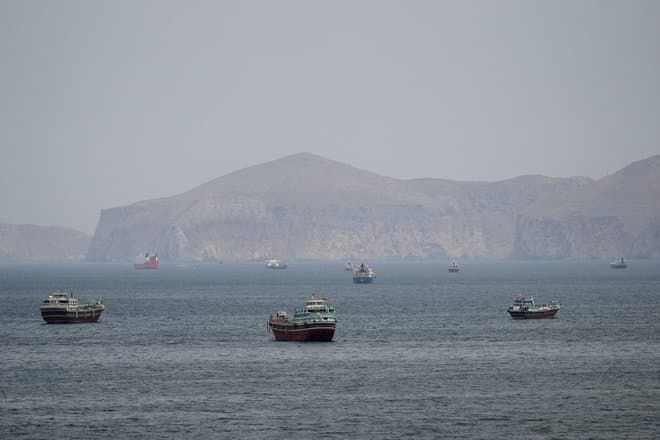
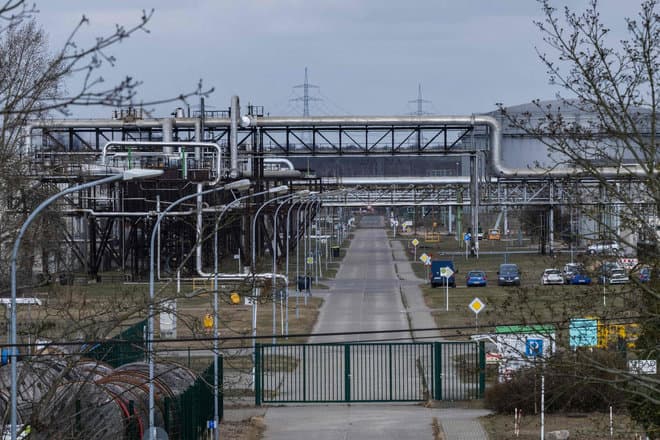
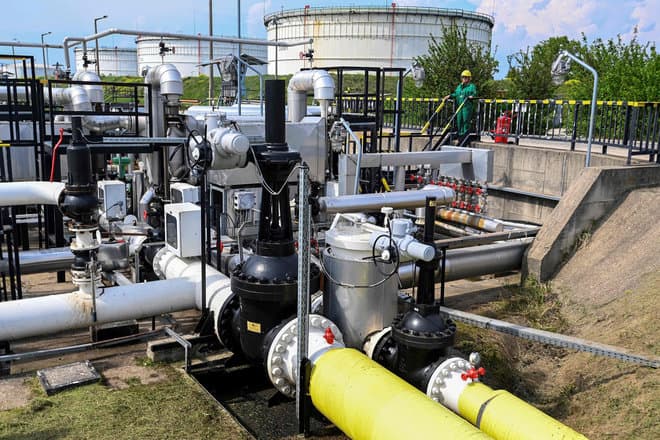
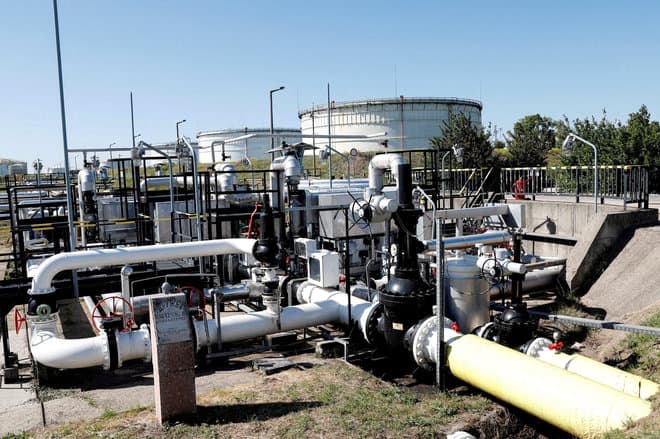
Hungary and Slovakia have also long blocked the 20th package of sanctions against Russia, which is to tighten its grip on Russian oil exports. The 20th sanctions package contains, among other things, the basis for a future ban on maritime transport of Russian oil.
According to the Cypriot presidency, the ban will be introduced in "close cooperation and after discussions" with the G7 members and other participating countries. Thus, it is still an open question whether the EU will introduce the ban itself - or wait for support from the G7.
The EU Commission has previously announced that the EU can introduce the ban without the support of the G7 countries, including the United States. However, this will not have the same effect as a ban with the United States.
In addition to the maritime ban, 60 entities have been added to the sanctions list of persons, entities and bodies "supporting Russia's military and industrial complex in its war of aggression against Ukraine".
They will be subject to stricter export restrictions on dual-use goods and technology. This means that they can be used for both civilian and military purposes. As well as restrictions on goods and technology that can contribute to the "technological improvement of Russia's defense and security sector". At the same time, 20 credit or financial institutions have been added to the sanctions list.
Finally, 46 ships have been designated as part of Russia's shadow fleet, which transports energy and thus earns money for Russia's war machine.
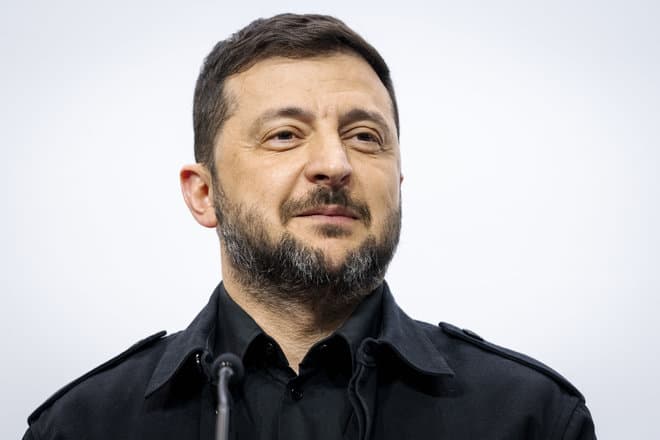
With Thursday's decisions, a brighter future may be in sight with increased EU unity on Ukraine, after the election defeat of Viktor Orbán. Ukrainian President Volodymyr Zelenskyj may get a better sense of this himself when he attends a working dinner at the summit on Thursday evening.
Ukraine may thus end up overshadowing the Middle East, high energy prices and the EU's long-term budget, which were otherwise the main topics of the informal EU summit.
/ritzau/
Text, graphics, images, sound, and other content on this website are protected under copyright law. DK Medier reserves all rights to the content, including the right to exploit the content for the purpose of text and data mining, cf. Section 11b of the Copyright Act and Article 4 of the DSM Directive.
Customers with IP agreements/major customer agreements may only share Danish Offshore Industry articles internally for the purpose of handling specific cases. Sharing in connection with specific cases refers to journaling, archiving, or similar uses.
Customers with a personal subscription/login may not share Danish Offshore Industry articles with individuals who do not themselves have a personal subscription to Danish Offshore Industry.
Any deviation from the above requires written consent from DK Medier.