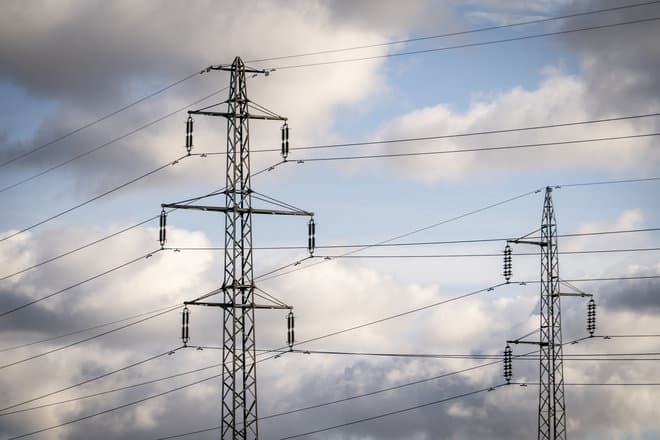


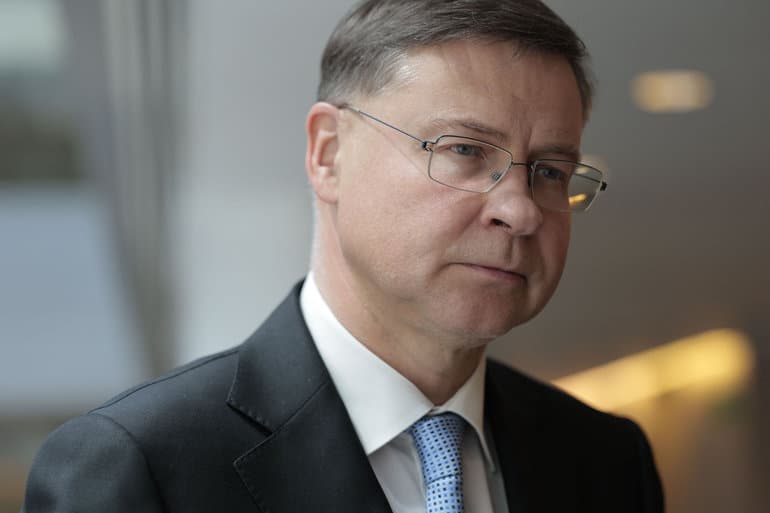
All sectors of Europe's economy are now affected by the crisis in the Middle East, which has caused energy prices to rise. That is why the European Commission is coming up with several measures to help Europe's companies get through another energy crisis. This is according to EU Commissioner for the Economy Valdis Dombrovskis.
- Even if the crisis is resolved in the short term, the consequences will be felt for some time to come. The only thing that is certain is that all sectors of our economy, from our heaviest industry to our smallest small and medium-sized enterprises, will now be confronted with higher energy prices, says Dombrovskis.
The announcement comes on Monday at the BDI Economic Forum in the German city of Hannover. The BDI Economic Forum is organised by the German industry association BDI - Bundesverband der Deutschen Industrie. The event brings together top business and industry figures and is therefore an important venue for the European Commission to make its voice heard in its attempt to reassure the business community.
Next step to be taken on Wednesday
The next step is expected to be taken on Wednesday, when the European Commission will present a comprehensive proposal in the energy field to address the high prices.
- Energy drives industry. Therefore, decision-makers at all levels must act to reduce the pressure that high energy prices create. The European Commission is playing its part in this. The EU Commission is working on proposals that will allow for lower taxation on electricity, increased productivity in the electricity grid infrastructure and a modernisation of the emissions trading system, says Valdis Dombrovskis.
According to Dombrovskis, the EU Commission is also coordinating closely with EU countries in relation to their national responses to high energy prices.
- This includes, for example, coordinating the release of oil stocks to maximise the positive effect, says Dombrovskis.
Will not release the handbrake
However, he also warns against completely releasing the economic handbrake in an attempt to ward off the negative effects of energy prices.
In the wake of the corona epidemic, countries such as France have ended up with significantly higher debt because they chose to run large deficits in order to support jobs and companies.
Therefore, this time, we must hold on again.
- Our room for manoeuvre is more limited than before. We must remember the effect of the previous shocks in our economies on public finances. And remember the higher interest rates.
- At the same time, we have an urgent need to invest in Europe's defence, says Dombrovskis.
/ritzau/
Text, graphics, images, sound, and other content on this website are protected under copyright law. DK Medier reserves all rights to the content, including the right to exploit the content for the purpose of text and data mining, cf. Section 11b of the Copyright Act and Article 4 of the DSM Directive.
Customers with IP agreements/major customer agreements may only share Danish Offshore Industry articles internally for the purpose of handling specific cases. Sharing in connection with specific cases refers to journaling, archiving, or similar uses.
Customers with a personal subscription/login may not share Danish Offshore Industry articles with individuals who do not themselves have a personal subscription to Danish Offshore Industry.
Any deviation from the above requires written consent from DK Medier.