


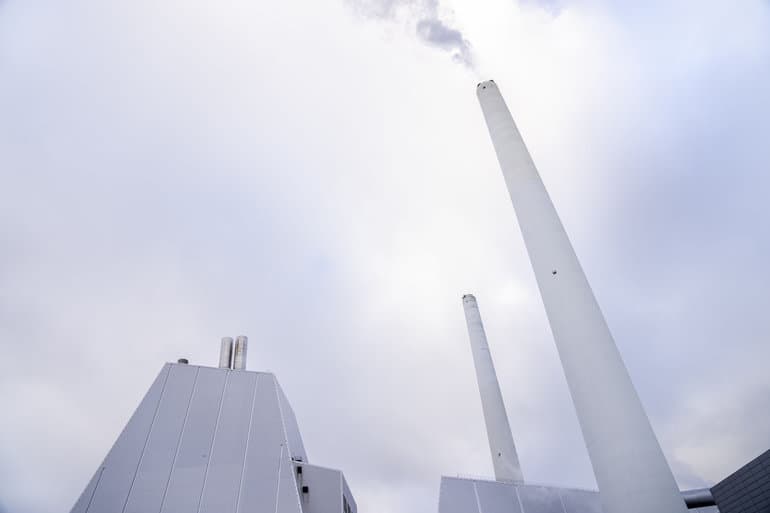
The Danish Energy Agency has granted permission for further investigation of possible underground CO2 storage at three locations in Denmark. The Energy Agency announced this in a press release.
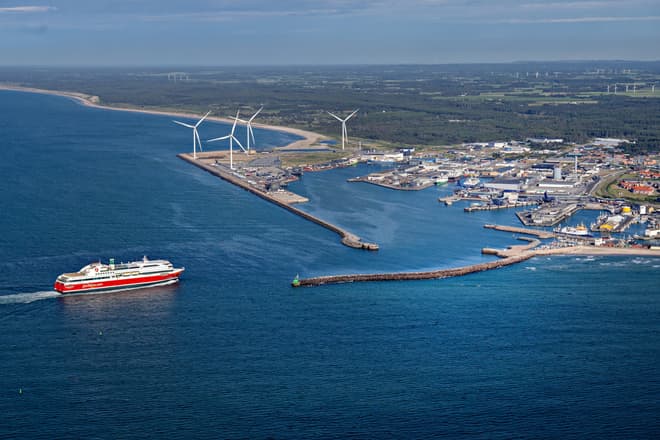
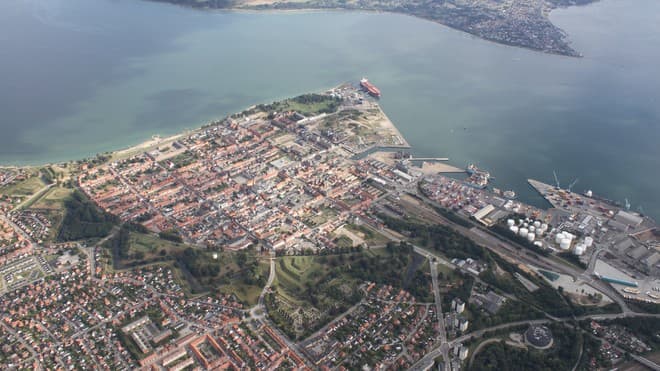
These are Gassum north of Randers, Rødby on Lolland and Havnsø in Northwest Zealand. Two additional locations were investigated - Stenlille in Southwest Zealand and Thorning in Central Denmark. But no permission has been granted to conduct further investigations.
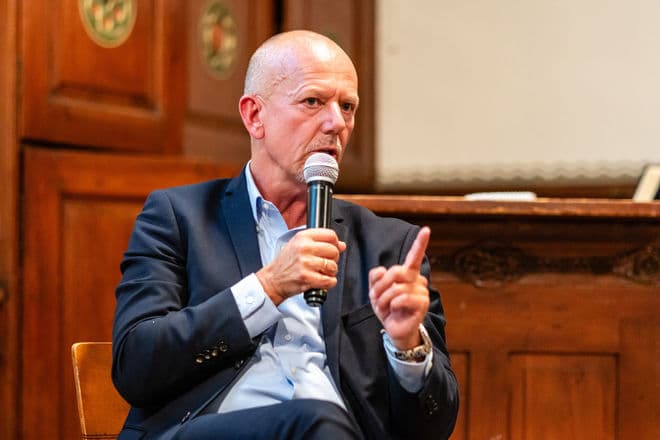
This is a historic first step towards storing CO2 underground, says the Danish Energy Agency's Director, Kristoffer Böttzauw.
- We have reviewed the projects very carefully to ensure that they are realistic and feasible to implement in terms of collecting the necessary data and covering risks, he says.
Four collaborations receive permits for investigations
The Danish Energy Agency has received nine applications from a total of ten companies for a permit to explore CO2 underground storage under the Danish mainland. The companies Wintershall Dea International GmbH and Ineos E&P A/P, CarbonCuts A/S and a collaboration between Ørsted Carbon Solutions A/S and Equinor Low Carbon Solutions Denmark have been granted permission to proceed with investigations. In addition, the Nordsøfonden is a partner in all storage licenses.
If the studies show that the subsoil is suitable for CO2 storage, and that it can be done safely and responsibly, the companies can then apply for permission to begin storage. Geus has previously demonstrated that the Danish subsoil is suitable for storing CO2 both at sea and on land.
However, far from all citizens in the areas in question are enthusiastic about the prospect of possibly pumping CO2 underground.
The dissatisfaction has been expressed at citizen meetings. A petition has also been started against the possible storage facility at Havnsø, which has been signed by over 500 people.
For example, it could be CO2 emissions from a cement factory, which are captured by a capture system before they end up in the atmosphere.
It is then cleaned and cooled down so that it becomes a liquid. The liquid is then transported to the storage site either by tanker trucks or via pipes. The liquid is then pumped at least 800 meters - often further - underground, where it is distributed in sandstone under a clay cap.
This is a well-known technology that has been in use in Norway, for example, since the 1990s.
27. June, the Danish Energy Agency will hold an online information meeting for citizens in the areas where permission has been granted for further investigations.
/ritzau/amp
Ed: 4 last paragraphs and photo added at 12.56
Text, graphics, images, sound, and other content on this website are protected under copyright law. DK Medier reserves all rights to the content, including the right to exploit the content for the purpose of text and data mining, cf. Section 11b of the Copyright Act and Article 4 of the DSM Directive.
Customers with IP agreements/major customer agreements may only share Danish Offshore Industry articles internally for the purpose of handling specific cases. Sharing in connection with specific cases refers to journaling, archiving, or similar uses.
Customers with a personal subscription/login may not share Danish Offshore Industry articles with individuals who do not themselves have a personal subscription to Danish Offshore Industry.
Any deviation from the above requires written consent from DK Medier.