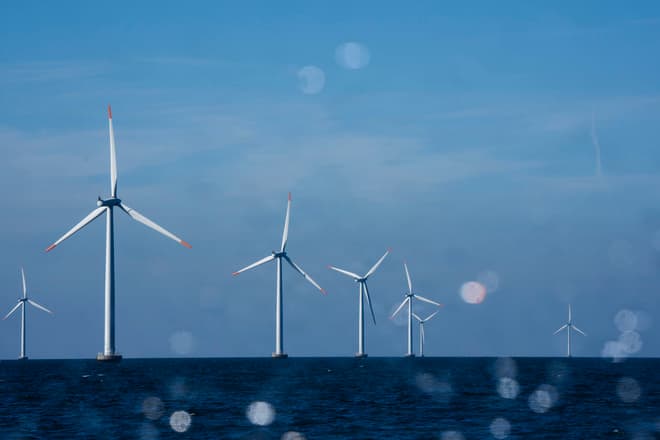
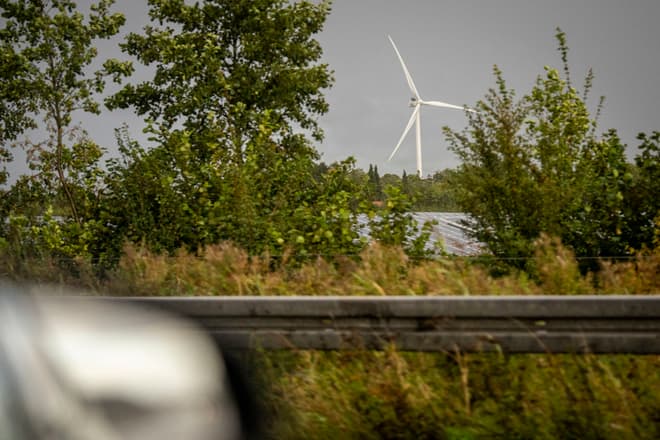
Denmark was scheduled to inaugurate the 800-1,200 MW offshore wind farm in Kattegat, Hesselø Havvindmøllepark, in 2027. However, initial investigations of the seabed in the area have now put the wind out of the project's progress.
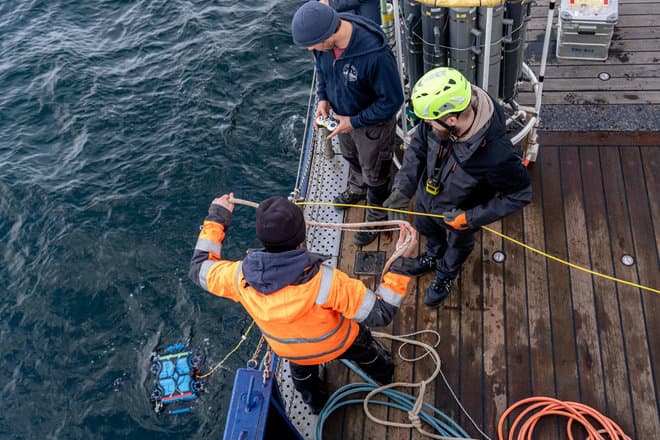
The reason is an unforeseen soft clay bottom in the upper 20-30 meters of the seabed, which creates difficult conditions for establishing the foundations of the wind turbines, the agency writes in a press release.
Therefore, the Danish Energy Agency has temporarily put the project's tender process on hold, and with that announcement also raised a big question mark as to when - and if - the next large offshore wind development in Denmark will be realized.
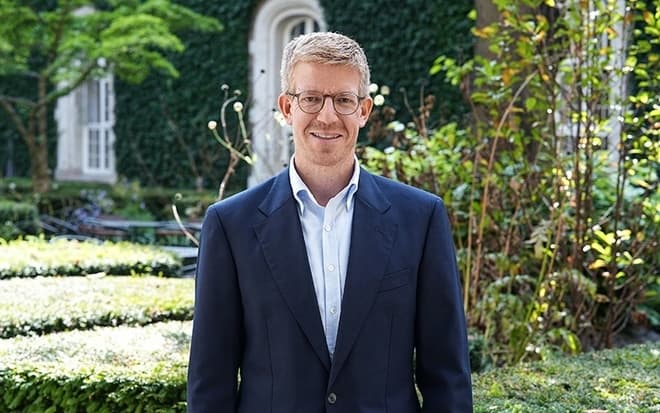
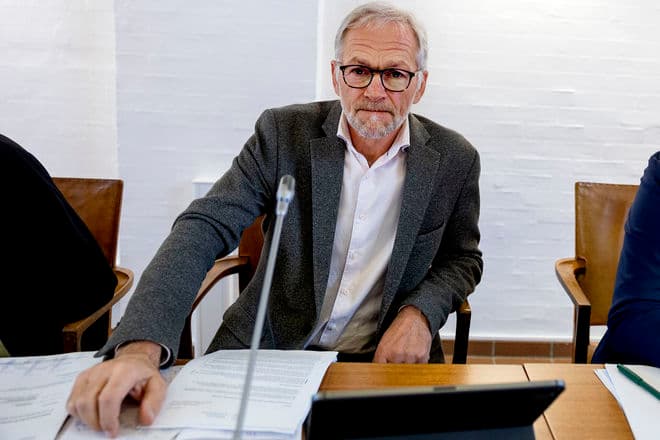
- It is very unfortunate and worrying. It is a bombshell in the climate effort if there is now a significant risk that Hesselø will fall, because we need every single green electron to achieve the extensive electrification that is necessary to meet the climate goals, says Jan Hylleberg, referring to the fact that Wind Denmark has just pointed out that there is a prospect of a shortage of green electricity in 2030.
Shortly before the Danish Energy Agency's announcement, Wind Denmark issued a warning that the renewable energy expansion is seriously lagging behind the ambitions, which creates a shortage of 27 TWh of green electricity in 2030.
Need for more than one plan A
The Danish Energy Agency's decision to pause the tender is an expression of timely care, but the announcement is nevertheless discouraging for an already lagging renewable energy expansion.
- The new situation with Hesselø only emphasizes the relevance of our warning. This leaves the government and the Danish Parliament with an even greater obligation to create a renewable energy strategy that ensures enough green electricity in 2030. A strategy that will have to play on several horses to reduce the vulnerability to risks for individual projects, as we now see with Hesselø, says Jan Hylleberg.
The need for a political roadmap for how Denmark will meet the climate goals for 2030 and 2050, respectively, is even greater now and has been high on the wish list at Wind Denmark.
Here, it is viewed with growing concern that the expansion of renewable energy has far from matched the need for green electricity in the future. And with the Danish Energy Agency's postponement of the Hesselø Offshore Wind Farm, it is clear that there is a need to consider more paths to the 2030 target.
- You should have a plan A, B and C, which should not just be kept in a drawer, but which should be procedurally moved into position on the launch pad, says Jan Hylleberg.
esl
Text, graphics, images, sound, and other content on this website are protected under copyright law. DK Medier reserves all rights to the content, including the right to exploit the content for the purpose of text and data mining, cf. Section 11b of the Copyright Act and Article 4 of the DSM Directive.
Customers with IP agreements/major customer agreements may only share Danish Offshore Industry articles internally for the purpose of handling specific cases. Sharing in connection with specific cases refers to journaling, archiving, or similar uses.
Customers with a personal subscription/login may not share Danish Offshore Industry articles with individuals who do not themselves have a personal subscription to Danish Offshore Industry.
Any deviation from the above requires written consent from DK Medier.