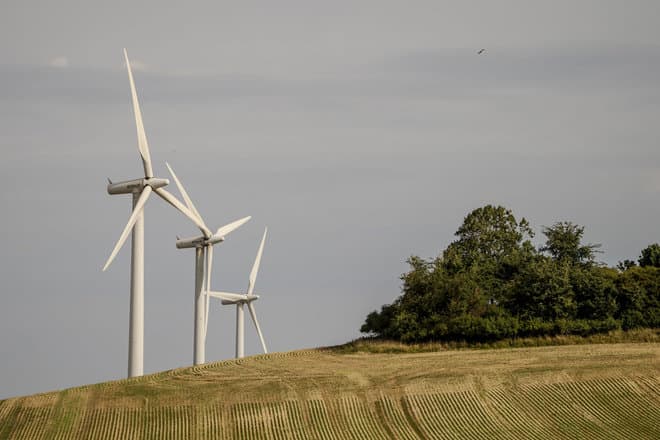
Access to critical raw materials such as cobalt, copper, nickel and lithium is crucial for the green transition and for technologies such as electric cars, wind turbines, batteries and solar cells. At the same time, global supply chains are concentrated around a few countries and are characterized by uncertainty.
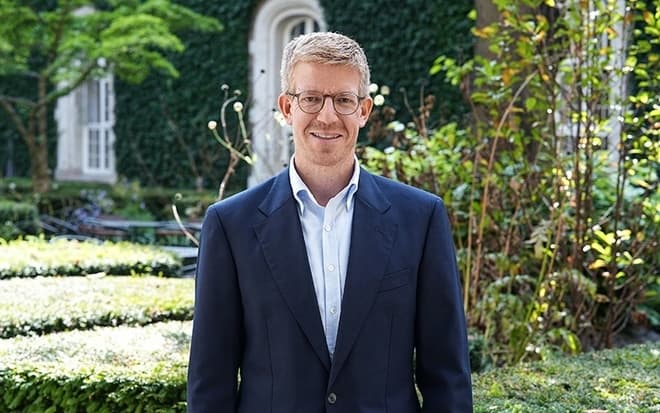
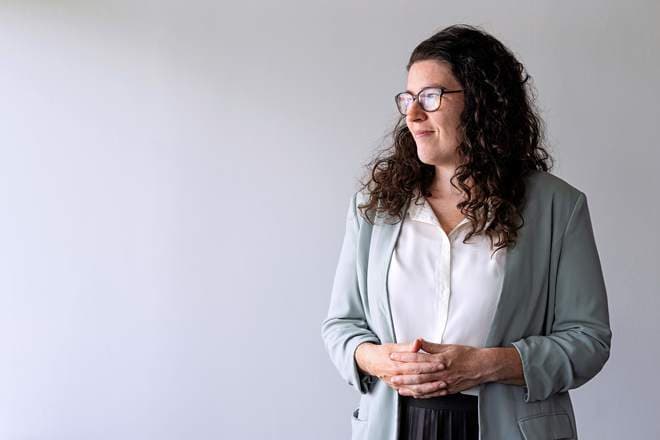
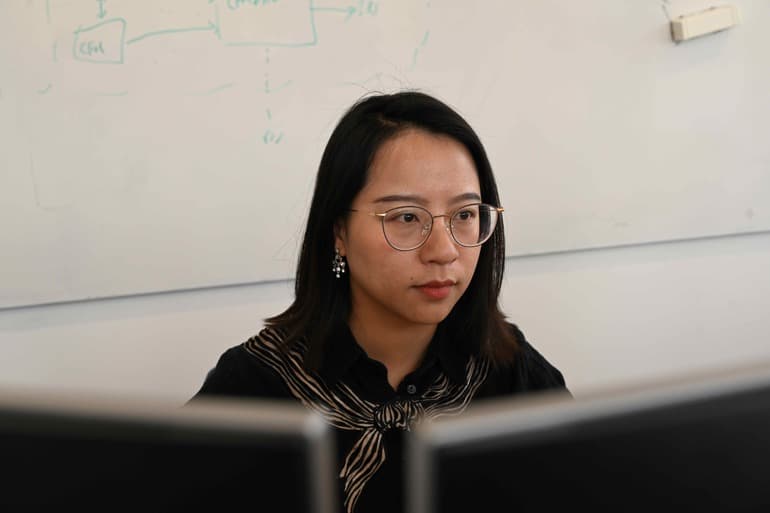
Now, Associate Professor Wu Chen from the Department of Green Technology at the University of Southern Denmark will map out how Denmark can ensure a more robust supply. The project has received support from the Villum Foundation's Young Investigator program and will provide a more precise picture of how critical raw materials move through global value chains - from extraction and processing to use and recycling. This is stated by the University of Southern Denmark in a press release.
- Our study aims to develop more robust and sustainable supply chains for critical materials. By gaining a deeper understanding of material flows and the disruptions that affect them, decision-makers and companies will be able to make decisions on a much more informed basis, which does not exist today, says Wu Chen, Associate Professor at the Department of Green Technology at SDU.
Today, the extraction of several critical raw materials is concentrated in a few countries. A large part of the world's cobalt comes from Congo, while Australia is among the largest producers of lithium. At the same time, countries without their own raw materials can gain control through investments in mining or processing, which contributes to complex and opaque value chains.
Several critical raw materials are also extracted as by-products of other metals. This applies to cobalt, which is primarily produced in connection with copper mining. As a result, supply does not depend directly on the demand for cobalt, but on the production of copper, which can make supply difficult to regulate.
The research project is based on so-called material flow analyses, where researchers map where materials are extracted, processed, used and recycled. In contrast to existing models, the project will bring together multiple materials, economic conditions and technological dependencies in one analysis to assess how, for example, conflicts and trade restrictions can affect security of supply.
- Security of supply for critical raw materials is today both a scientific challenge and a political priority. With the project, we will create a better basis for understanding where risk arises and how we can make supply chains more robust, says Wu Chen.
amp
Text, graphics, images, sound, and other content on this website are protected under copyright law. DK Medier reserves all rights to the content, including the right to exploit the content for the purpose of text and data mining, cf. Section 11b of the Copyright Act and Article 4 of the DSM Directive.
Customers with IP agreements/major customer agreements may only share Danish Offshore Industry articles internally for the purpose of handling specific cases. Sharing in connection with specific cases refers to journaling, archiving, or similar uses.
Customers with a personal subscription/login may not share Danish Offshore Industry articles with individuals who do not themselves have a personal subscription to Danish Offshore Industry.
Any deviation from the above requires written consent from DK Medier.