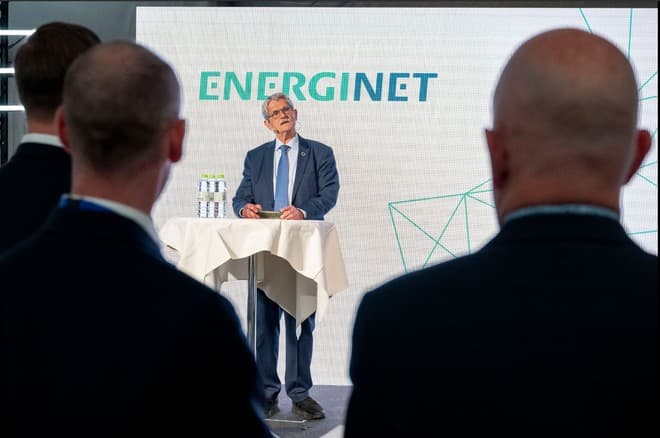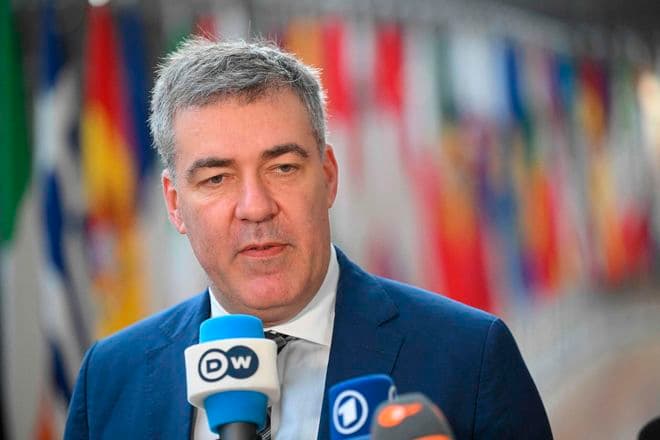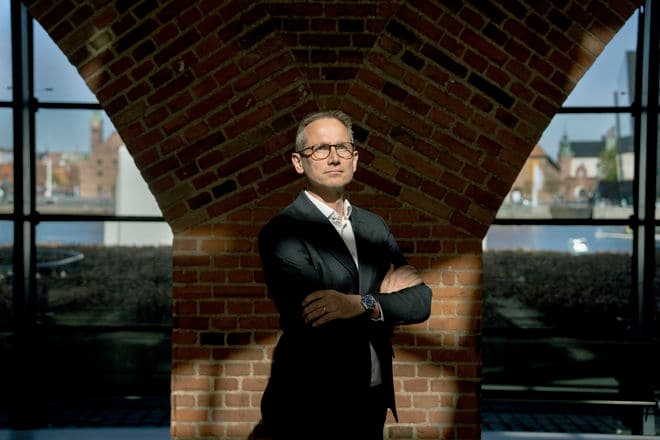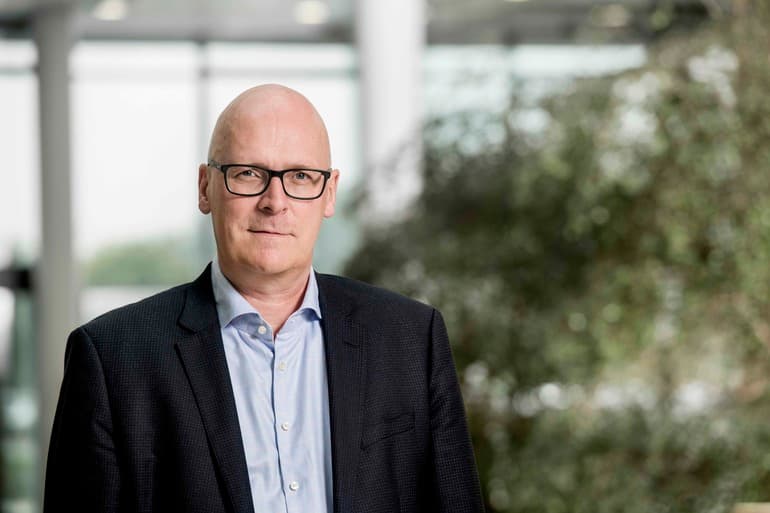
Minister of Climate, Energy and Utilities Lars Aagaard announced last week that he intended to initiate an analysis of the framework for Energinet. The analysis will assess whether legislation, task portfolio and management provide the right conditions for the continued expansion of the electricity transmission network in a situation with significantly increasing demand for electricity connections. Thomas Egebo, CEO of Energinet, welcomes this initiative.
- The most important thing for me is progress. Regardless of what changes may be decided by the owner, we must not lose momentum. Energinet is ready to use all the tools that we are provided with politically, if it can make it easier and faster to execute on the expansion of the electricity network, says Thomas Egebo in a press release.
However, he indicates that he does not believe that the company has failed. According to Energinet, the lack of expansion of the electricity grid is due to the fact that demand for new consumption capacity directly on the electricity transmission grid has skyrocketed in a very short time. It currently stands at around 33.5 GW, with almost two-thirds coming in 2025 alone. At the same time, Energinet is embarking on the largest expansion of the electricity transmission grid in Denmark's history, where the value of electricity plant projects under construction has increased from around DKK 13 billion to almost DKK 100 billion in just a few years.
The expansion is taking place in parallel with data centers, PtX and batteries accounting for around 80 percent of the growth in demand across the transmission and distribution grid. Overall, the current demand corresponds to an eightfold increase in Denmark's maximum electricity consumption today, which according to Energinet is far above previous projections.
"Build, build, build" is not the solution
In the announcement, Egebo also responds to criticism from, among others, Green Power Denmark, which believes that Energinet has not acted in time. The call from the trade organization has therefore been clear: "Build, build, build," was the call from Green Power Denmark's director, Kristian Jensen. But it is not that simple, believes the Energinet director.
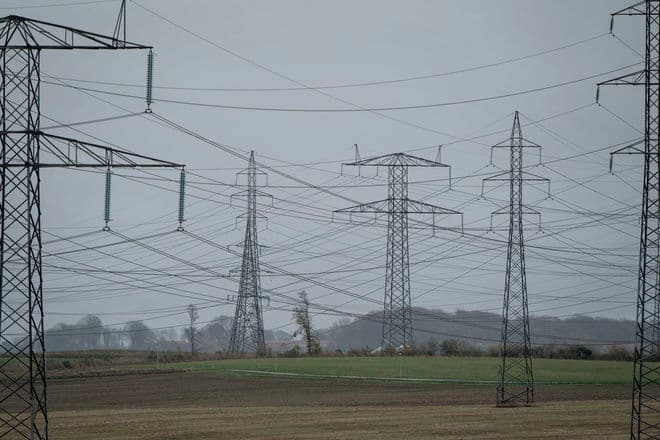
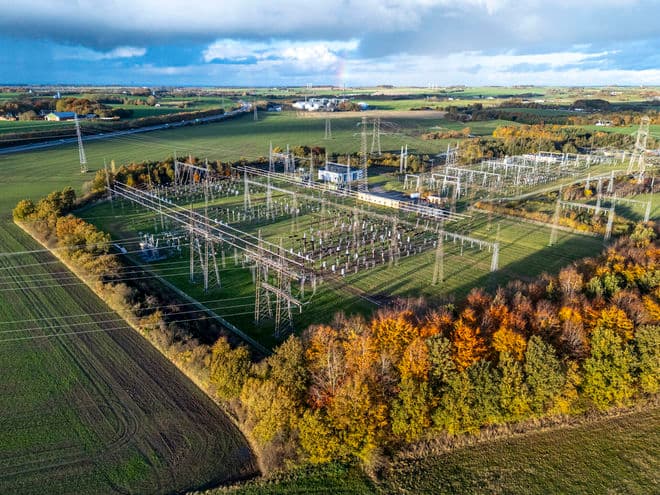
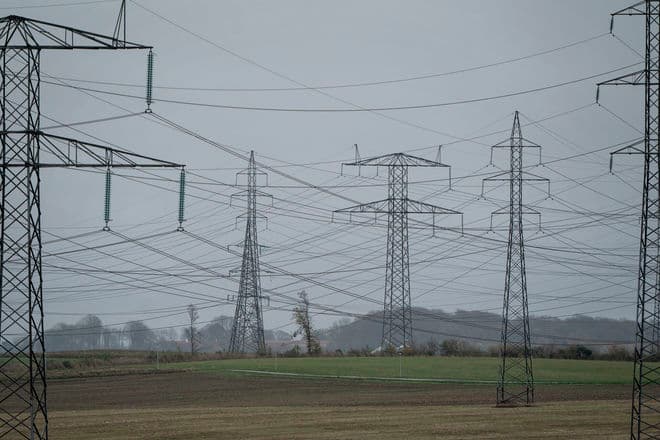
- However, you cannot just build your way out of the challenges. If the electricity grid were to be able to accommodate all the demand we see today, without restrictions, we would in practice have to eightfold the electricity transmission system that we have built up over 40 years. In several places, it will be necessary to have 3-4 rows of masts next to each other, not to mention the production expansion that must take place to ensure security of supply. Those who claim that this eightfold increase could have been foreseen and should simply be built away are either speaking against better knowledge or have not understood the scope of the challenge. It is not a technical detail – it is a choice about what and who we build the electricity grid for, and we welcome a political discussion of this, says Thomas Egebo
The Energinet director points out that the vast majority of the time it takes to expand the electricity grid is not spent in the field, but behind the desk – on official procedures, etc.
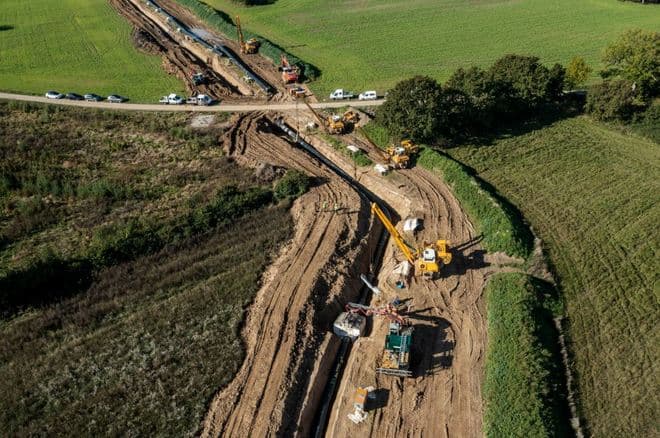
According to Energinet, the electricity grid will therefore be a scarce resource for many years to come, because planning and implementing new high-voltage connections can take up to 10 years, while large production and consumption plants can be established in a few years. In several places in the country, fully meeting demand could require more parallel overhead line connections.
According to Energinet, the current framework means that expansion of the electricity grid can only take place when there is a documented and concrete need that can be approved by the authorities. If the assumptions change, it requires new processes, which can delay the expansion. Therefore, the company sees the external analysis as an opportunity to adapt the framework to the new reality and create a basis for faster planning, regulatory processing and execution.
- We are in the thick of it – and have been for a long time. The expansion is underway, the level of activity is historically high – and we are ready to make the next decisions together with our owner if Denmark is to succeed with electrification, says Thomas Egebo.
Text, graphics, images, sound, and other content on this website are protected under copyright law. DK Medier reserves all rights to the content, including the right to exploit the content for the purpose of text and data mining, cf. Section 11b of the Copyright Act and Article 4 of the DSM Directive.
Customers with IP agreements/major customer agreements may only share Danish Offshore Industry articles internally for the purpose of handling specific cases. Sharing in connection with specific cases refers to journaling, archiving, or similar uses.
Customers with a personal subscription/login may not share Danish Offshore Industry articles with individuals who do not themselves have a personal subscription to Danish Offshore Industry.
Any deviation from the above requires written consent from DK Medier.