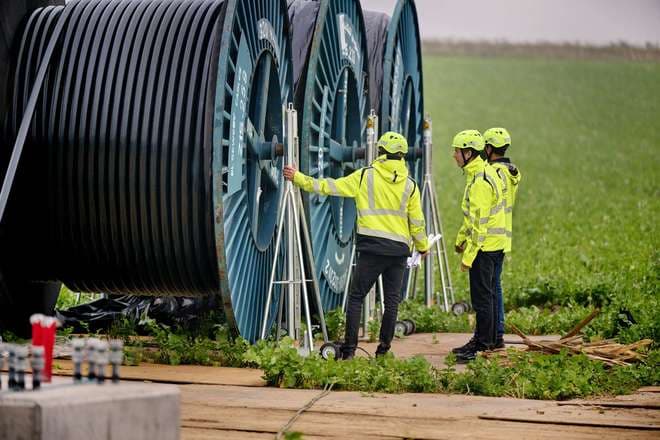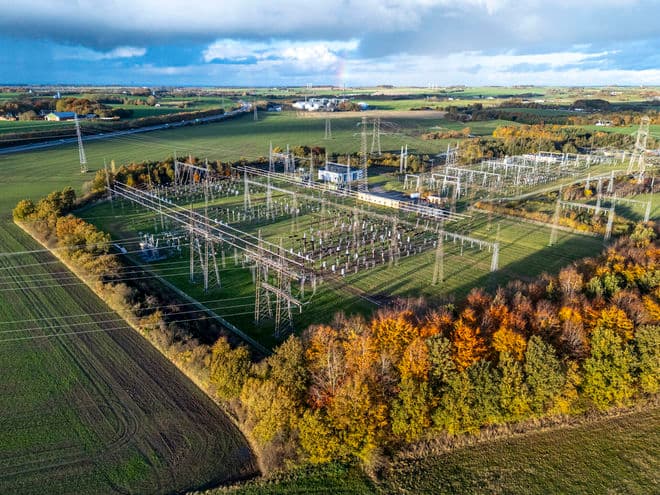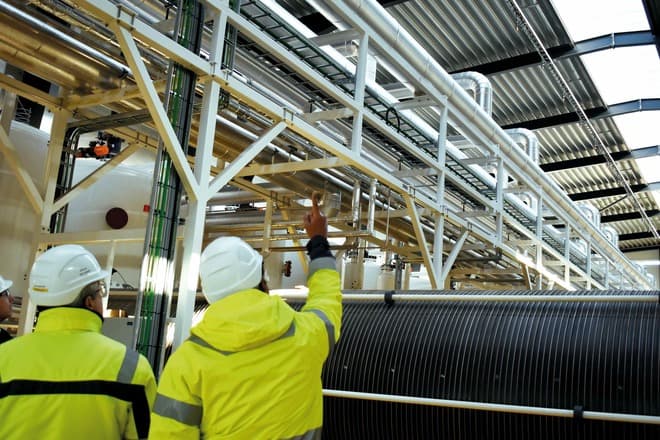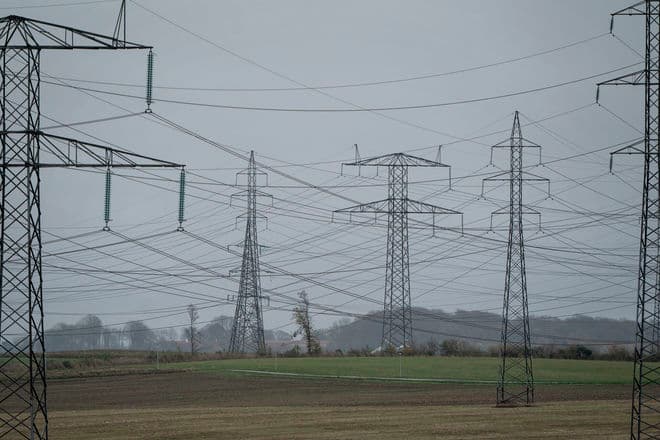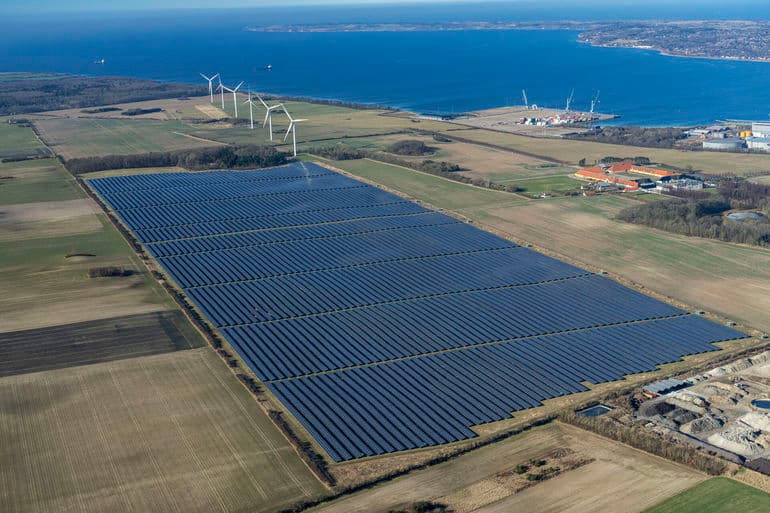
Green Power Denmark has sent emails to around 1,100 local politicians in 75 selected municipalities with wind and solar plants. The request is targeted at politicians in, among other things, technical, planning and economic committees and aims to invite dialogue about the local economic effects of green energy. The business organization states this in a press release.
According to the organization, many municipalities lack an overview of what renewable energy contributes locally, both in terms of jobs and tax revenue. At the same time, Green Power Denmark would like to point out that municipalities can in several cases demand a larger share of corporate tax from plants that are physically located in the municipality.
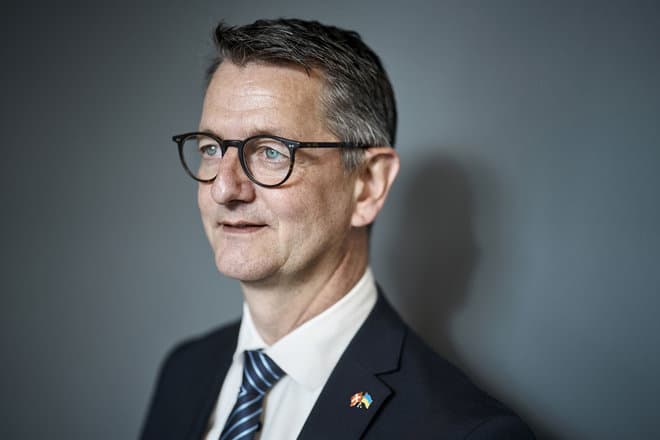
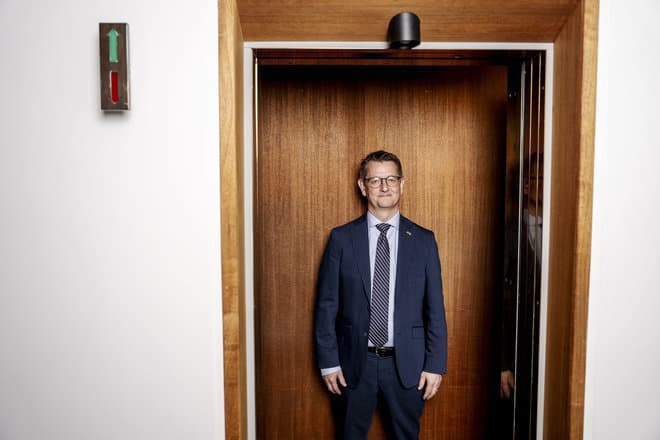
- We experience that many local politicians and their administrations lack an overview of what green energy actually contributes in terms of local benefits. In addition, we would also like to point out that many municipalities probably have the opportunity to get a fairer share of tax revenues from local green energy plants, says Thomas Aarestrup Jepsen, political director at Green Power Denmark.
Gas station model can provide local benefits
With the email, politicians will receive a fact sheet with key figures for their municipality, including the number of jobs in the energy sector, the capacity of wind turbines and solar cells, and the energy industry's contribution to the municipal treasury. In addition, they will receive an analysis that KPMG has done for Green Power Denmark, which shows that a typical solar or wind plant over 30 years contributes between 160 and 562 million. DKK in tax and local contributions.
Green Power Denmark also points to the so-called gas station model as a possible solution to the current distribution of corporate tax. Today, 85 percent. of the corporate tax to the state, while the municipal share often goes to municipalities other than the host municipality, because the distribution is based on where the companies have their head office.
- This is a relatively unknown option that we would like to raise awareness of. Municipalities with many wind and solar projects can already contact the municipalities where a large part of the tax ends up to discuss a better distribution. Or you can file a case with the Distribution Board. However, this requires that you are aware of the possibility, says Thomas Aarestrup Jepsen.
According to Green Power Denmark, with the gas station model, the host municipality can keep up to 44 percent of the municipal share of the corporate tax from a facility. The contact with municipal politicians is part of Green Power Denmark's broader work to document and communicate local effects of the expansion of wind and solar.
amp
Text, graphics, images, sound, and other content on this website are protected under copyright law. DK Medier reserves all rights to the content, including the right to exploit the content for the purpose of text and data mining, cf. Section 11b of the Copyright Act and Article 4 of the DSM Directive.
Customers with IP agreements/major customer agreements may only share Danish Offshore Industry articles internally for the purpose of handling specific cases. Sharing in connection with specific cases refers to journaling, archiving, or similar uses.
Customers with a personal subscription/login may not share Danish Offshore Industry articles with individuals who do not themselves have a personal subscription to Danish Offshore Industry.
Any deviation from the above requires written consent from DK Medier.