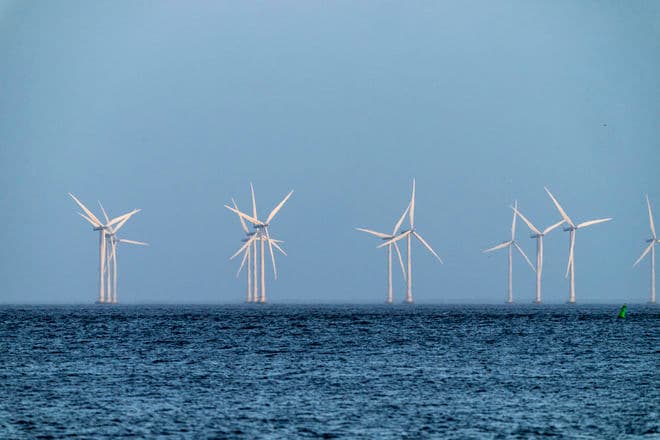

There is money in offshore wind, and in the coming time the industry is entering an exciting period, where many licenses will find their owners. Ørsted's CEO, Mads Nipper, is looking forward to the upcoming tenders, which have attracted significantly more interested buyers.
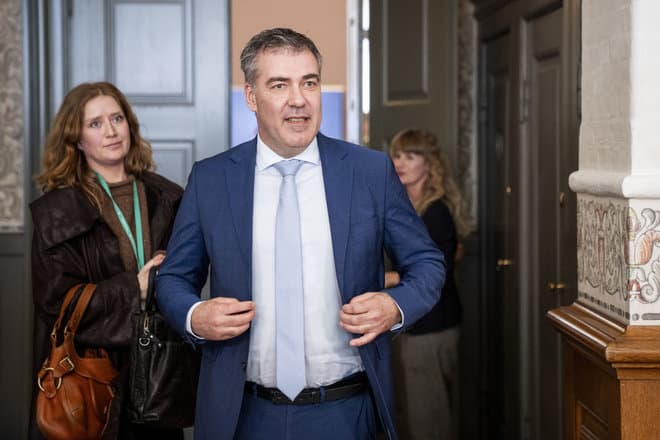
- We are at a crossroads in offshore, partly because in the next 18 months we will see more tenders for offshore wind in the market than ever before. That is good. But we also see that it has been proven that offshore wind is not only scalable and profitable. It is also a very competitive technology. This means that many people want to be part of the market, says Mads Nipper in connection with a debate at Wind Denmark's annual meeting.
It is oil companies, among others, that have opened their eyes to offshore wind and thrown themselves into the fight for offshore wind licenses. This has caused the prices of the licenses to skyrocket.
Can put pressure on the entire value chain
When the British authority The Crown Estate had licenses for 8 GW of offshore wind up for auction in February, the price was almost 7.5 billion. DKK. And that price is too high, is the concern from Mads Nipper.
- The price paid in the latest auction in the UK worries me. If those prices become an indication of the desperation of new players to enter the market, then there are only two ways out. Either consumers will have to pay the increased price, which will make the technology less competitive, or the entire value chain for the offshore industry will be put under great financial pressure that no one will like, he says.
Nipper therefore urges the authorities to think carefully before they start milking offshore wind farm developers, because too high prices could stall the promising development of the offshore wind industry.
- If authorities fall for the temptation to maximize taxpayers' earnings on sea rights by charging abnormal amounts for the rights, and those demands are even met, then we are in a complex situation that will be challenging, he says and continues:
- If we face great pressure, the boring facts are that we let that pressure pass on to our suppliers, and they will then in turn put pressure on the entire value chain. That is not good for anyone. So we need to keep the LCOE (Levelized Cost of Energy) down, and we need to be innovative also within green fuel. But we need to do it in a way that everyone can make money in the process, so that we actually have money to invest in further development.
Partnerships must create innovation
According to Mads Nipper, the increased competition is not only bad. At least if he takes off his CEO hat.
- As a CEO, I hate it because it increases competition. But as a citizen, I am happy about it because we need many developers who have the money and capacity to drive the market. So I think it is both a blessing and a curse. It is a good reminder for us at Ørsted not to rest on our laurels because we are leaders in the offshore area. Because if we continue to do more of the same, we will not remain in that position, says the Ørsted director and points out that new collaborations can help to keep innovation going.
- If an industry becomes more intensive, it is less realistic that you can do everything yourself. That is why deep strategic partnerships are more important than ever for us, both in our core business within offshore wind, but also in new technologies such as green fuels, says Mads Nipper.
Ørsted itself has in recent years entered into partnerships with various consortia on eight projects within renewable hydrogen in Denmark, Germany, the Netherlands and the UK.
Text, graphics, images, sound, and other content on this website are protected under copyright law. DK Medier reserves all rights to the content, including the right to exploit the content for the purpose of text and data mining, cf. Section 11b of the Copyright Act and Article 4 of the DSM Directive.
Customers with IP agreements/major customer agreements may only share Danish Offshore Industry articles internally for the purpose of handling specific cases. Sharing in connection with specific cases refers to journaling, archiving, or similar uses.
Customers with a personal subscription/login may not share Danish Offshore Industry articles with individuals who do not themselves have a personal subscription to Danish Offshore Industry.
Any deviation from the above requires written consent from DK Medier.