The Danish district heating plants are among the largest flexible electricity consumers in Denmark and play a central role in balancing the electricity grid. When the price of electricity falls in the middle of the day, cheap electricity can be stored as hot water in large heat storage tanks and used later. Energinet writes this in a press release.
– District heating has a built-in advantage in terms of balancing the electricity system, because our pipes and tanks can function as a kind of energy storage. We can accept the excess electricity when the solar cells and other renewable energy sources produce at high pressure. And we can stop the heating elements when a cloud blocks the sun. In this way, district heating supplements the electricity system by providing balancing and a storage option that the electricity system is not born with, says Chief Consultant Michael Søgaard Schrøder from Danish District Heating.
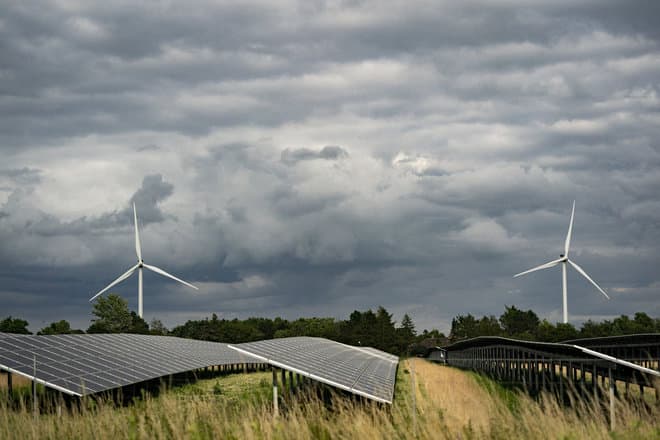
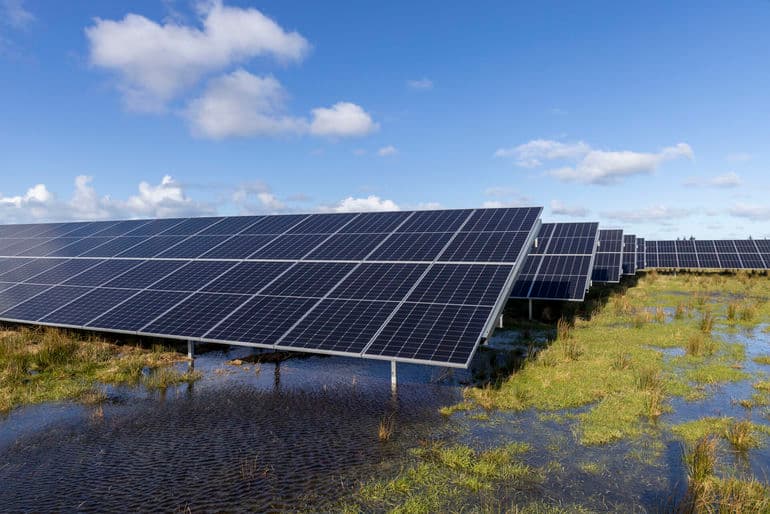
When solar cells deliver a lot of electricity in the spring, the low electricity price is used to produce hot water. At the same time, the district heating plants' electric boilers can regulate up and down if, for example, a cloud covers the sun, or if the wind turbines produce more than the system can handle.
Energinet highlights the importance of flexible consumption in line with the expansion of solar and wind energy.
– At Energinet, we welcome all large and small players, and district heating is clearly in the super league of players who are helping to push the green transition and electrification in the right direction. In recent years, there has been great interest in balancing the grid. In 2024, we had a 7-fold increase in new players in the market for balancing services compared to 2023. And we need all types of players, whether it be nurseries, swimming pools or a group of electric cars charging. Only imagination sets the limits
says area manager in Energinet's Flexibility and Balancing Kia Marie Jerichau.
Energinet spends 2-2.5 billion DKK annually on system services that ensure the balance in the electricity grid.
jel
Text, graphics, images, sound, and other content on this website are protected under copyright law. DK Medier reserves all rights to the content, including the right to exploit the content for the purpose of text and data mining, cf. Section 11b of the Copyright Act and Article 4 of the DSM Directive.
Customers with IP agreements/major customer agreements may only share Danish Offshore Industry articles internally for the purpose of handling specific cases. Sharing in connection with specific cases refers to journaling, archiving, or similar uses.
Customers with a personal subscription/login may not share Danish Offshore Industry articles with individuals who do not themselves have a personal subscription to Danish Offshore Industry.
Any deviation from the above requires written consent from DK Medier.