The future climate policy in Denmark will affect everyday life much more.
Both citizens and the country's politicians must prepare for this and communicate in the right way.
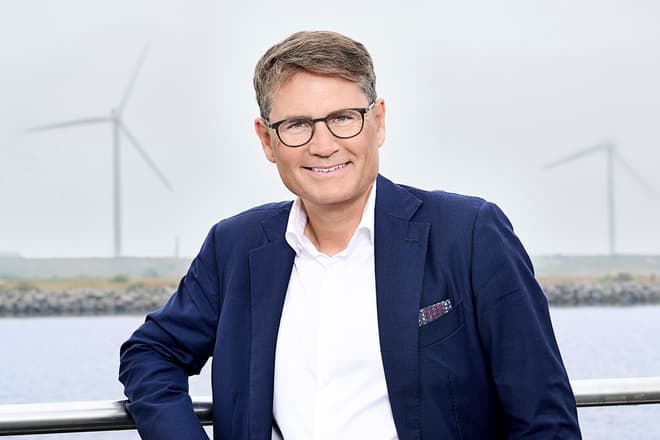
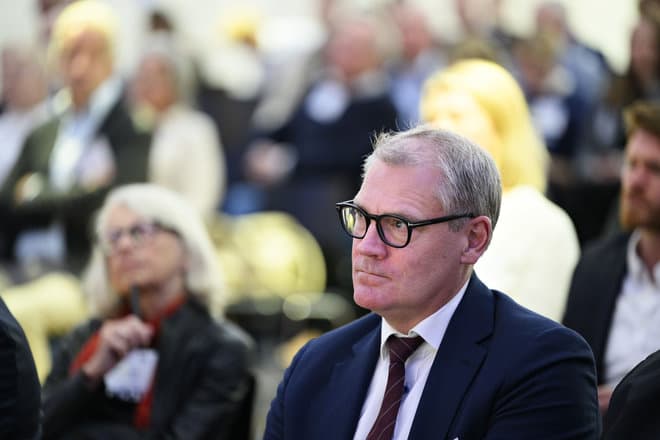
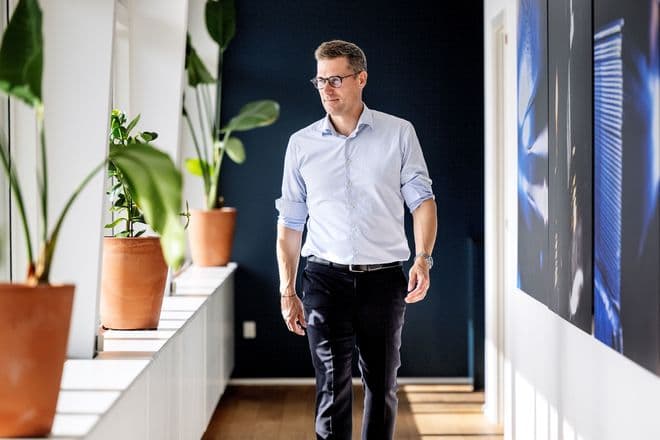
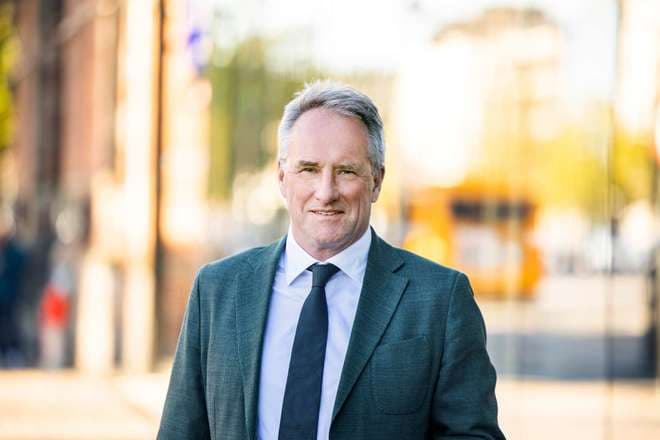
This is according to the Climate Council's representative, Peter Møllgaard, who is the rector of Copenhagen Business School.
The reason is that the Climate Council, the government's green watchdog, published a new analysis on Friday.
Here, the council looks forward to the "next milestone" in climate policy: a 2035 reduction target.
It is clear from the Climate Act from 2020, where the 2030 target of a 70 percent reduction in greenhouse gas emissions was adopted, that the law must be revised in 2025.
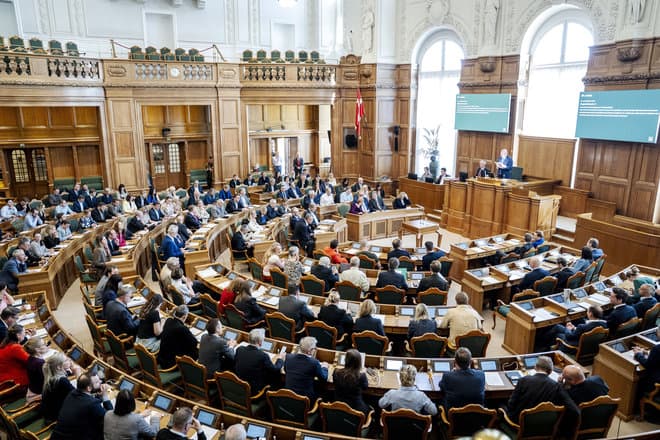
The revision includes that a 2035 target must be adopted at Christiansborg.
Should aim for 80 percent reduction
In the analysis, the Climate Council examines how Denmark can increase the reductions to 80, 85 and 90 percent, respectively, compared to 1990.
However, the Council and its representative Peter Møllgaard will not make a direct recommendation to the Folketing, as it "depends on a political balance in the end".
- However, we do provide some arguments for aiming for more than an 80 percent reduction. It is about the critical state of the climate, but also the ambition of the Climate Act that Denmark should be a pioneer country, says Peter Møllgaard.
He also refers to the fact that it already seems today that Denmark will reduce its greenhouse gas emissions by 78 percent in 2035.
On the other hand, the concept of "a fair transition" plays a large part in the council's analysis.
Because it cannot be avoided that future climate measures "will become more citizen-friendly", says Peter Møllgaard.
- We have now reached approximately 50 percent reductions compared to 1990 - so we are halfway there, you could say. But we have made many of the reductions that are not particularly citizen-friendly, with a few exceptions. A lot has happened far away.
- Now it is starting to move closer to the citizens, and therefore it is also more important that politicians consider what we call a fair transition. That it is perceived as fair by different groups. It is across geography, generations and income levels, he says.
Peter Møllgaard mentions as an example that it can have an impact on citizens where gas storage is located if the use of the climate technology CCS, capture and storage of CO2, increases.
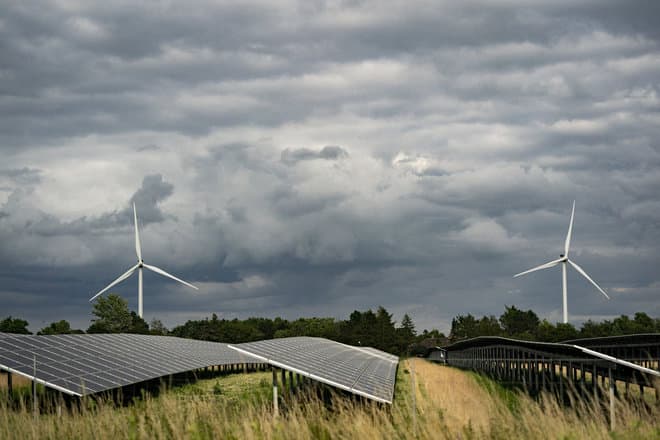
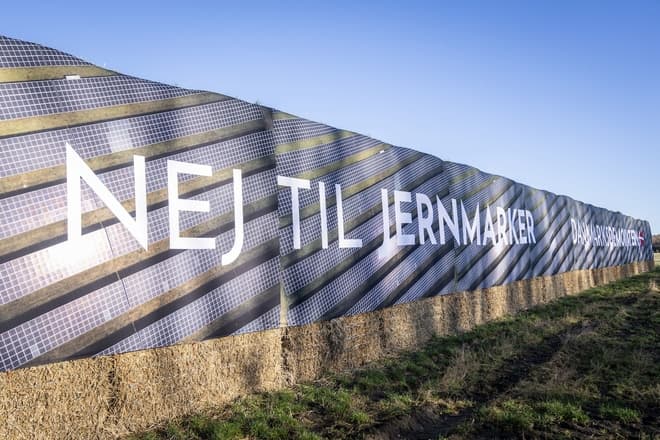
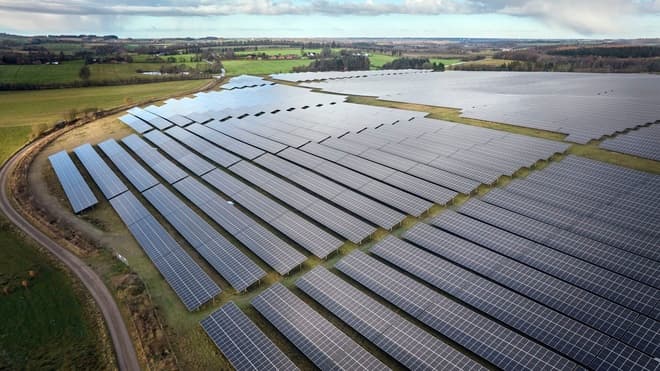
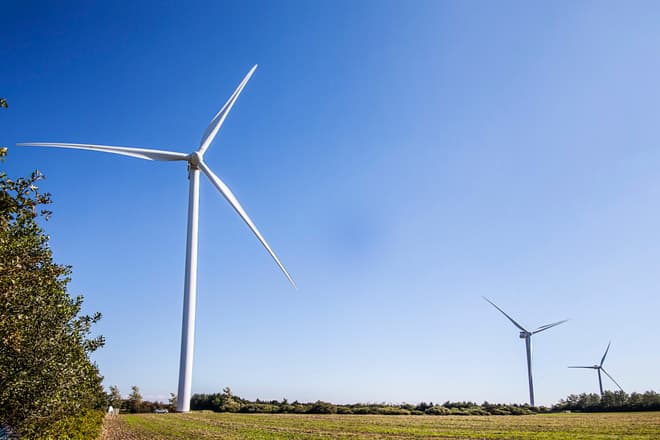
The location of solar cells and wind turbines as well as changes in the agricultural industry and nature are also mentioned as examples.
Compensation for vulnerable citizens
It is therefore important that politicians, in addition to climate measures, consider how citizens who feel vulnerable can possibly be compensated, and how this is communicated to citizens, it says.
In the analysis, the Climate Council also points to places where the next reductions can be found, depending on which reduction target is chosen.
This includes increased removal of agricultural land and conversion of livestock production in agriculture.
The government has not yet come up with its proposal for a Danish 2035 climate target.
/ritzau/
Text, graphics, images, sound, and other content on this website are protected under copyright law. DK Medier reserves all rights to the content, including the right to exploit the content for the purpose of text and data mining, cf. Section 11b of the Copyright Act and Article 4 of the DSM Directive.
Customers with IP agreements/major customer agreements may only share Danish Offshore Industry articles internally for the purpose of handling specific cases. Sharing in connection with specific cases refers to journaling, archiving, or similar uses.
Customers with a personal subscription/login may not share Danish Offshore Industry articles with individuals who do not themselves have a personal subscription to Danish Offshore Industry.
Any deviation from the above requires written consent from DK Medier.