The EU must be less dependent on critical raw materials from China. This is one of the central goals of a proposal that the EU Commission is expected to present on Tuesday.
The proposal comes as the US and the EU's competition with China is increasing, and there are concerns about whether China will help Russia with military equipment or try to invade Taiwan itself. The uncertainty increases the need for action, says Peter Thagesen, Head of Global Trade and Investments at the Confederation of Danish Industry.
- The naive belief that globalization will solve all problems has been hit hard. We will have to look at how robust our value chains are in Europe. And how dependent we are on countries like China, says Peter Thagesen.
When it comes to rare earths, graphite, and tungsten, among other things, China is the main supplier. In fact, China is the leading producer of more than half of the world's monopolized raw materials, according to a calculation from DI.
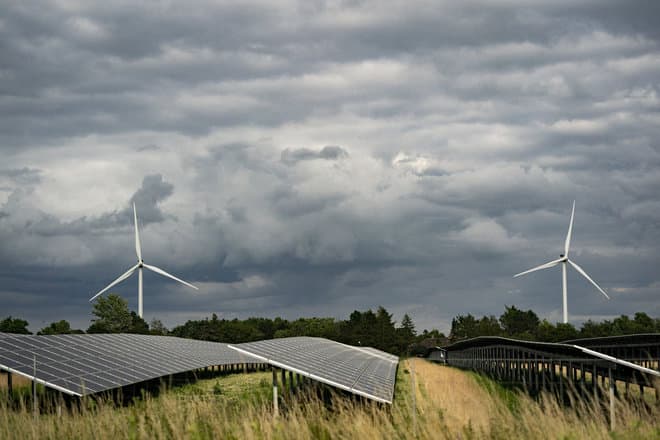
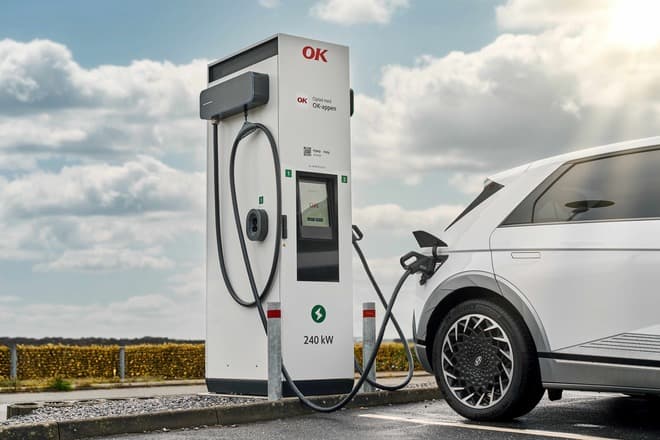
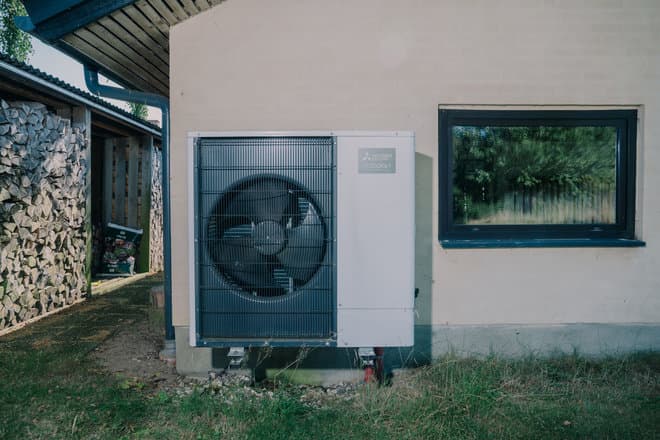
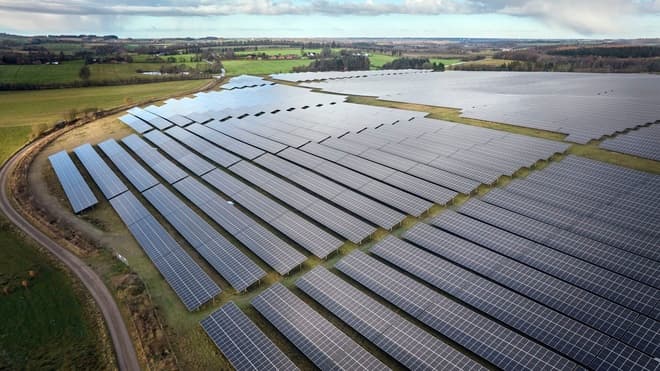
The critical raw materials are used in important products such as pharmaceuticals, electronics and solar cells. Therefore, according to DI, it is worrying that production primarily takes place in three countries, including China.
- In relation to rare earths, China has almost a de facto monopoly. The rare earths are mined in several different places, but processing takes place largely only in China. We have to decide with ourselves whether we want to continue in this way, says Peter Thagesen.
Will spread the risk
The EU Commission is expected to propose, among other things, that raw materials be secured from multiple sources through trade agreements and strategic partnerships. This could spread the risk by securing supplies from more countries than China. But the most controversial point in the strategy will probably be investment in more raw material extraction, processing and recycling in the EU.
This will require, among other things, easier access to permits, believes DI. But also a greater understanding that the environment in some cases must bear part of the price if politicians go down that path, says Peter Thagesen.
- The political winds are blowing in a new direction in relation to security of supply, but we have to see how far the political will goes. Because there are also dilemmas in that. If you want to extract rare earths in Europe, it pollutes a lot. Are we ready for that? Otherwise, do we think it is convenient that it takes place in China? These are some of the things we must decide on, says Peter Thagesen.
In any case, he expects that it will take years before permits can be granted, investments made and extraction and processing ensured in the EU. Thus, the EU will probably continue to be deeply dependent on China in the coming years.
/ritzau/
Text, graphics, images, sound, and other content on this website are protected under copyright law. DK Medier reserves all rights to the content, including the right to exploit the content for the purpose of text and data mining, cf. Section 11b of the Copyright Act and Article 4 of the DSM Directive.
Customers with IP agreements/major customer agreements may only share Danish Offshore Industry articles internally for the purpose of handling specific cases. Sharing in connection with specific cases refers to journaling, archiving, or similar uses.
Customers with a personal subscription/login may not share Danish Offshore Industry articles with individuals who do not themselves have a personal subscription to Danish Offshore Industry.
Any deviation from the above requires written consent from DK Medier.