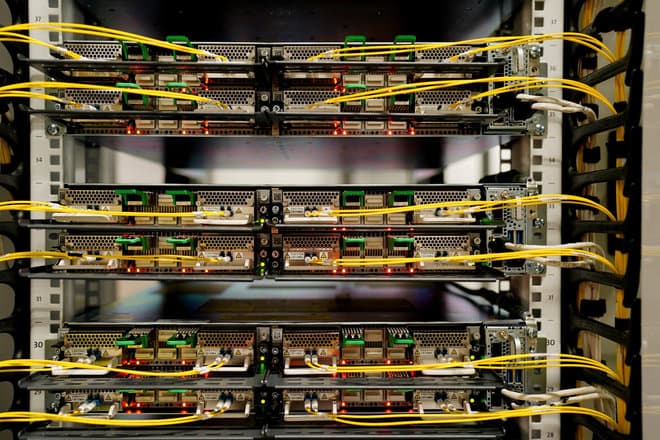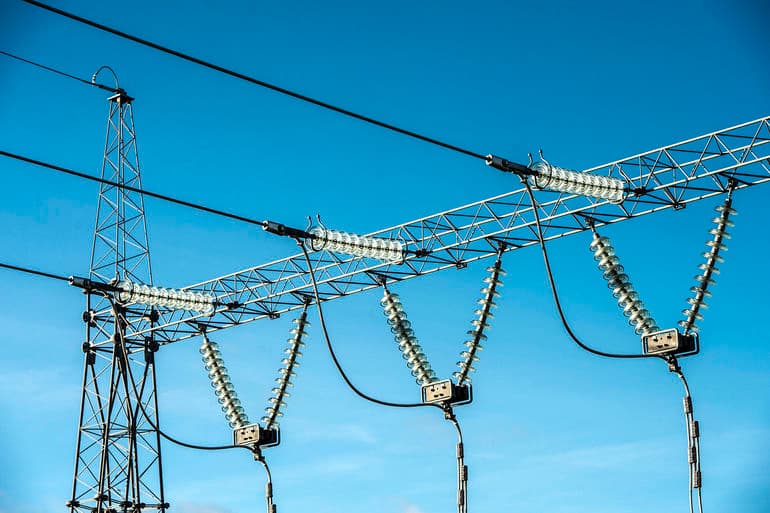
Energinet has implemented a new automated system that ensures balancing of the electricity grid every fifteen minutes. Previously, balancing services were traded every hour, but with the new model, supply and demand can be adjusted more precisely in line with variations in solar and wind production. This makes it easier to handle the fluctuations that occur in an energy system where an increasing share of production comes from renewable energy sources.
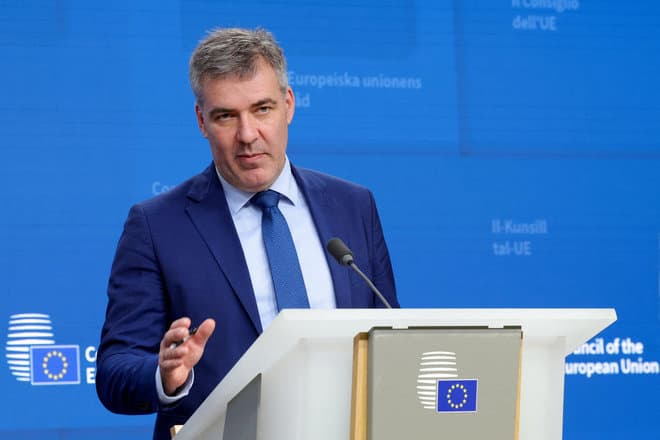
- The transition to balancing every 15 minutes is, in all modesty, one of the biggest changes to the electricity markets in the Nordic region ever. The change means that we can better integrate solar and wind into the electricity system while maintaining a high level of security of supply. The new market has been a long time coming, and Energinet would like to thank the market players for their efforts and cooperation. Energy markets are only as good as the bids that come in, and market players have helped make the transition to the new market a success, says Kia Marie Jerichau, area manager for Flexibility and Balancing at Energinet, in a press release.
The new market, mFRR EAM, was developed in collaboration with transmission operators from Denmark, Sweden, Norway and Finland and entered into force on March 4, 2025. According to Energinet, collaboration with the Nordic transmission operators is crucial for handling the large fluctuations that result from the green transition. Balancing the electricity grid more often ensures a stable electricity supply, while improving the integration of solar and wind energy.
Balancing the electricity grid is crucial for maintaining security of supply. Energinet spends between 2 and 2.5 billion DKK annually on system services that ensure that the electricity grid functions stably. More frequent trading means that market participants can react more quickly to fluctuations, reducing the risk of voltage fluctuations and outages. Automation makes it possible to regulate electricity consumption and production more efficiently, which can lead to both better pricing and more optimal utilization of the electricity grid.
Later in the year, the Intraday and Day-Ahead markets are also expected to switch to 15-minute trading, which will create even better opportunities to adapt the energy system to real consumption and production patterns.
amp
Text, graphics, images, sound, and other content on this website are protected under copyright law. DK Medier reserves all rights to the content, including the right to exploit the content for the purpose of text and data mining, cf. Section 11b of the Copyright Act and Article 4 of the DSM Directive.
Customers with IP agreements/major customer agreements may only share Danish Offshore Industry articles internally for the purpose of handling specific cases. Sharing in connection with specific cases refers to journaling, archiving, or similar uses.
Customers with a personal subscription/login may not share Danish Offshore Industry articles with individuals who do not themselves have a personal subscription to Danish Offshore Industry.
Any deviation from the above requires written consent from DK Medier.