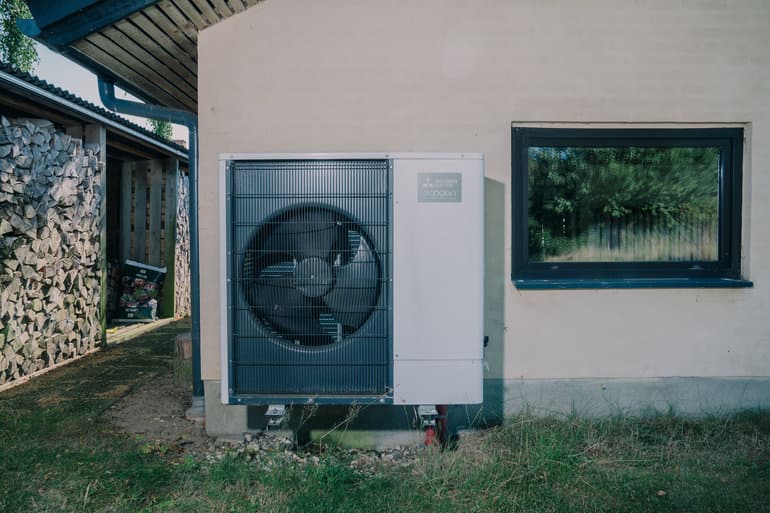
For several years, the state has provided subsidies to homeowners who switch their heating supply from an oil or gas boiler to a heat pump. This has been done to help the green transition along, so that more people use green electricity to heat their homes - instead of fossil fuels.
But even if the intention is good, the means are not necessarily the right one. This is the opinion of environmental scientists who, in their latest report, have examined the effect of the many millions spent on the subsidy scheme. And they conclude that the money could have been spent on other initiatives that would have resulted in an even greater reduction in greenhouse gases.
This is due, among other things, to the fact that many of the subsidy owners would have switched to heating their homes with electricity anyway, even if the subsidy had not been there. At the same time, the subsidies have been given to homeowners who would have been able to afford to switch to a heat pump even without the subsidy.
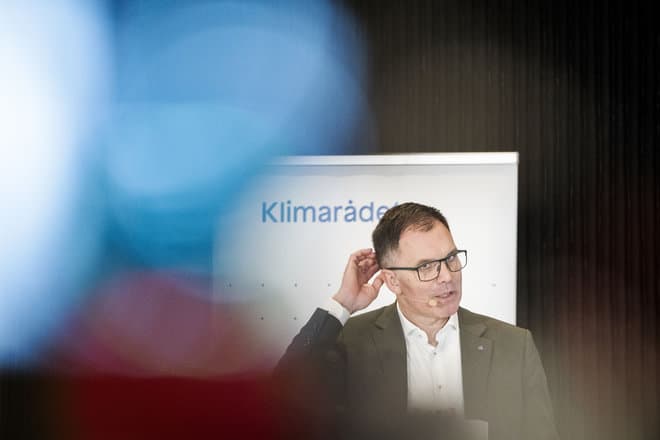
- Our analyses indicate that up to two out of three subsidies are given to homeowners who would have bought a heat pump without the subsidy. It is largely homeowners with high incomes and higher education who have received subsidies for heat pumps, says Jette Bredahl Jacobsen, an environmental economic expert.
At the same time, the experts' analysis shows that the future climate benefit of switching from gas boilers to heat pumps is limited compared to that achieved by switching from oil-fired heating. This is because the future gas supply will be based on climate-neutral biogas.
A total of many hundreds of millions of kroner have been spent on the so-called heat pump pools, which have existed since 2020. In 2025, 159.7 million kroner have been allocated for the purpose.
In connection with the latest finance law, an additional 555 million kroner have been allocated for new subsidy pools in the period from 2027 to 2029. The next heat pump pool will open in early 2026.
/ritzau/
Text, graphics, images, sound, and other content on this website are protected under copyright law. DK Medier reserves all rights to the content, including the right to exploit the content for the purpose of text and data mining, cf. Section 11b of the Copyright Act and Article 4 of the DSM Directive.
Customers with IP agreements/major customer agreements may only share Danish Offshore Industry articles internally for the purpose of handling specific cases. Sharing in connection with specific cases refers to journaling, archiving, or similar uses.
Customers with a personal subscription/login may not share Danish Offshore Industry articles with individuals who do not themselves have a personal subscription to Danish Offshore Industry.
Any deviation from the above requires written consent from DK Medier.