Denmark's gas supply remains robust and flexible – even during periods of severe winter weather. This is stated in Energinet's 'Report on gas supply security 2025', which has just been published, Energinet informs in a press release.
The assessment is based on, among other things, production from the Tyra field, the development of biomethane, the infrastructure and the situation on the European gas market.
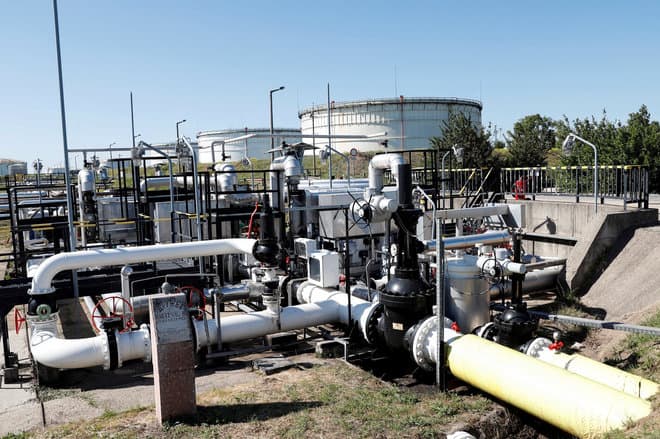
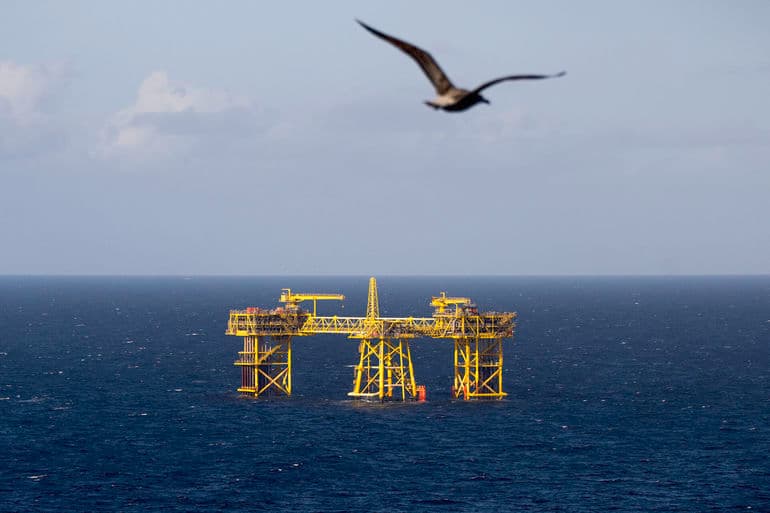
The re-established Tyra field has had a significant impact on security of supply. In 2025, Tyra delivered 883 million Nm³ of gas to the Danish transmission system, which has strengthened both the national supply and the flexibility of the gas system.
Baltic Pipe has also ensured a high flow of natural gas from Norway via Denmark to Poland. This has strengthened Denmark's role as a transit country and contributed to the security of supply in Central and Eastern Europe.
Biomethane is increasingly playing a role in the Danish gas supply. In 2025, the green gas also contributed during periods of high consumption. Production from 59 biogas plants currently accounts for around 40 percent of annual consumption.
The gas year has been characterized by increased geopolitical tension in Europe and an increased hybrid threat against Denmark. In 2025, the Danish Defence Intelligence Service assessed that the risk of sabotage and attempts to influence critical infrastructure, including the energy sector, was high. Despite the increased threat, Energinet assesses that the overall gas supply is robust.
Energinet has therefore maintained a heightened level of preparedness and initiated measures to counter the threats, including strengthened monitoring, closer cooperation with authorities and increased focus on physical security and cybersecurity.
amp