Russia's oil and gas export revenues have fallen over the past 12 months - even as its oil exports have increased in volume, according to data published on Tuesday, Reuters news agency reported.
The war in Ukraine enters its fifth year on Tuesday. An analysis published by the independent think tank Centre for Research on Energy and Clean Air (CREA) shows that Russia's revenues from oil, gas, coal and refined oil exports amounted to 193 billion euros - equivalent to 1442 billion kroner - in the 12 months to Tuesday. This is a 27 percent drop compared to a comparable period before the invasion.
Russia is heavily dependent on its energy revenues to finance the war in Ukraine. This dependence has led Western countries to impose increasingly stringent sanctions on Russian fuel to weaken the country's military efforts.
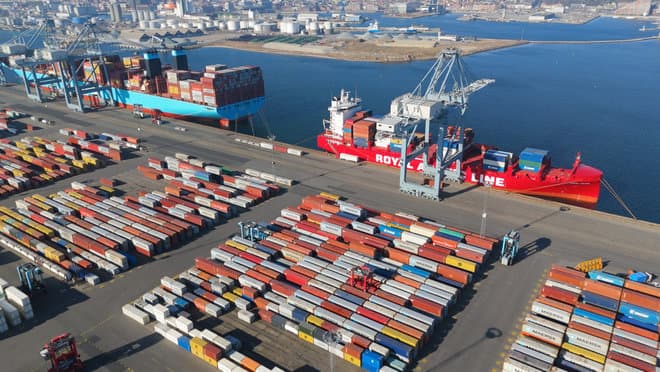
Russia's gas exports have plummeted since 2022, the year Russia invaded its neighboring country on February 24. However, the sanctions have not yet reduced the country's oil exports in terms of volume. On the contrary, the country has been forced to sell the oil at lower prices.
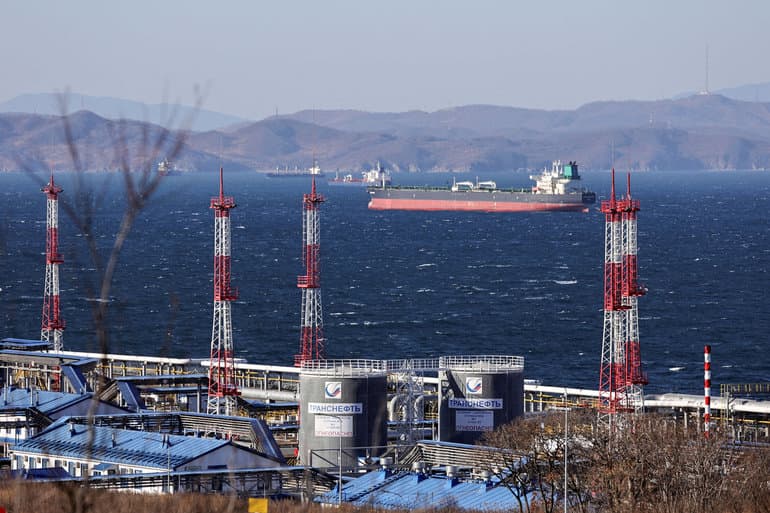
According to CREA, Russia's revenues from crude oil exports have fallen by 18 percent in the past 12 months compared to the previous year. At the same time, crude oil export volumes were 215 tons, which is six percent above the level before the invasion, it says.
Stricter sanctions on the way
In response to the sanctions from the West, Russia has directed the majority of its crude oil exports to China, India and Turkey via shipping. In this context, the country has often had to resort to its so-called shadow fleet of old, uninsured oil tankers to circumvent the sanctions.
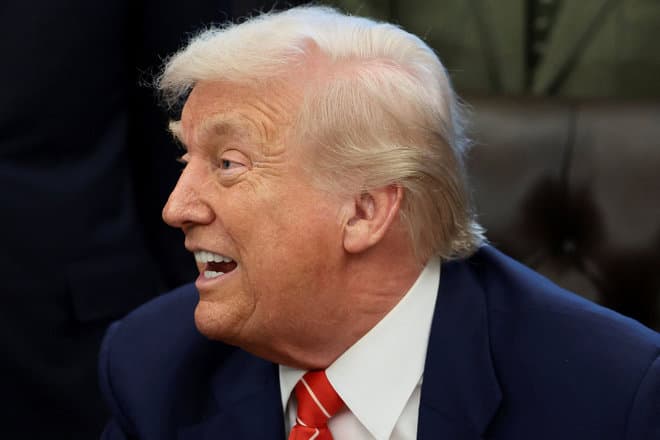
However, stricter restrictions may hit Russia's fuel exports harder this year, writes Reuters. US President Donald Trump has made it a condition for a trade deal with India that the country reduces its dependence on Russian crude oil.
At the same time, the EU is considering a comprehensive ban on any company that supports Russia's oil exports by sea, which goes beyond previous sanctions.
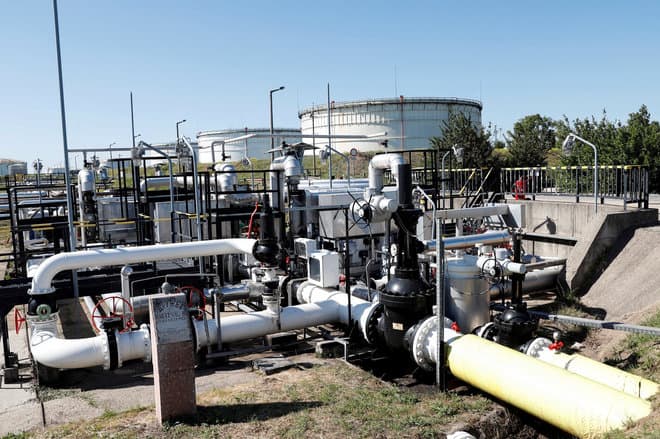
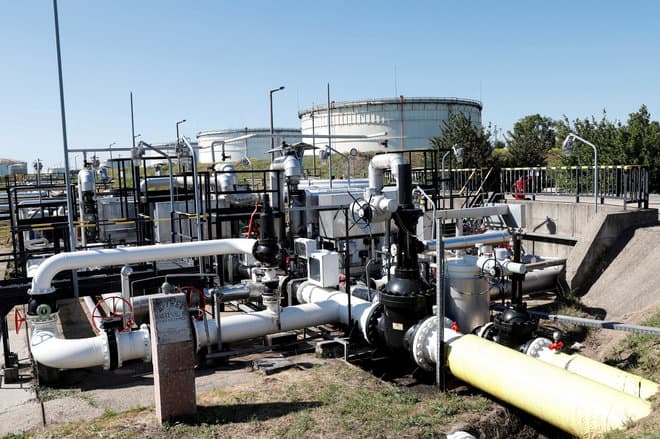
It failed to pass on Monday when Hungary vetoed it due to a dispute over a damaged Ukrainian oil pipeline.
/ritzau/
Text, graphics, images, sound, and other content on this website are protected under copyright law. DK Medier reserves all rights to the content, including the right to exploit the content for the purpose of text and data mining, cf. Section 11b of the Copyright Act and Article 4 of the DSM Directive.
Customers with IP agreements/major customer agreements may only share Danish Offshore Industry articles internally for the purpose of handling specific cases. Sharing in connection with specific cases refers to journaling, archiving, or similar uses.
Customers with a personal subscription/login may not share Danish Offshore Industry articles with individuals who do not themselves have a personal subscription to Danish Offshore Industry.
Any deviation from the above requires written consent from DK Medier.