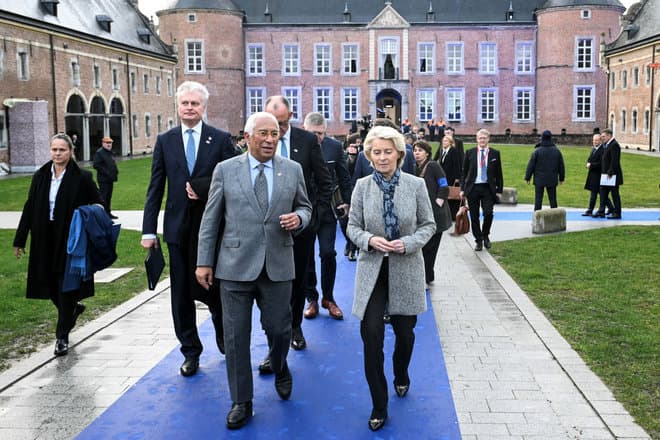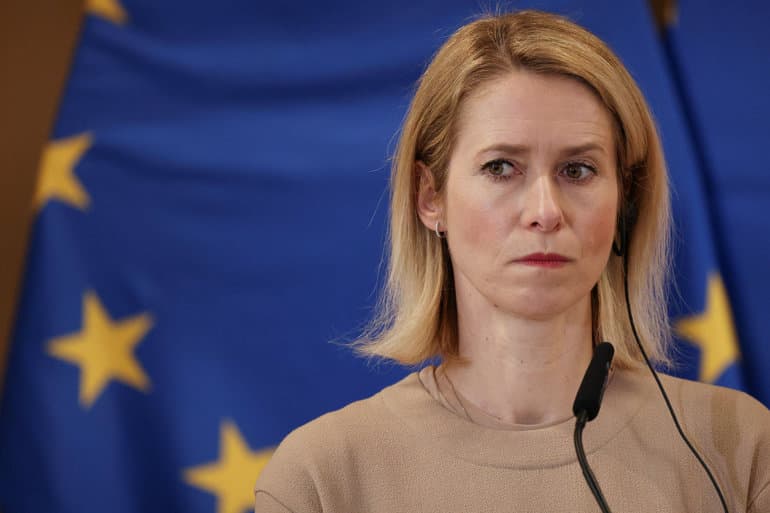
The EU countries will adopt the 20th sanctions package against Russia "next Monday". This is what the EU's foreign affairs chief said after a meeting of the E5 group, which consists of the defense ministers of Germany, France, Italy, Poland and the United Kingdom.
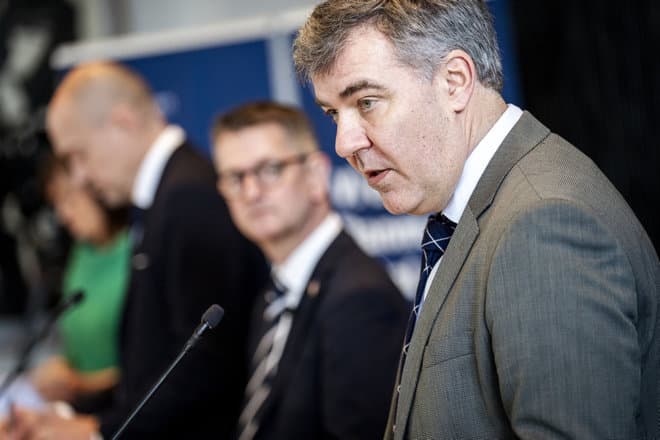
- The sanctions are working. They are seriously damaging Russia's economy, and each new sanction further limits Russia's ability to wage war, says Kaja Kallas.
The announcement comes ahead of the EU foreign ministers meeting in Brussels on Monday next week. This will take place the day before the anniversary of Russia's invasion of Ukraine. It is probably at this meeting that Kaja Kallas expects support for the sanctions.
The ministerial meeting comes after the sanctions package has been intensively negotiated among the EU countries' permanent representatives for the past two weeks. They will also meet on Friday to review the new sanctions.
Targeting energy exports
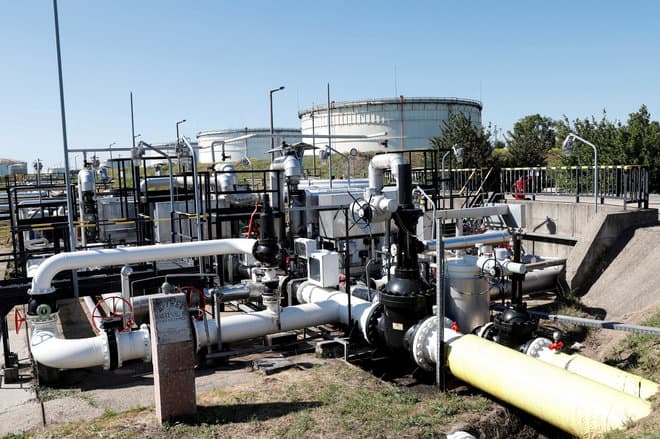
The 20th sanctions package is expected to hit Russia's energy exports hard.
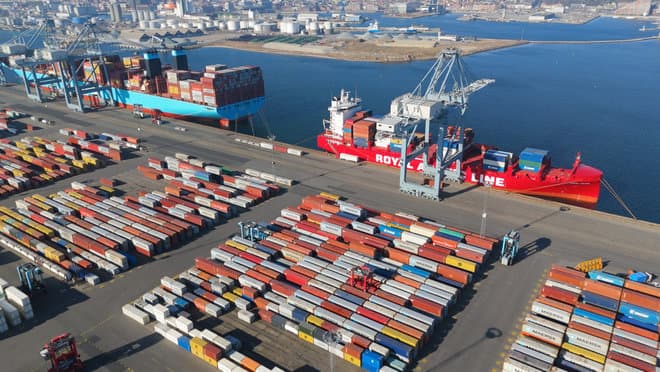
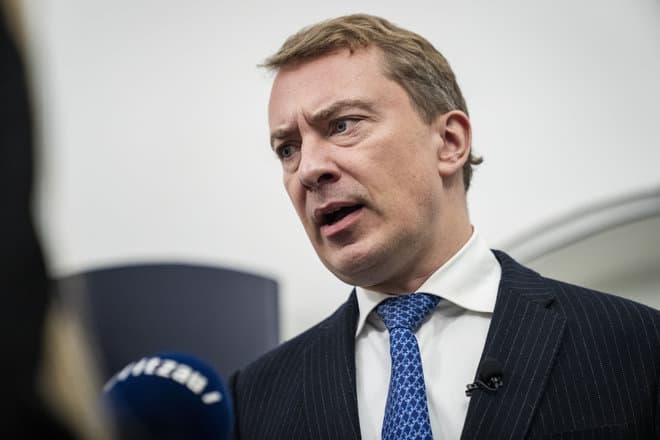
On Tuesday, EU Commissioner for Economic Affairs Valdis Dombrovskis stated that as part of the upcoming sanctions package, the EU will move forward with a total ban on maritime services for Russian oil exports.
According to Dombrovskis, this will also happen even if the G7 countries, including the US, do not agree.
- This is part of our proposal for the 20th sanctions package against Russia, which is currently being discussed with the EU countries. We have presented it to our G7 partners, because it is best if we take coordinated steps.
- But we are ready to take steps at EU level if broad agreement does not come, Dombrovskis said on Tuesday.
The goal is to agree on the package before February 24, which is the anniversary of Russia's invasion of Ukraine. Here the war will enter its fifth year. The EU Commission presented its proposal for the 20th sanctions package against Russia in early February.
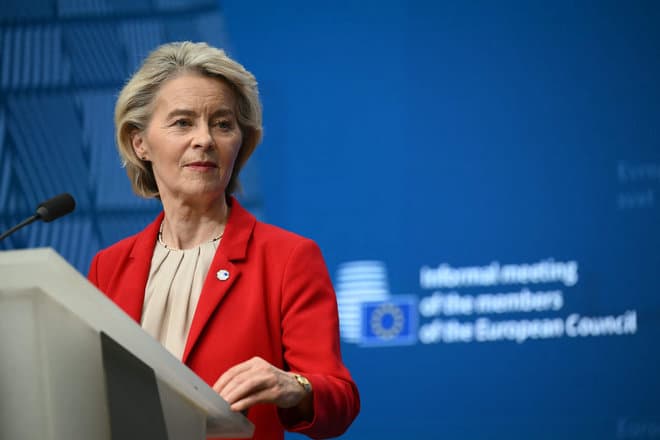
In this connection, Ursula von der Leyen stated that a complete ban on maritime services for Russian oil exports would hit Russia hard.
- Russia will only come to the negotiating table with sincere intentions if it is pressured to do so. This is the only language Russia understands, she said in this connection.
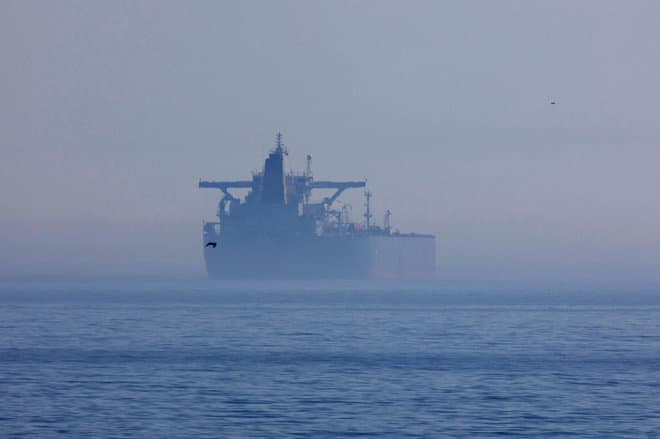
Russia exports over a third of its oil via Western tankers and via Western shipping services. Most of it goes to India and China. Russian oil revenues are used to finance the war against Ukraine, among other things.
A ban would put an end to trade that mainly takes place via EU countries such as Greece, Cyprus and Malta. However, the effect would be even more extensive if all members of the G7 joined.
The G7 is an informal forum for seven of the world's leading industrialized democracies. In addition to the EU countries Germany, France and Italy, the G7 consists of the United States, Great Britain, Canada and Japan.
/ritzau/
Text, graphics, images, sound, and other content on this website are protected under copyright law. DK Medier reserves all rights to the content, including the right to exploit the content for the purpose of text and data mining, cf. Section 11b of the Copyright Act and Article 4 of the DSM Directive.
Customers with IP agreements/major customer agreements may only share Danish Offshore Industry articles internally for the purpose of handling specific cases. Sharing in connection with specific cases refers to journaling, archiving, or similar uses.
Customers with a personal subscription/login may not share Danish Offshore Industry articles with individuals who do not themselves have a personal subscription to Danish Offshore Industry.
Any deviation from the above requires written consent from DK Medier.