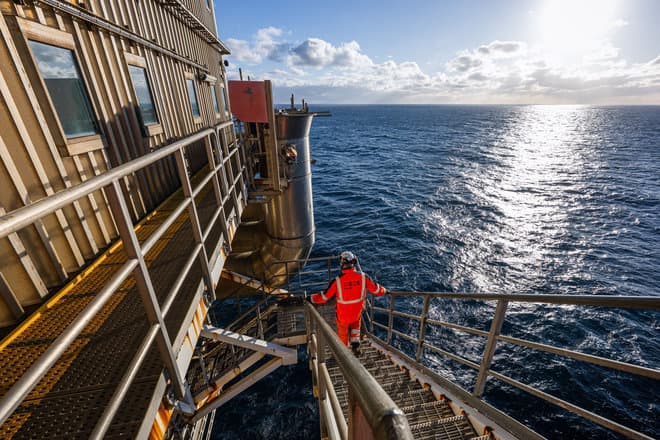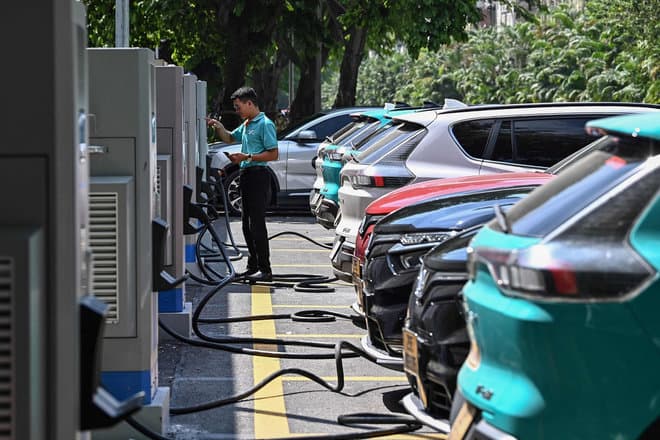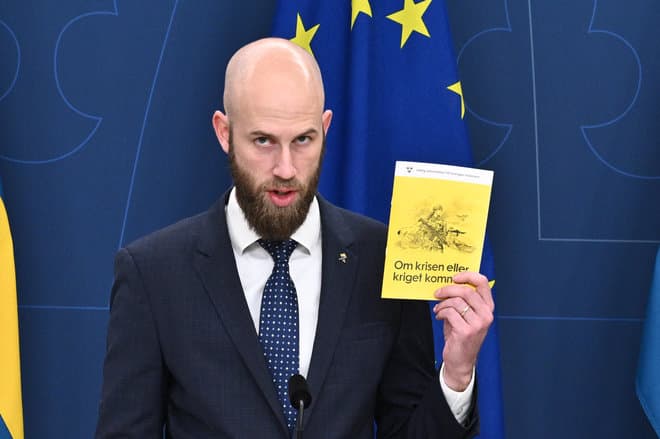



The EU must prepare for the fact that the conflict in Iran could, in the worst case, last weeks. If that happens, it will have a negative impact on energy prices in a Europe that is still deeply dependent on imports of gas and oil from abroad.
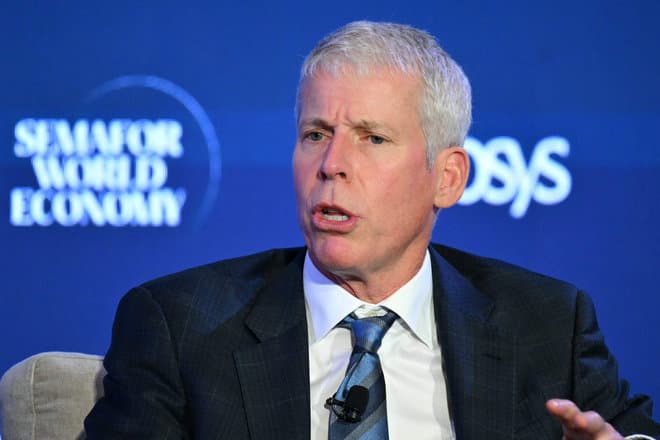
This is the analysis from Simone Tagliapietra, an analyst at the Bruegel think tank, which focuses on economic issues.
- The US and Israeli attacks on Iran have reopened the most significant energy security issue in the global economy: the disruption of oil and gas supplies from the Middle East, which pass through the world's most important energy hub, the Strait of Hormuz, Simone Tagliapietra states in a new analysis.
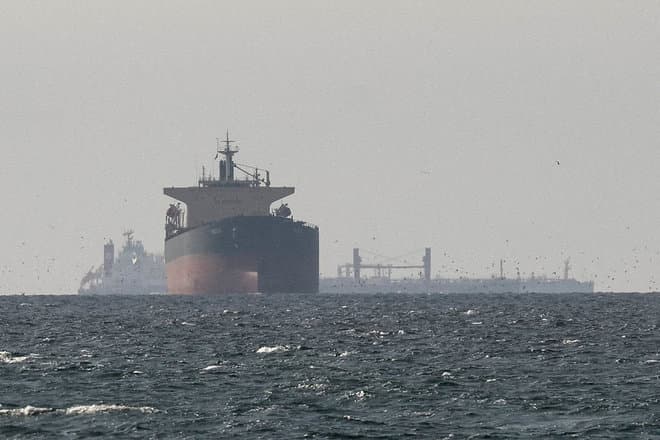
Around 20 million barrels of oil and oil products are at stake per day. This corresponds to around a fifth of global consumption. In addition, all exports of liquefied natural gas (LNG) from Qatar and the United Arab Emirates are also at stake. This corresponds to around 20 percent of global LNG trade.
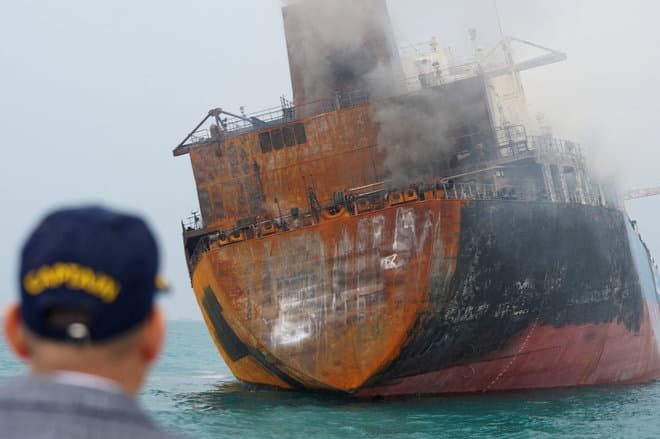
- Since the first attacks on February 28, shipping through the strait has come to a near standstill. The immediate impact on energy prices has been significant, says Simone Tagliapietra.
The analysis shows that oil prices rose by around 8 percent, while European gas prices rose by 20 percent on the morning of March 2.
- The long-term impact on energy prices will depend on how long the hostilities last. And their impact on shipping through the Strait of Hormuz.
- A short-term conflict will impose a geopolitical risk premium on oil and gas markets. A prolonged disruption - perhaps over several weeks - will begin to deplete stocks, limit logistics and tighten the global oil and gas balance. It will have a much greater impact on prices, states Simone Tagliapietra.
Gas is particularly important for the EU
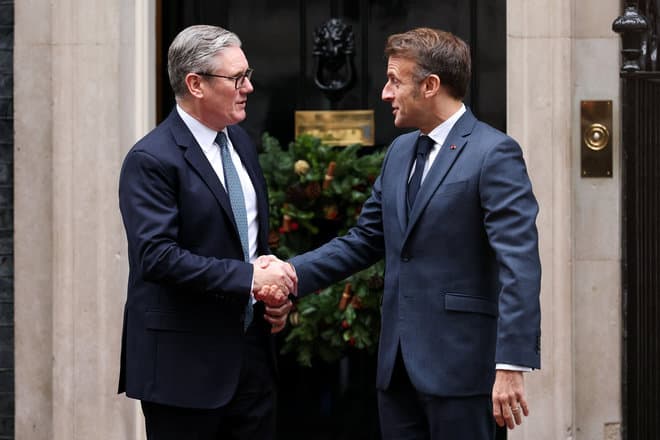
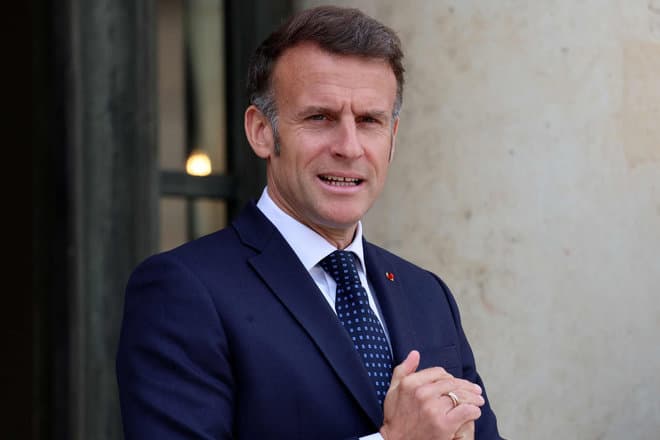
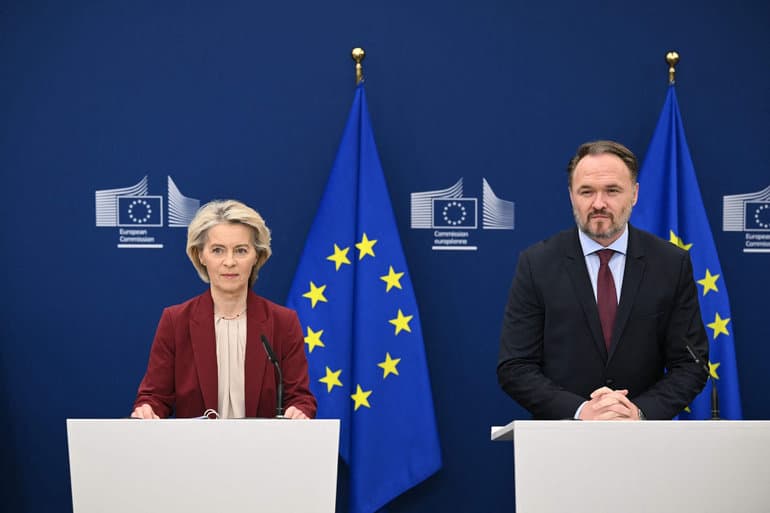
The announcement comes as the EU Commission's special security college is to discuss the risks of the conflict on Monday. This is to prepare the EU for a possible energy crisis. Or for new refugee flows. The President of the EU Commission, Ursula von der Leyen, stated this on Monday ahead of the meeting:
- From energy to nuclear weapons. From the transport of goods to migration and security, we must be prepared for the outcome of events, said von der Leyen.
Simone Tagliapietra calls on the EU to prepare for a long-term conflict. While the EU is less dependent on oil from the Gulf, gas prices in the EU could be hit hard if shipping through the Strait of Hormuz is restricted:
- Europe will then be forced to compete with Asian buyers for flexible cargoes on the spot market. Something that was seen during the energy crisis in 2021-2023.
- This will push up European gas prices. Especially because Europe started 2026 with much lower gas stock levels than in recent years, says Simone Tagliapietra.
The analysis points out that the conflict in Iran once again exposes the EU's dependence on imported fossil energy.
- Europe's vulnerability to geopolitical shocks remains rooted in its dependence on imported fossil fuels. Even though the dependence has shifted from Russia to other suppliers, not least the United States, says Simone Tagliapietra.
/ritzau/
Text, graphics, images, sound, and other content on this website are protected under copyright law. DK Medier reserves all rights to the content, including the right to exploit the content for the purpose of text and data mining, cf. Section 11b of the Copyright Act and Article 4 of the DSM Directive.
Customers with IP agreements/major customer agreements may only share Danish Offshore Industry articles internally for the purpose of handling specific cases. Sharing in connection with specific cases refers to journaling, archiving, or similar uses.
Customers with a personal subscription/login may not share Danish Offshore Industry articles with individuals who do not themselves have a personal subscription to Danish Offshore Industry.
Any deviation from the above requires written consent from DK Medier.