

There may be ominous news on the way for those who are about to fly. The risk of a shortage of jet fuel grows every day while the Strait of Hormuz remains closed due to the war in the Middle East. This is bringing threats of mass cancellations closer.
The shortage could become more extensive within the next three to four weeks, warns Claudio Galimberti, an economist at the Norwegian energy consultancy Rystad Energy.
- You could experience serious cuts in flights in Europe as early as May and June, he tells the American media CNBC.
The risk is greatest in Asia and to a lesser extent in Europe, as both continents are dependent on the oil of the Gulf states, which is normally shipped through the Strait of Hormuz.
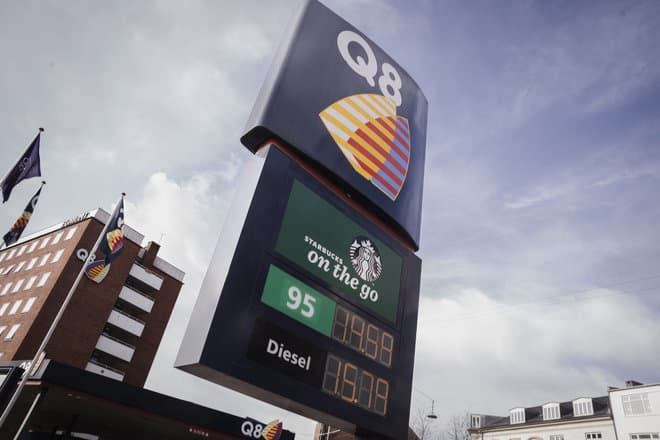
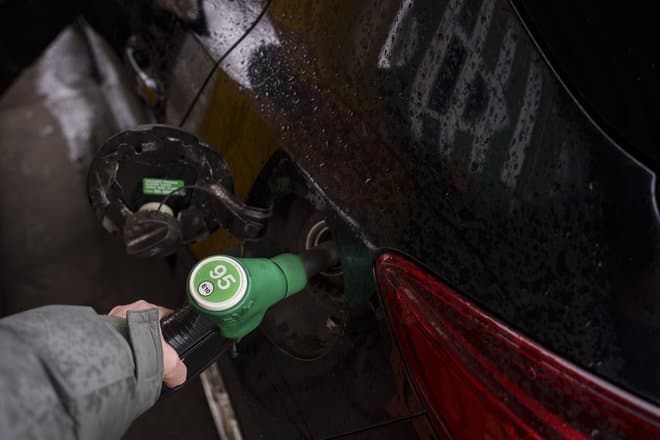
In recent weeks, the price of jet fuel has risen from approximately 350-550 kroner per barrel to between 950-1250 kroner. It is a severe economic blow for an industry where fuel accounts for up to a quarter of operating costs.
According to Claudio Galimberti, there are already flights that have been cancelled as a direct consequence.
EU Commission no evidence of fuel shortages in the EU
However, the EU Commission is urging caution, writes the AFP news agency.
- There is no evidence of fuel shortages in the EU at this time, says commission spokeswoman Anna-Kaisa Itkonen.
However, she acknowledges that "supply problems may arise in the near future, especially for aviation fuel".
At the end of March, Anko van der Werff, CEO of SAS, warned that the company would cancel at least 1,000 flights in April due to high fuel prices.
Last week, the industry organization Airports Council International Europe wrote to the European Commission that a shortage of jet fuel could occur in early May if tankers do not start sailing through the Strait of Hormuz by then.
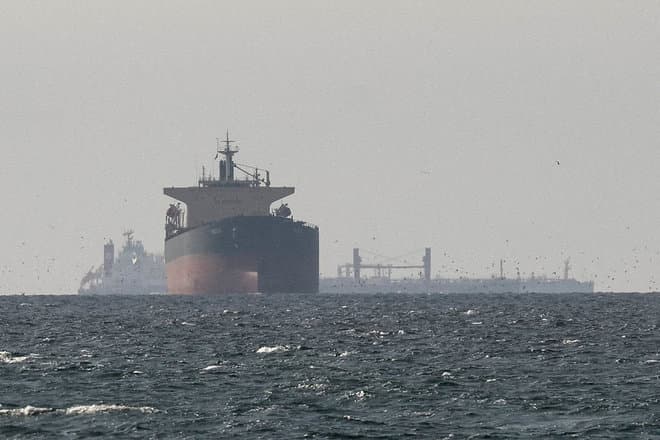
Traffic through the strait, through which a fifth of the world's crude oil and liquefied natural gas supplies passed before the war, has been almost completely blocked since the United States and Israel began bombing Iran on February 28.
The International Energy Agency (IEA) also warns that Europe could soon face a shortage of jet fuel.
According to AFP, it is difficult to make broad generalizations about the situation, as stocks of jet fuel vary from country to country. Japan is normally dependent on imports, but the country has built up significant reserves.
The situation also varies considerably in Europe. Austria, Bulgaria and Poland, for example, have good stocks. For Britain, Iceland and the Netherlands, it is the other way around. France is somewhere in between.
And the consequences will not be the same for all airports and airlines, writes AFP. For example, smaller airports located inland will be in a weaker position than the main hubs, says economist at the banking company ING Rico Luman to AFP.
- It will not be a question of a complete stop, but partial cancellations at some airlines and airports, he assesses.
The industry organization calls for transparency
The industry organization Airlines for Europe is calling on the EU to start providing information on fuel stocks at airports in real time. The organization includes companies such as Air France-KLM, Lufthansa and Ryanair.
However, the data must come from fuel suppliers who are not keen on handing over sensitive commercial data to their largest customers.
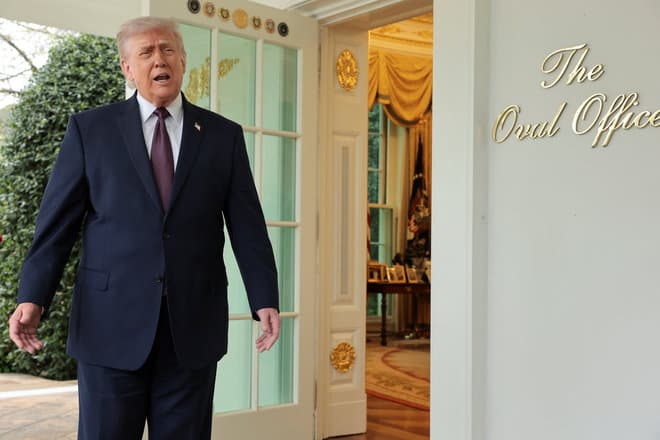
If you ask US President Donald Trump for a solution, the answer is:
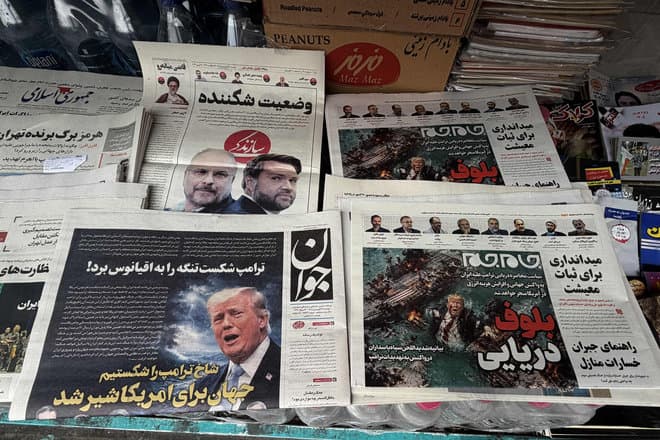
- Number 1: Buy from the US. Number 2: Build up some belated courage, go to the strait, and just take it, he recently wrote about the situation.
/ritzau/
Text, graphics, images, sound, and other content on this website are protected under copyright law. DK Medier reserves all rights to the content, including the right to exploit the content for the purpose of text and data mining, cf. Section 11b of the Copyright Act and Article 4 of the DSM Directive.
Customers with IP agreements/major customer agreements may only share Danish Offshore Industry articles internally for the purpose of handling specific cases. Sharing in connection with specific cases refers to journaling, archiving, or similar uses.
Customers with a personal subscription/login may not share Danish Offshore Industry articles with individuals who do not themselves have a personal subscription to Danish Offshore Industry.
Any deviation from the above requires written consent from DK Medier.