The government's new requirements for greater transparency in the petrol and diesel market have now been fully implemented and are intended to strengthen competition and make it easier for drivers to compare prices. The measures mean that petrol companies are no longer allowed to publish recommended prices, and current pump prices must be available online following measures that were decided in September and came into effect on 1 December 2025 and 1 January 2026 respectively. Drivkraft Danmark writes this in a press release.
- Our members have reacted quickly and effectively despite the short deadline given for implementation. This is done in respect of the government's desire for more transparency and visibility, says Jacob Stahl Otte, CEO of Drivkraft Danmark.
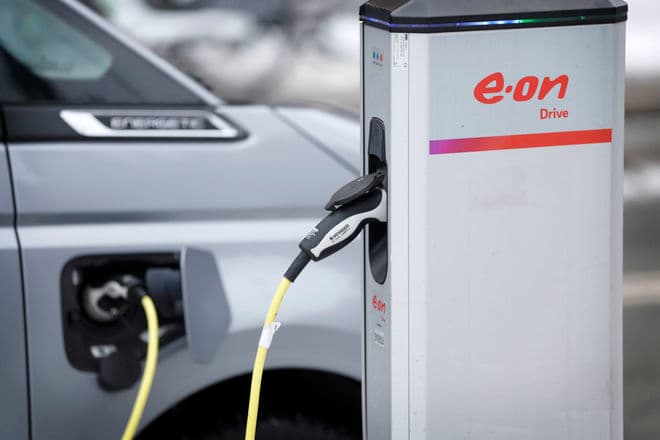
The organisation, which is the trade organisation for Denmark's fuel suppliers and charging operators, also points out that a similar effort is missing in the charging market for electric cars. According to Jacob Stahl Otte, consumers experience an opaque market with subscription schemes, where fixed prices for home and outdoor charging can make it difficult to assess the real costs.
The Competition Council has previously pointed out that many consumers have difficulty understanding the products and therefore often pay more than their actual consumption indicates. The Council has recommended a ban on certain subscription models, but no political steps have yet been taken in this area.
Drivkraft Danmark refers to calculations from COWI, which show that a family that primarily charges at home can save over DKK 4,500 per year by switching from a fixed-price subscription to paying according to actual consumption. The organization calls for the government to follow the same approach to transparency and competition in the electric vehicle charging market as in the gasoline and diesel areas.
- We are disappointed that the government did not at the same time address the recommendations regarding price competition in the electric vehicle charging market that the Competition Council proposed over two years ago, says Jacob Stahl Otte.
amp
Text, graphics, images, sound, and other content on this website are protected under copyright law. DK Medier reserves all rights to the content, including the right to exploit the content for the purpose of text and data mining, cf. Section 11b of the Copyright Act and Article 4 of the DSM Directive.
Customers with IP agreements/major customer agreements may only share Danish Offshore Industry articles internally for the purpose of handling specific cases. Sharing in connection with specific cases refers to journaling, archiving, or similar uses.
Customers with a personal subscription/login may not share Danish Offshore Industry articles with individuals who do not themselves have a personal subscription to Danish Offshore Industry.
Any deviation from the above requires written consent from DK Medier.