


In 2026, Danish electricity consumers will pay 11.5 øre per kWh to Energinet – a 15 percent decrease compared to the current 13.5 øre. This is according to Energinet.
Energinet's board of directors has also decided to follow the recommendation from the company's daily management and introduce a tariff cap for the period 2026-2029, so that consumers' tariff payments do not exceed 12.5 øre per kWh. The ambition is to maintain the 2026 level, if the Danish Electricity Supply Authority approves it.
The measure with lower tariffs is to promote electrification and the green transition, especially in sectors that currently use oil and gas, explains Thomas Egebo, CEO of Energinet:
- A tariff cap that is lower than what consumers currently pay will not only ensure lower payments for Danish households and companies. It will also create predictability for the many who want to invest in, for example, heat pumps, electric boilers, conversion of industry, etc., he says.
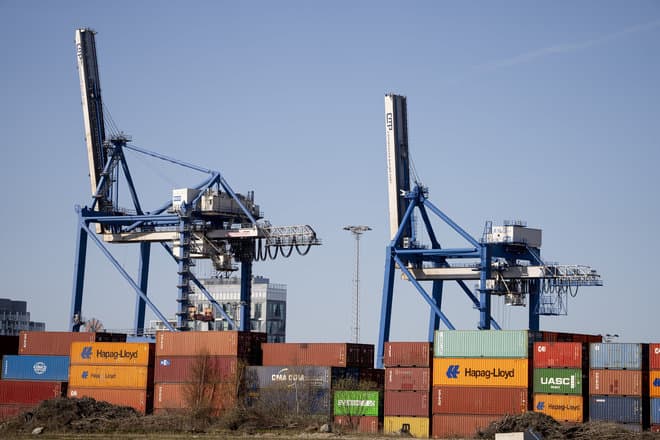
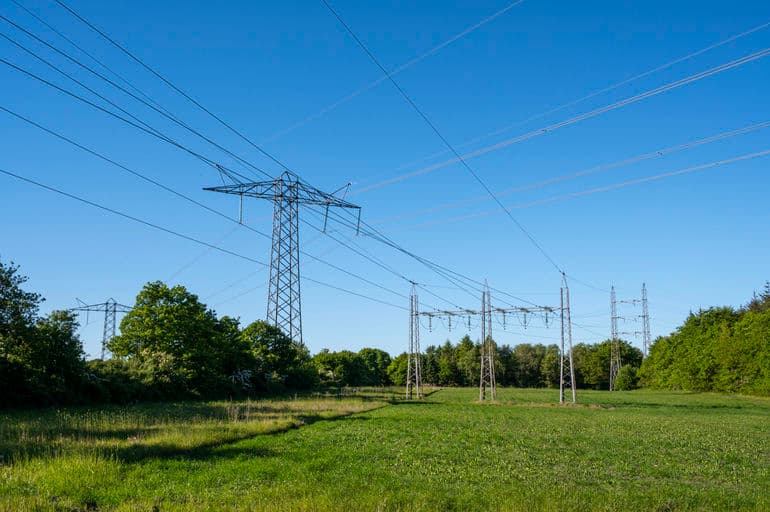
The tariff reduction is financed through extraordinary use of bottleneck revenues – revenues from electricity trade across borders between Denmark and neighboring countries. These revenues arise when electricity prices are different in two countries, and the capacity of the connections limits the amount of electricity that can be transferred. The bottleneck revenues have so far been primarily used to maintain and expand electricity connections abroad, but Energinet will now instead use a larger part of them to cover the fixed costs of operating and expanding the Danish electricity system.
Without the use of these revenues, the tariff payment in 2026 would have been 14.8 øre per kWh. Energinet emphasizes that investments in international connections have been crucial in creating the trading income that now enables lower tariffs for Danish consumers.
A typical household saves DKK 83 annually with the tariff reduction, while a company with a consumption of 250,000 kWh saves DKK 4,871. In 2026, the annual system subscription will also be price-regulated to DKK 187 per metering point.
For large electricity consumers who are directly connected to the transmission grid, Energinet is proposing a new tariff model with a power subscription. This is intended to promote the use of technologies such as PtX and large heat pumps.
Electricity producers are also set to receive lower payments next year. The balancing tariff is proposed to be reduced by almost 20 percent to 1.03 øre per kWh, and connection contributions will be reduced by 2-10 percent. For example, the station contribution for the many customers on 132/150 KV decreases by 9 percent.
amp
Text, graphics, images, sound, and other content on this website are protected under copyright law. DK Medier reserves all rights to the content, including the right to exploit the content for the purpose of text and data mining, cf. Section 11b of the Copyright Act and Article 4 of the DSM Directive.
Customers with IP agreements/major customer agreements may only share Danish Offshore Industry articles internally for the purpose of handling specific cases. Sharing in connection with specific cases refers to journaling, archiving, or similar uses.
Customers with a personal subscription/login may not share Danish Offshore Industry articles with individuals who do not themselves have a personal subscription to Danish Offshore Industry.
Any deviation from the above requires written consent from DK Medier.