


Green Power Denmark and DI call on the incoming government to update Denmark's PtX strategy and at the same time present ten recommendations on how the effort can be strengthened. Five of the recommendations are aimed at the period up to 2030, while five apply to the period thereafter. According to the organizations, there is a need to increase the pace of development of green hydrogen and green fuels for, among other things, industry, ships, aircraft and defense.
The organizations point out that the current strategy from 2022 no longer matches the geopolitical situation, where increasing unrest affects both energy prices and security of supply in Europe. With the recommendations, they propose concrete measures to strengthen production, infrastructure and demand.
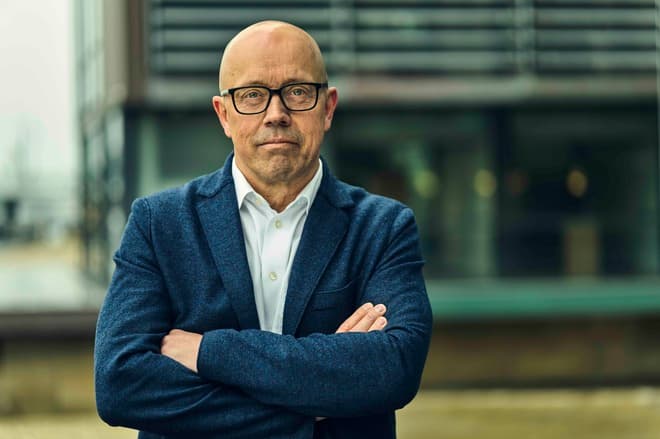
- The crisis in the Strait of Hormuz shows that the security of supply of fuels in Europe is challenged. The EU's payment for fossil imports has increased by 22 billion euros in a month and a half. The dependence is not sustainable - neither in terms of security policy nor economically. That is why we must invest in green hydrogen – produced using renewable energy – and PtX, so that we can convert ships, aircraft and defense and thus free ourselves from imported oil products. Defense must have security of supply, and we can create this through Danish-produced PtX, says Kristian Jensen, CEO of Green Power Denmark, in a press release.
Denmark has a strong starting point
According to DI, access to stable and competitive energy is crucial for companies' investments. The organization emphasizes that Danish and European companies are in competition with, among others, the USA and China, and that energy conditions play a central role in where investments are placed.
Green Power Denmark and DI also assess that Denmark has a strong starting point with projects in operation and a growing pipeline. But without an updated strategy, development risks losing momentum, while other countries are moving quickly.
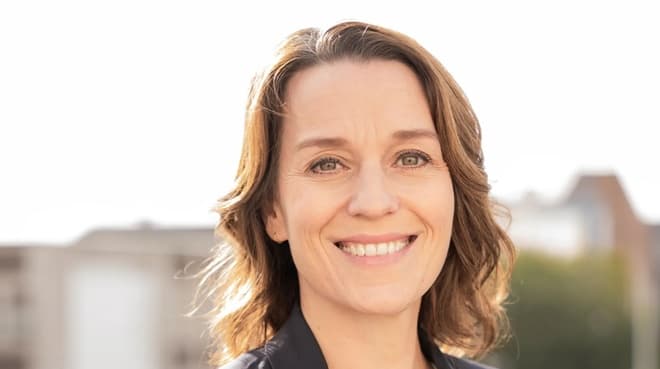
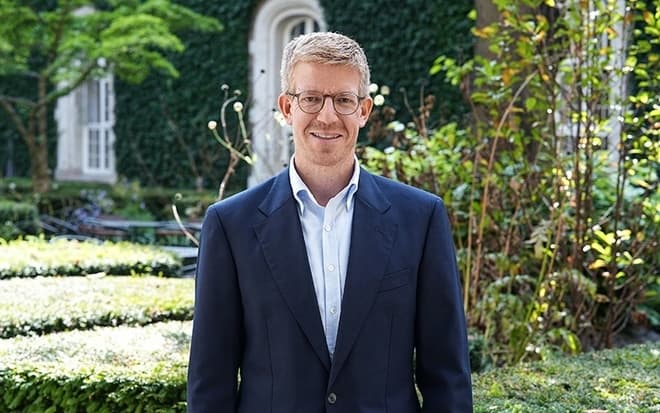
- We must attract investments to Denmark by offering competitive frameworks and first-class infrastructure. Our ambition is to strengthen hydrogen cooperation with our neighboring countries and build a Danish industry of large producers and buyers of green fuels for ships, aircraft and defense. We can, if we want and dare, states Troels Ranis.
The existing political agreement aims for 4-6 GW electrolysis capacity in 2030. According to the organizations, their recommendations can contribute to meeting the goal and at the same time form the basis for a competitive Danish value chain and more green jobs.
10 recommendations from Green Power Denmark and DI
Towards 2030 – create the framework for Danish first-movers:
1. A strengthened Danish-German hydrogen cooperation
2. Competitive conditions for Danish hydrogen production
3. PtX fuels for ships
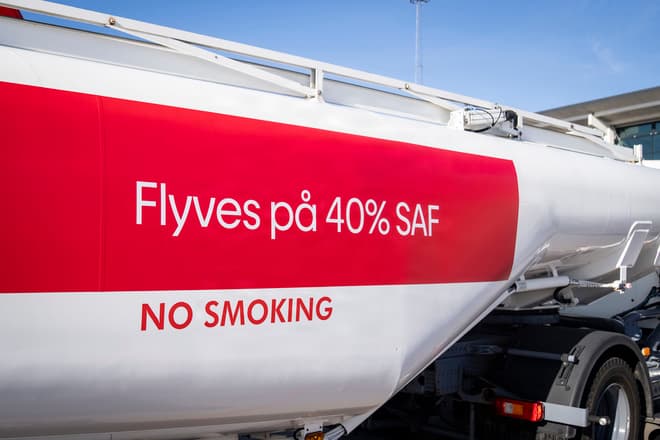
4. PtX fuels for aircraft
5. Resilient fuels for the military
Towards 2035 – scaling of the Danish hydrogen and PtX value chain:
6. Next phases of infrastructure for hydrogen and PtX
7. Faster renewable energy expansion
8. Sufficient CO2 and biogas for CCU
9. Strengthened Danish hydrogen and PtX technology development
10. Increased self-sufficiency and climate goals should promote hydrogen and PtX demand
amp
Text, graphics, images, sound, and other content on this website are protected under copyright law. DK Medier reserves all rights to the content, including the right to exploit the content for the purpose of text and data mining, cf. Section 11b of the Copyright Act and Article 4 of the DSM Directive.
Customers with IP agreements/major customer agreements may only share Danish Offshore Industry articles internally for the purpose of handling specific cases. Sharing in connection with specific cases refers to journaling, archiving, or similar uses.
Customers with a personal subscription/login may not share Danish Offshore Industry articles with individuals who do not themselves have a personal subscription to Danish Offshore Industry.
Any deviation from the above requires written consent from DK Medier.