

The German Bundestag has adopted new legislation, REDIII, on Thursday, which sets requirements for the use of green hydrogen, RFNBO, in the transport sector.
According to the industry organization Brintbranchen, the new rules will increase the demand for green hydrogen and hydrogen-based fuels in Germany. This may have an impact on Danish exports and the development of the Danish hydrogen infrastructure.
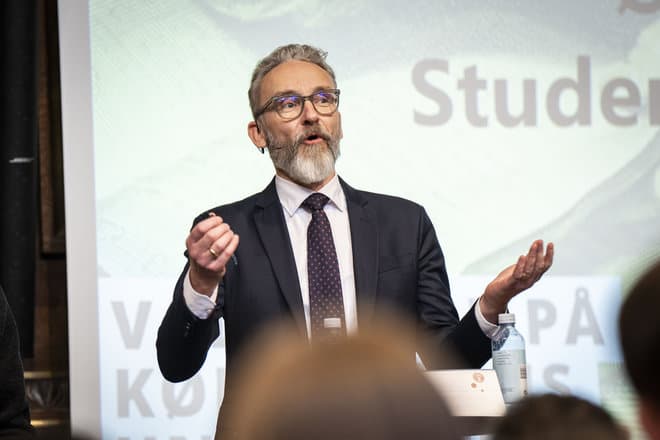
- It is difficult to underestimate the importance of the new German rules. They will mean a huge boost to the demand for green hydrogen and hydrogen-based green fuels in Germany, and will squeeze massive amounts of imported fossil energy out of the German energy system. And it is not least potentially crucial for the export of Danish hydrogen to Germany, and thus also for whether an investment decision can be made on the Danish hydrogen infrastructure, says Tejs Laustsen Jensen, CEO of the Hydrogen Industry, in a press release.
The Hydrogen Industry also highlights that the German requirements have been tightened during the legislative process, which is expected to increase demand from refineries, among others, that will replace fossil hydrogen with green.
At the same time, the industry organization points out that initiatives like the German one show that the Danish rules are less ambitious.
The new German legislation must now be finally approved by the Federal Council before it can come into force. This is expected to happen on May 8, 2026.
Text, graphics, images, sound, and other content on this website are protected under copyright law. DK Medier reserves all rights to the content, including the right to exploit the content for the purpose of text and data mining, cf. Section 11b of the Copyright Act and Article 4 of the DSM Directive.
Customers with IP agreements/major customer agreements may only share Danish Offshore Industry articles internally for the purpose of handling specific cases. Sharing in connection with specific cases refers to journaling, archiving, or similar uses.
Customers with a personal subscription/login may not share Danish Offshore Industry articles with individuals who do not themselves have a personal subscription to Danish Offshore Industry.
Any deviation from the above requires written consent from DK Medier.