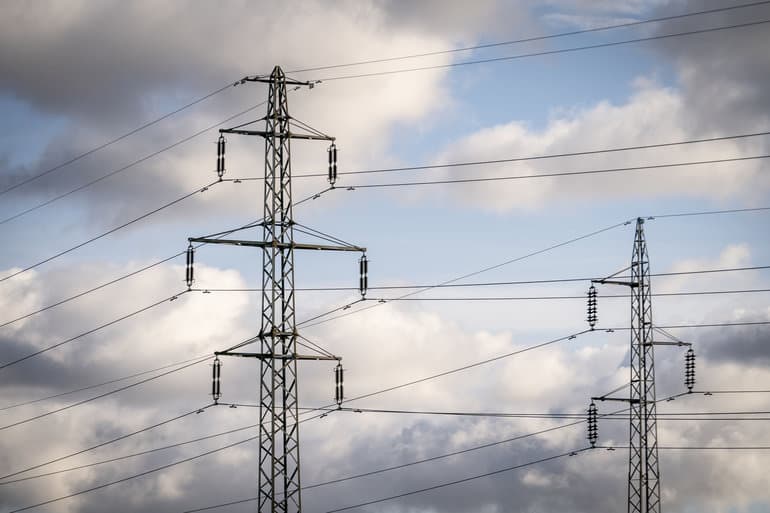
The vast majority of projects in the expansion of the Danish electricity grid are delayed, and this may have consequences for the green transition. This is shown by a new report from the National Audit Office, an independent institution under the Danish Parliament.
According to the report, around 70 percent of Energinet's projects are delayed, and the delays are on average almost 2.5 years. Energinet is an independent company that develops the overall electricity and gas grid in Denmark. The National Audit Office overall assesses that Energinet's management of the expansion is "very unsatisfactory".
Energinet's timetables have slipped, and they do not have clear explanations for the reasons. Energinet has systematically underestimated how long it takes to complete its projects.
At the same time, the Ministry of Climate, Energy and Utilities is being criticized for not having intervened in time, even though the problems have been known for several years. According to the report, the ministry has "reacted too late" to the increasing delays.
Expansion of the electricity grid a prerequisite for green deployment
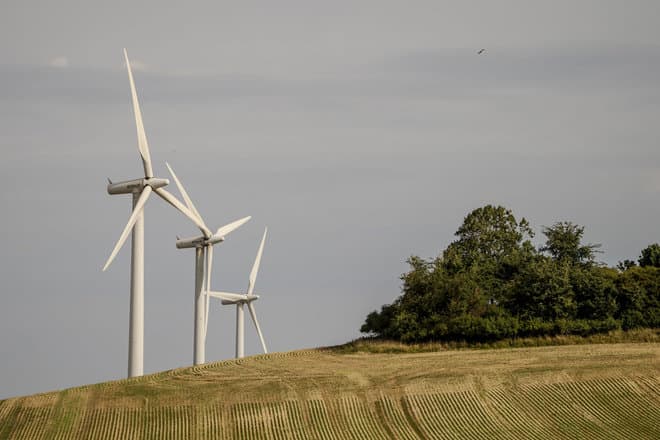
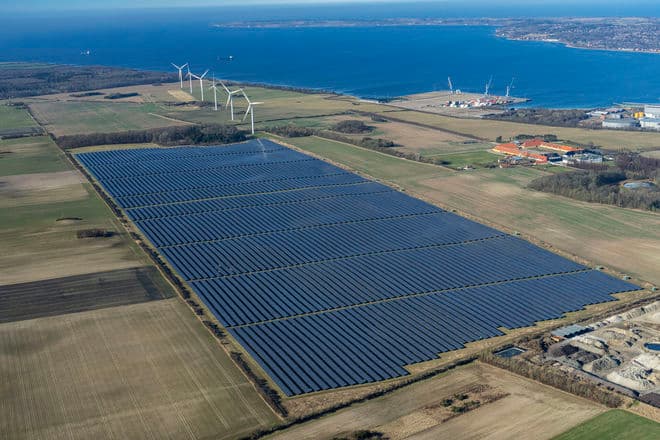
The delays can have a direct impact on the green transition, as the expansion of the electricity grid is a prerequisite for connecting new solar and wind farms.
A well-functioning electricity grid is a key prerequisite for realizing the goal of reducing greenhouse gas emissions by 70 percent in 2030 compared to the level in 1990. This means that both companies and private individuals risk having to wait longer for green electricity.
At the same time, the projects have become more expensive. According to the National Audit Office, the total projects have so far become around ten billion kroner more expensive than planned. The additional bill is expected to be paid by companies and consumers through their electricity bills.
The National Audit Office also points out that Energinet does not have a sufficient overview of the causes of the delays, which makes it difficult to correct them.
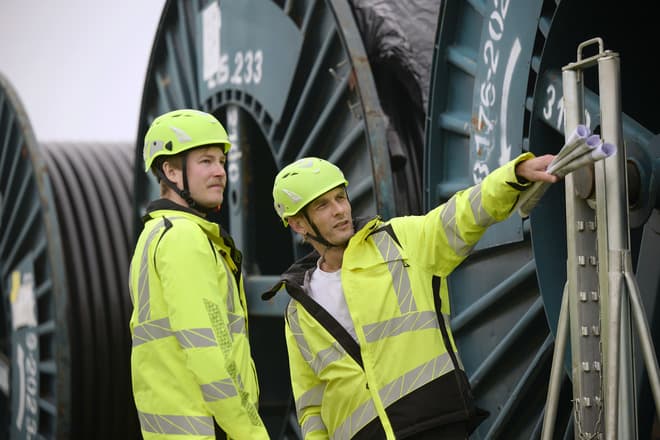
The electricity grid currently comprises approximately 9,000 kilometers of underground cables and overhead lines, and Energinet sees a need to establish an additional 2,700 kilometers by 2030.
/ritzau/
Text, graphics, images, sound, and other content on this website are protected under copyright law. DK Medier reserves all rights to the content, including the right to exploit the content for the purpose of text and data mining, cf. Section 11b of the Copyright Act and Article 4 of the DSM Directive.
Customers with IP agreements/major customer agreements may only share Danish Offshore Industry articles internally for the purpose of handling specific cases. Sharing in connection with specific cases refers to journaling, archiving, or similar uses.
Customers with a personal subscription/login may not share Danish Offshore Industry articles with individuals who do not themselves have a personal subscription to Danish Offshore Industry.
Any deviation from the above requires written consent from DK Medier.