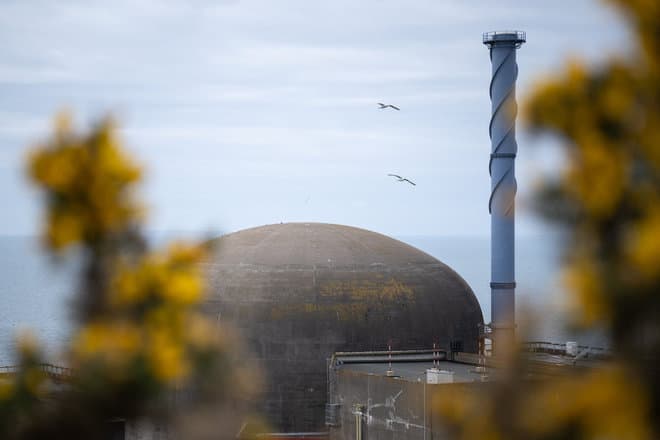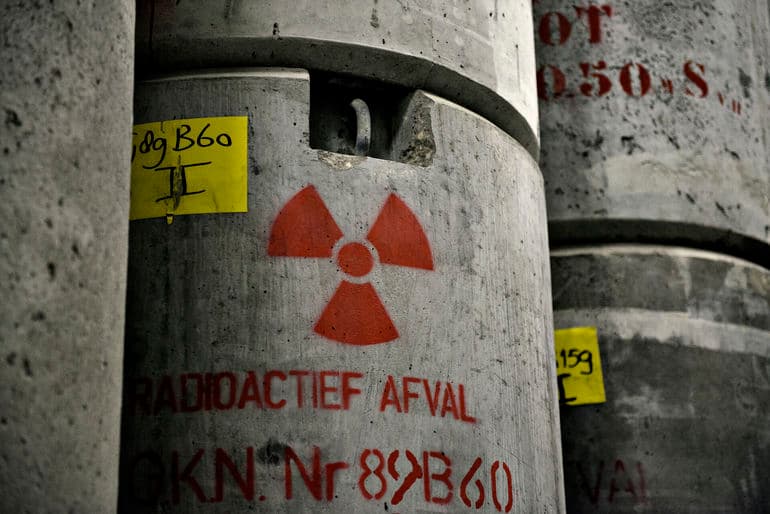
The Swiss company Transmutex is working to develop a reactor that can convert nuclear waste into clean energy. According to the company, a first plant could be ready in 2035, but current legislation in Switzerland prevents the project from being realized. This is reported by the Swiss newspaper Tages-Anzeiger.
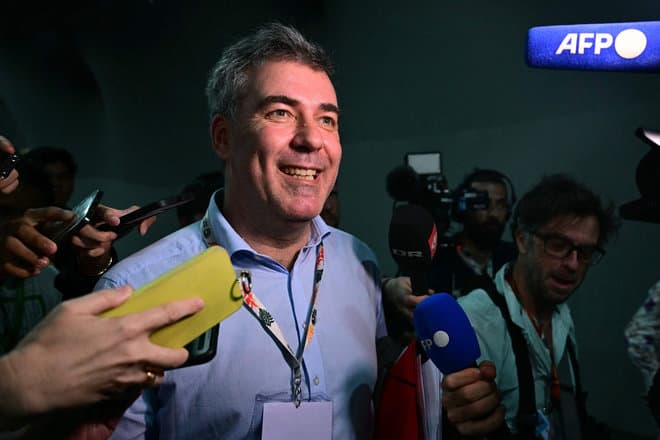
- This is oil for the future, says Franklin Servan-Schreiber, CEO of Transmutex, who elaborates:
- For the next hundred years, this is the biggest opportunity to invest in Swiss technology.
The concept is based on a so-called transmutation, a process in which nuclear waste is broken down into less harmful substances using a particle accelerator. The idea is not new and has previously been studied by researchers at CERN, the European Organization for Particle Physics in Geneva, but no one has yet developed a working prototype. Skeptics point out that the technology is still in its early stages and that there is a risk that thorium-based reactors could produce weapons-grade uranium.
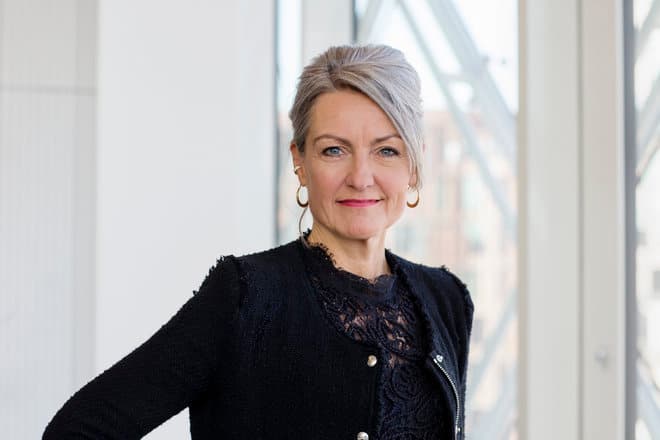
- The challenges of scaling up the technology to industrial scale are also great, says Stephanie Eger, head of the nuclear energy area at the Swiss Energiestiftung.
However, Transmutex has received support from the American nuclear research center in Los Alamos, which has provided a grant of 4.3 million dollars (approximately 29.5 million kroner) for the project.
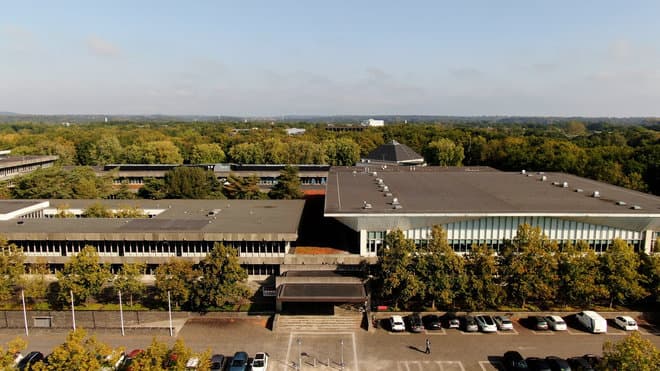
- It is not the technology itself that is remarkable, but that the company is now moving from the design phase to actually testing the hardware, says Andreas Pautz, professor of nuclear engineering at ETH Lausanne.
The project has attracted interest in several countries, including Germany, the United States, Indonesia and India. In Switzerland, however, development has been slowed down by current legislation prohibiting new nuclear power plants. The question of whether nuclear energy should once again play a role in the country's energy supply is, however, up for debate in parliament.
jel
Text, graphics, images, sound, and other content on this website are protected under copyright law. DK Medier reserves all rights to the content, including the right to exploit the content for the purpose of text and data mining, cf. Section 11b of the Copyright Act and Article 4 of the DSM Directive.
Customers with IP agreements/major customer agreements may only share Danish Offshore Industry articles internally for the purpose of handling specific cases. Sharing in connection with specific cases refers to journaling, archiving, or similar uses.
Customers with a personal subscription/login may not share Danish Offshore Industry articles with individuals who do not themselves have a personal subscription to Danish Offshore Industry.
Any deviation from the above requires written consent from DK Medier.