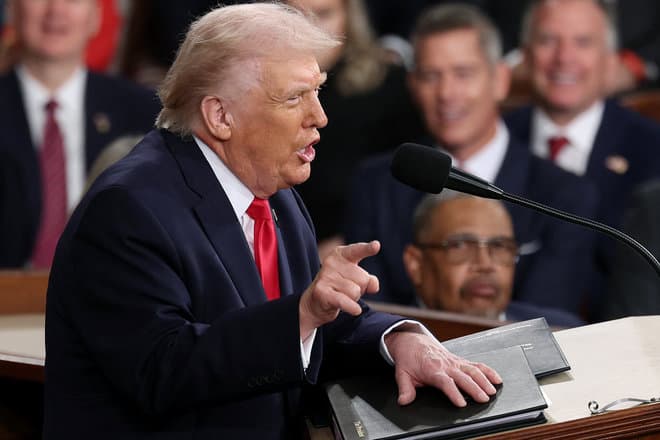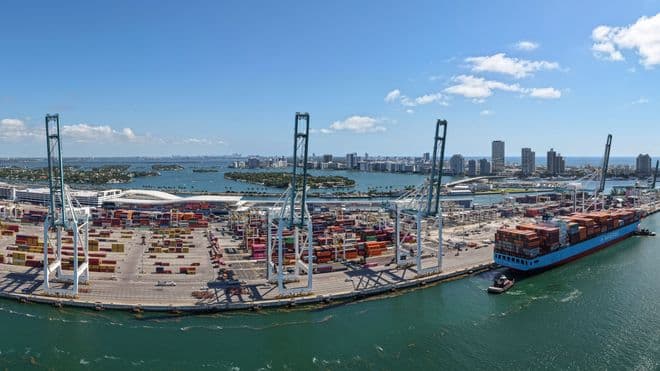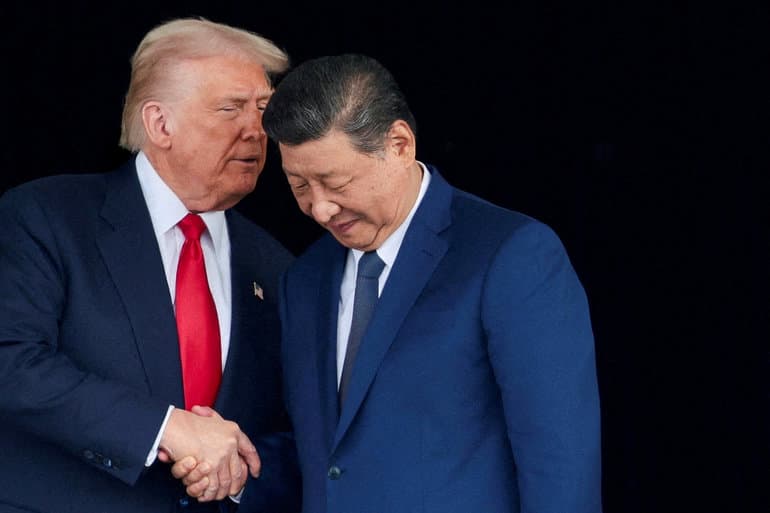
The United States has put plans to sanction China's Ministry of State Security on hold to avoid derailing a trade deal the two countries signed in October, current and former US officials told the Financial Times, speaking on condition of anonymity.
According to the newspaper, the sanctions were imposed because hackers with Chinese ties had carried out a years-long cyber espionage campaign against a number of US and global telecommunications companies. The National Guard of a US state was also among the targets.
But the sanctions have been put on hold. According to several of the sources, US President Donald Trump's administration will not implement any new major export controls with China.
Several unnamed sources told the Financial Times that the Trump administration has shifted to trying to create stability until the US reduces China's dominance in rare earths.
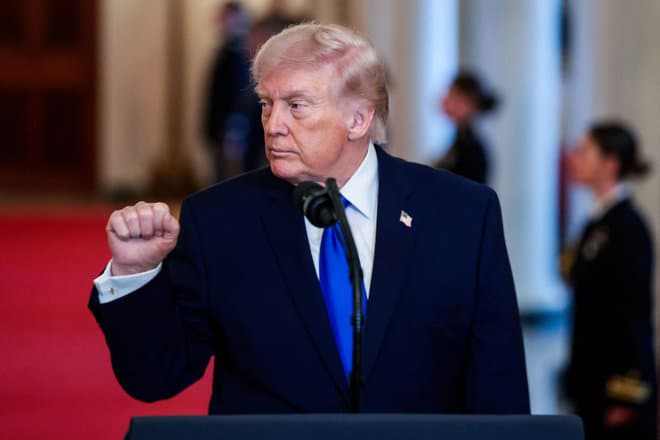
According to the Financial Times, several people within the administration have expressed criticism of the decision. They believe that Trump is willing to sacrifice national security in exchange for trade deals.
It is also said that Trump does not want to jeopardize his visit to the Chinese capital, Beijing, in April. The Reuters news agency was not immediately able to verify the reports. The White House did not immediately respond to Reuters' request for comment.
Agreed on trade deal in October
After a months-long trade war between China and the United States - prompted by US tariffs - Trump and Chinese President Xi Jinping agreed on the framework for a trade deal on October 30.
The United States agreed not to impose a 100 percent tariff on Chinese goods, while China agreed to postpone some of its restrictions on exports of rare earths, minerals and magnets for a year.
China is the world's largest exporter of rare earths.
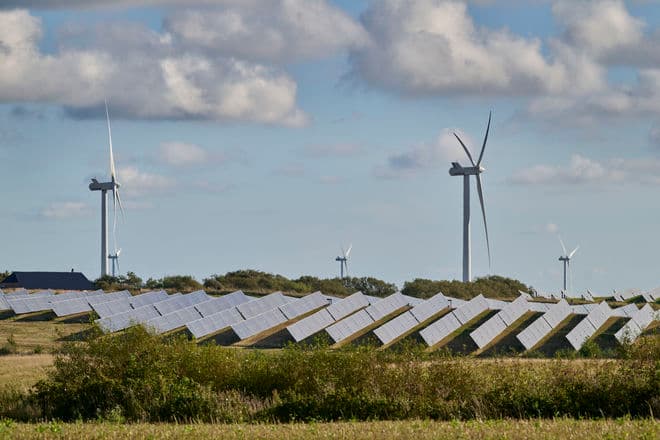
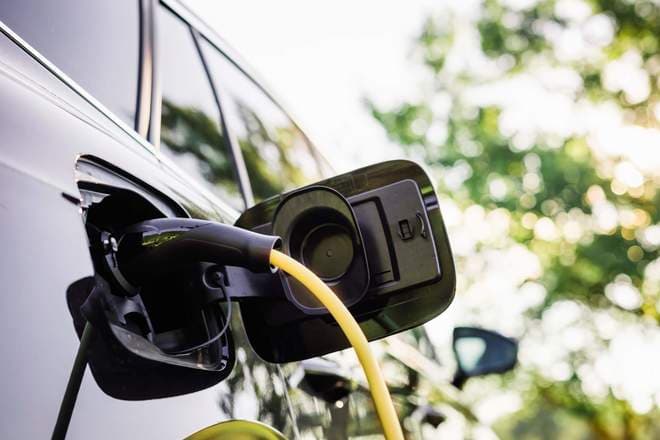
Rare earths are essential in the production of a wide range of technology products - including smartphones, wind turbines, electric cars and military equipment.
In April, China imposed restrictions on seven metals as well as rare earth magnets. This type of magnet is extremely strong and is used for electric cars, smartphones and computers, among other things.
/ritzau/
Text, graphics, images, sound, and other content on this website are protected under copyright law. DK Medier reserves all rights to the content, including the right to exploit the content for the purpose of text and data mining, cf. Section 11b of the Copyright Act and Article 4 of the DSM Directive.
Customers with IP agreements/major customer agreements may only share Danish Offshore Industry articles internally for the purpose of handling specific cases. Sharing in connection with specific cases refers to journaling, archiving, or similar uses.
Customers with a personal subscription/login may not share Danish Offshore Industry articles with individuals who do not themselves have a personal subscription to Danish Offshore Industry.
Any deviation from the above requires written consent from DK Medier.