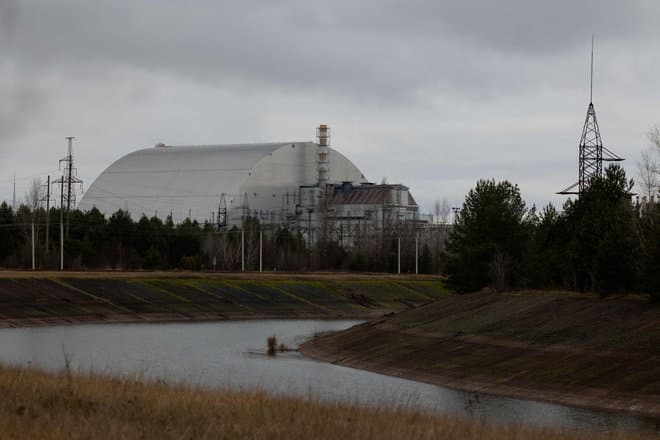

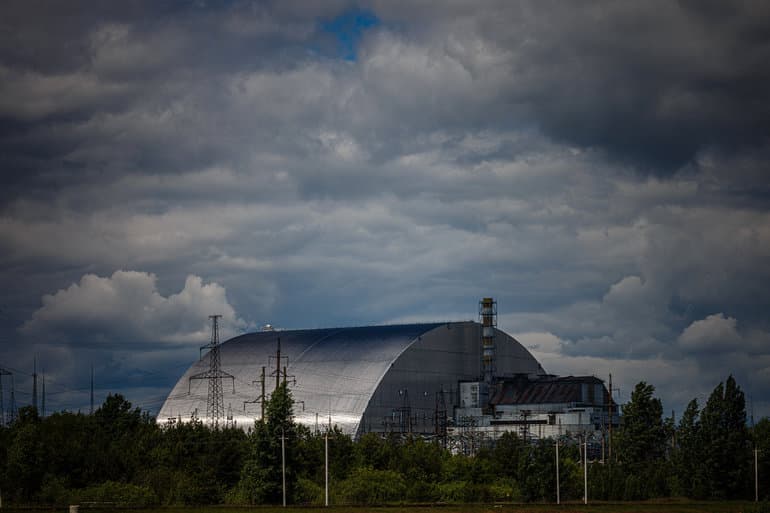
A massive steel structure built to contain radioactive material at the defunct Chernobyl nuclear power plant in Ukraine has been damaged, the UN's International Atomic Energy Agency (IAEA) said.
An inspection of the nuclear power plant last week found that the steel structure, which was completed in 2019, was damaged by a drone strike that took place in February during the war in Ukraine.
Rafael Grossi, head of the UN's atomic energy agency, said in a statement that the inspection of the nuclear facility confirmed that the structure "had lost its primary safety functions" - including the ability to keep it completely sealed.
The inspection of the facility also confirmed that there was no permanent damage to the supporting structures. According to Grossi, repairs have already been made to the steel structure.
- But extensive restoration remains essential to prevent further deterioration and ensure long-term nuclear safety, he says.
Ukrainian authorities said in mid-February that a drone had hit the Chernobyl plant, causing a fire and damaging the protective structure around nuclear reactor 4, which was destroyed in the 1986 disaster. According to Ukrainian authorities, it was a Russian drone. Russia denied attacking the Chernobyl plant.
According to the UN, the level of radioactive radiation was subsequently normal and stable, and there were no reports of leaks.
The Chernobyl accident is considered the worst nuclear accident ever. In 1986, one of the reactors at the nuclear power plant exploded, sending a radioactive cloud over Europe. The plant's last operating reactor was shut down in 2000.
Russia took control of the Chernobyl plant and the surrounding area for more than a month in the first weeks of its invasion of Ukraine in February 2022. This happened as Russian forces tried to advance towards the Ukrainian capital, Kyiv.
The IAEA's Chernobyl investigation was carried out at the same time as a nationwide review of substations damaged in the nearly four-year war.
/ritzau/Reuters
Text, graphics, images, sound, and other content on this website are protected under copyright law. DK Medier reserves all rights to the content, including the right to exploit the content for the purpose of text and data mining, cf. Section 11b of the Copyright Act and Article 4 of the DSM Directive.
Customers with IP agreements/major customer agreements may only share Danish Offshore Industry articles internally for the purpose of handling specific cases. Sharing in connection with specific cases refers to journaling, archiving, or similar uses.
Customers with a personal subscription/login may not share Danish Offshore Industry articles with individuals who do not themselves have a personal subscription to Danish Offshore Industry.
Any deviation from the above requires written consent from DK Medier.