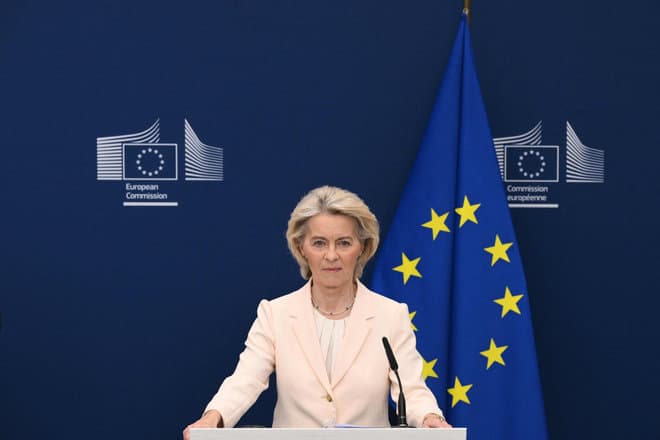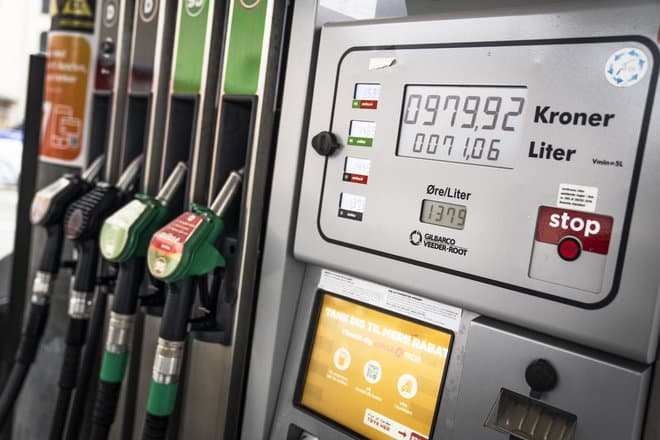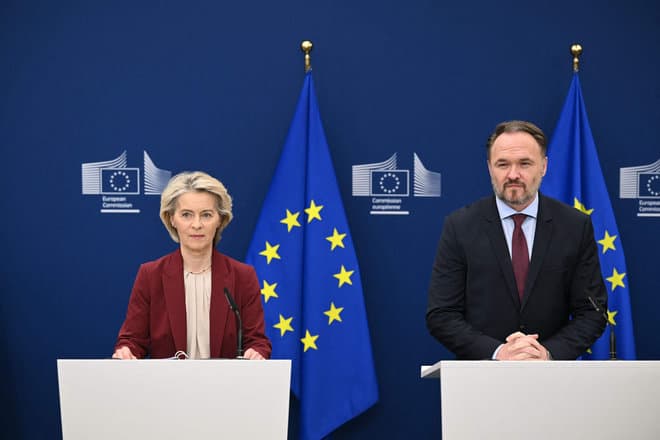
EU countries will cooperate in the attempt to bring down high energy prices. But how this will happen in practice remains unclear after the last day of the EU summit in Brussels, which ended on Friday.
Here, the heads of state and government worked overtime to find a solution to the high prices that pose challenges for households and businesses in EU countries.
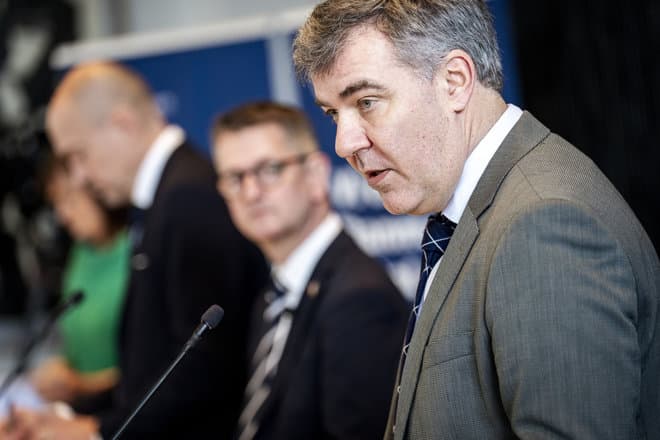
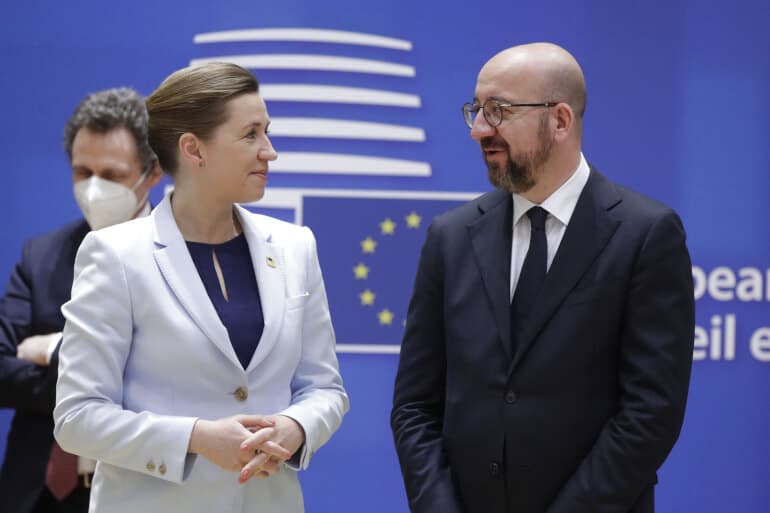
- We have spent time discussing what is on the minds of all Europeans right now. Namely, what do we do about rising energy prices. How do we look after businesses and consumers. The EU Commission has been asked to start looking into this seriously, says Mette Frederiksen.
No solutions
The EU leaders thus failed to find an answer after a difficult discussion in which the disagreements are deep. While countries like Spain advocate market intervention and EU support to bring prices down, Denmark is reluctant to intervene in market forces. However, Prime Minister Mette Frederiksen does not rule out any solutions after the summit.
- We are seeing both increased prices for electricity and gas. It is serious in many households. There are things we can do nationally, and we are working on them, and then there are things we can do at the European level. But it is not easy, says Mette Frederiksen.
She points out that one must be "careful" about intervening in market forces. EU countries could do this, for example, by supporting fossil fuels or introducing price caps on what electricity and gas can be sold for. But countries like Germany, the Netherlands and Denmark are concerned that it will affect the green transition or cause energy providers to look for other customers.
- We have not decided exactly how to bring prices down. But we are looking at things like taxes, fees and also the question of whether you can regulate directly in the market mechanism, but that could delay the green transition or give us other stumbling blocks, says Mette Frederiksen.
Need for more support
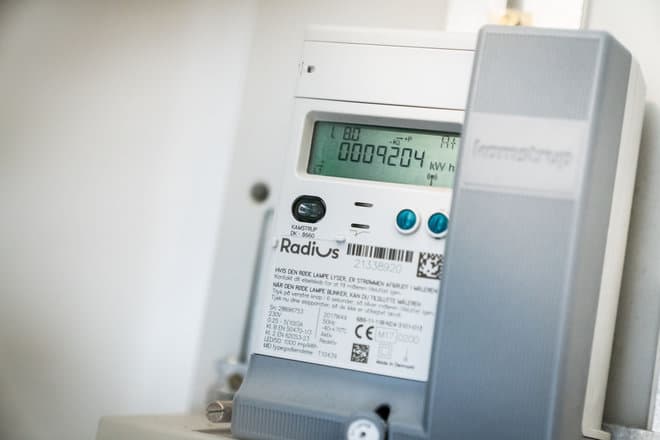
In Denmark, the government has agreed on a heat check with the parties in the Folketing to help households that have difficulty paying their energy bills.
- The heat check is clearly not enough. Now the negotiations are on chapter two, and there will also be a chapter three in this area. The combination of inflation and rising energy prices is putting a strain on the finances of many families, so we must react. Knowing full well that we cannot compensate one for one, says Mette Frederiksen.
According to the Danish Prime Minister, the EU countries have also discussed using money from the EU budget to keep prices down.
- Denmark's position on it depends on how it is done. We need to spend large sums to pay for the many refugees, to strengthen our defense and to pay for the rising energy prices. No one can afford it all, so there will be some difficult priorities in all countries. Also in Denmark, says Mette Frederiksen.
Ritzau
Text, graphics, images, sound, and other content on this website are protected under copyright law. DK Medier reserves all rights to the content, including the right to exploit the content for the purpose of text and data mining, cf. Section 11b of the Copyright Act and Article 4 of the DSM Directive.
Customers with IP agreements/major customer agreements may only share Danish Offshore Industry articles internally for the purpose of handling specific cases. Sharing in connection with specific cases refers to journaling, archiving, or similar uses.
Customers with a personal subscription/login may not share Danish Offshore Industry articles with individuals who do not themselves have a personal subscription to Danish Offshore Industry.
Any deviation from the above requires written consent from DK Medier.