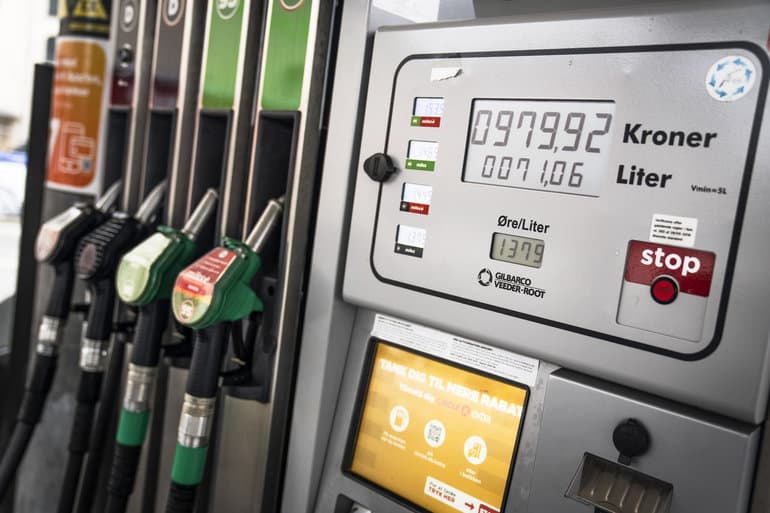
The conflict in the Middle East has sent the price of oil and gas up. For Danish consumers, this means that it will be more expensive to fill up the car with gasoline or diesel.
The price of oil thus rose on Monday by seven to eight percent compared to the price at which oil was traded before the American and Israeli attacks on Iran began over the weekend.
But for now, there is no reason to fear the next trip to the gas station, says private economist at Danske Bank Louise Aggerstrøm Hansen.
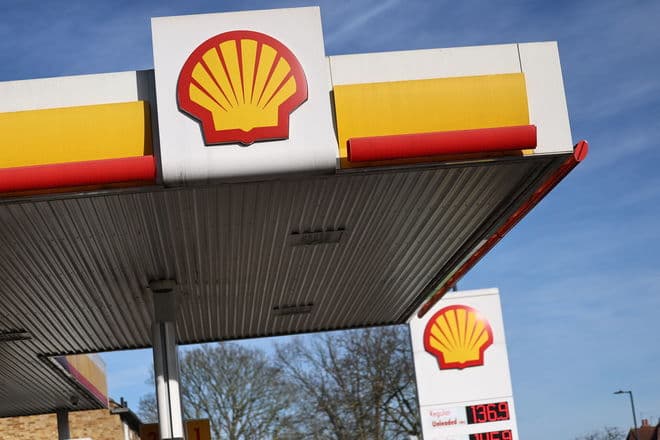
- For an average family, the increase will mean that it will be between 30 and 40 kroner more expensive per month to refuel.
The calculated additional cost is a snapshot that may change, depending on how the conflict develops, she emphasizes.
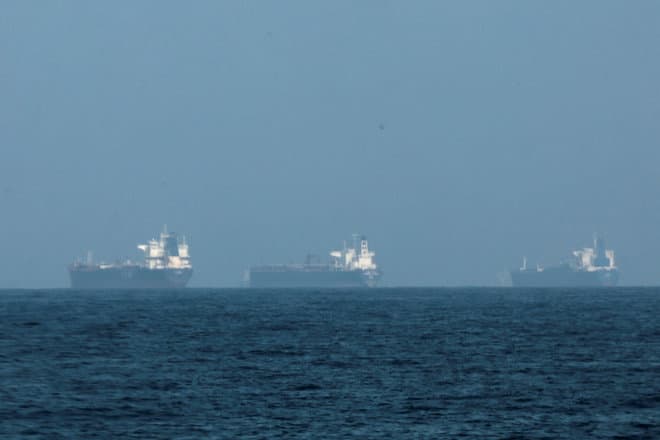
The Strait of Hormuz, through which 20 percent of the world's oil passes, is crucial. The strait, which lies between the Persian Gulf and the Gulf of Oman, and is one of the busiest straits in the world, was only partially open on Monday.
As a result of the attacks, several ships have rerouted. This could mean that the oil will have to be transported by another route, which takes longer and thus costs more.
But even if the Strait of Hormuz were to close completely, there is no reason to panic, says Louise Aggerstrøm Hansen, referring to the fact that other countries will be able to increase their oil production and thus compensate for the loss of Iranian oil.
Sydbank is also following the development closely without being "overly concerned", writes chief economist Søren Kristensen in a press release.
Although traffic through the Strait of Hormuz on Monday was affected by the conflict, it will primarily affect Iran. At least initially.
- A prolonged blockage will also cause headaches elsewhere. This also applies to Europe, where after a harsh winter we have relatively depleted gas stocks. It is not only oil, but also natural gas that flows through the Strait of Hormuz, writes Søren Kristensen.
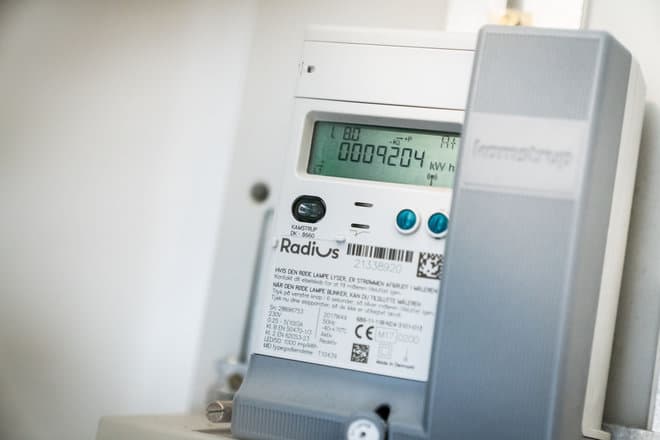
The gas price, which has increased by 25 percent as a result of the conflict, has a direct impact on the price of electricity. It has increased by around eight percent.
The increase is due to the fact that a large part of electricity production is still based on gas, according to the energy company OK.
Therefore, as an electricity customer, it is wise to keep an eye on the price and adjust your consumption, says communications manager Jens Bomholt in a press release.
- Whether the increases in oil and gas - and thus electricity - will continue is still unknown. No one knows how long this war will continue, but if we are talking more about weeks than days, we have probably not seen the last price increase yet.
The crisis also left its mark on the Danish stock market on Monday. But the reaction was, as with energy prices, restrained, and head of equity research Jacob Pedersen from Sydbank does not expect the unrest to cause major stock market turmoil.
- The stock market has reacted very mutedly to acts of war in recent years.
- Oil price increases can boost earnings. But we do not expect any major earnings setbacks, he writes in a comment.
When the high level of conflict in the Middle East has such a relatively limited impact, it is because the attack occurs at a time when oil prices are not particularly high and when the global economy is doing well, explains chief strategist at Danske Bank Frank Øland.
- Unless access to oil in the Strait of Hormuz is prevented for a longer period, there is nothing to prevent this positive scenario from continuing - even if there is unrest in the Middle East.
As expected, investors fled to gold and silver on Monday. The price of both precious metals rose to a new record level.
/ritzau/
Text, graphics, images, sound, and other content on this website are protected under copyright law. DK Medier reserves all rights to the content, including the right to exploit the content for the purpose of text and data mining, cf. Section 11b of the Copyright Act and Article 4 of the DSM Directive.
Customers with IP agreements/major customer agreements may only share Danish Offshore Industry articles internally for the purpose of handling specific cases. Sharing in connection with specific cases refers to journaling, archiving, or similar uses.
Customers with a personal subscription/login may not share Danish Offshore Industry articles with individuals who do not themselves have a personal subscription to Danish Offshore Industry.
Any deviation from the above requires written consent from DK Medier.