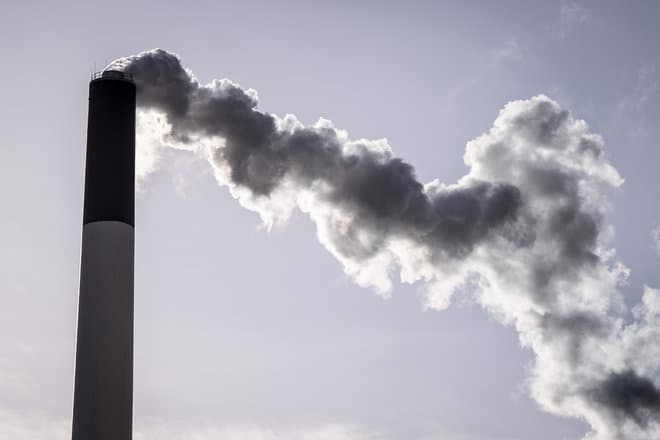
The government and even Prime Minister Mette Frederiksen (S) repeatedly emphasize that they have shown the way to achieving the 2030 climate target of a 70 percent CO2 reduction.
But there are such significant uncertainties associated with the government's climate policy and its expectations for this that the achievement may risk being lost shortly before the deadline. In a new report, the Climate Council assesses that several of the central initiatives in the government's climate policy are fraught with great uncertainty.
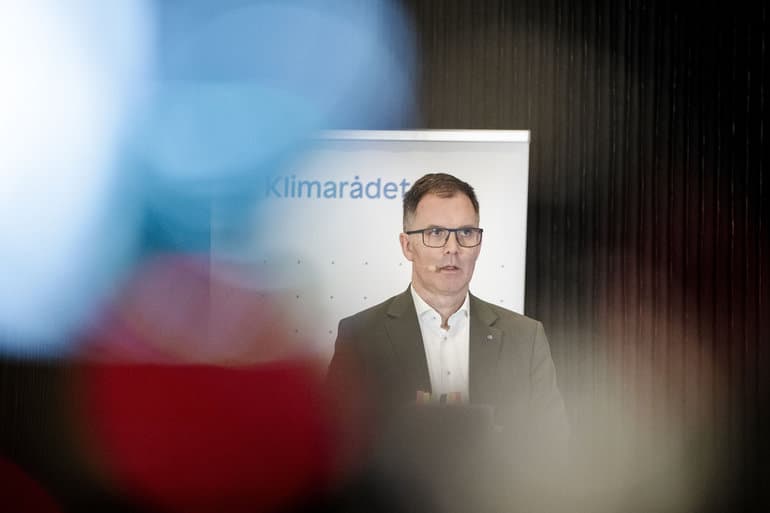
- There are uncertainties in both directions, but this may mean that we do not achieve our climate target, says Peter Møllgaard, chairman of the Climate Council.
This is stated in the so-called commentary on the latest climate projection from the Ministry of Climate, Energy and Utilities. If everything goes as expected, the 70 percent target will be met, it shows. But delays or challenges in just a few sectors could change this.
High risk regarding CCS potential
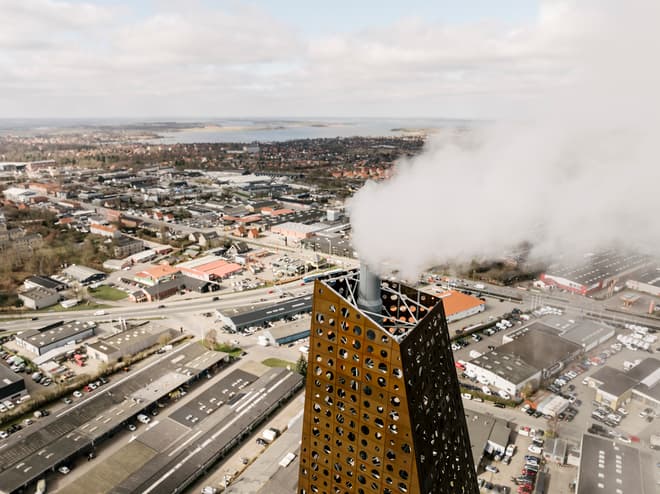
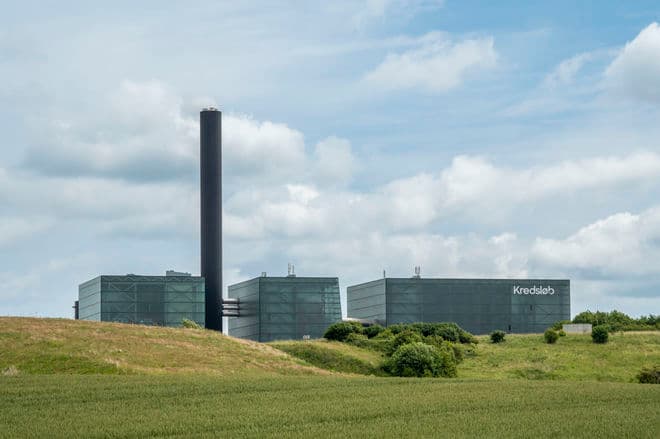
There are particular uncertainties in the expectations for CO2 reductions from the transport sector, agriculture and the large focus on CO2 capture and storage.
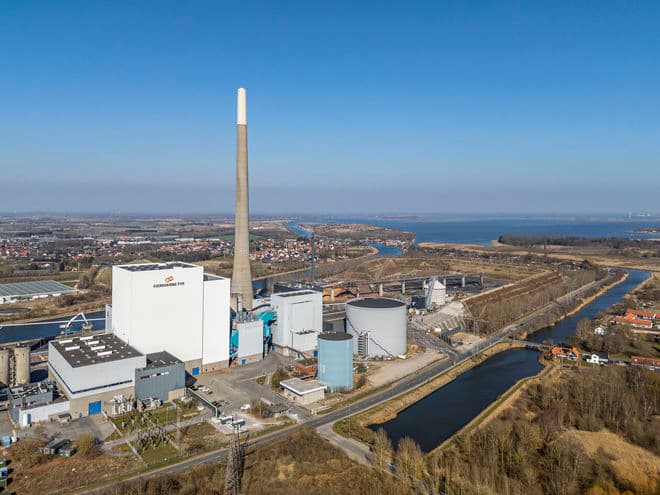
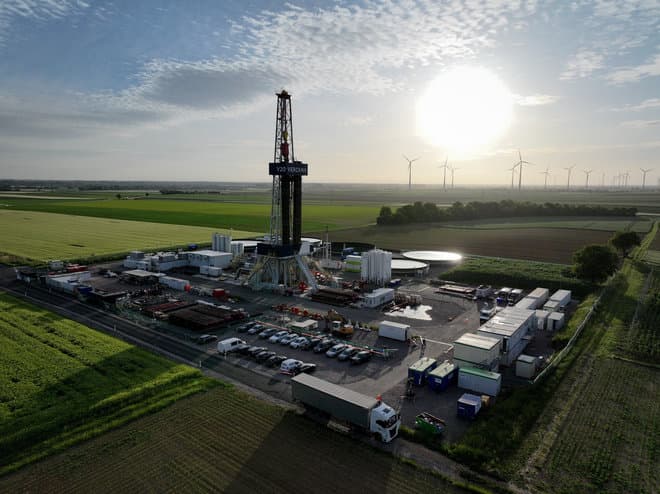
Specifically, the Climate Council points out that there is a "high risk" that the expectations for reductions from CO2 capture and storage are overestimated. This is largely due to the fact that work is being done with a very rapid phasing in of large reductions.
In 2028, 0.2 million tonnes of CO2 are expected to be captured. The following year, this is expected to have increased to 2.2 million tonnes. It is such a rapid increase just before the deadline that the Climate Council will have to sound the alarm.
- Realizing 2.2 million tons of CO2 annually from 2029 requires significant scaling up in a relatively few years. This entails a certain risk of delays in one or more of the many links, the report says.
Peter Møllgaard elaborates that delays and errors here could be decisive for achieving the 2030 target.
- We cannot be sure that the reductions will be as large as the projection assumes. And since many tons are involved, it could have a major impact on target achievement if the reductions do not come quickly enough.
Another major climate benefit that the government expects in the coming years is the faster replacement of fossil-fuel cars with electric cars.
However, a large part of the expected reduction stems from a change in the computational assumptions that the spread of electric cars is largely driven by collective behavioral effects. This is “an assumption that is associated with great uncertainty,” it says.
If market developments or political regulation change at some point in the future, price increases could put a damper on the reductions from electric cars. The Climate Council also assesses that the agricultural policy from the green tripartite also brings uncertainties.
Minister: Denmark is on the right course
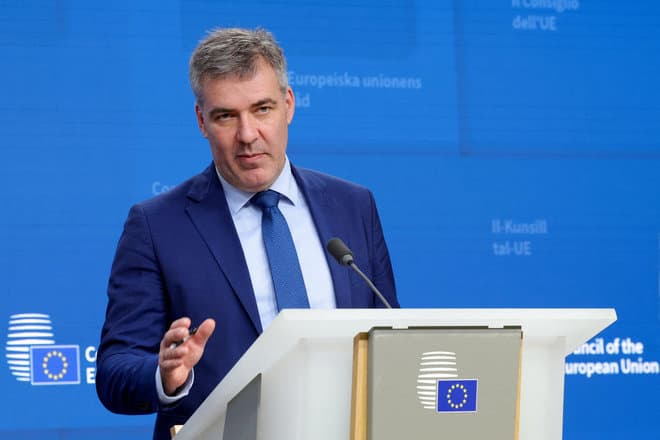
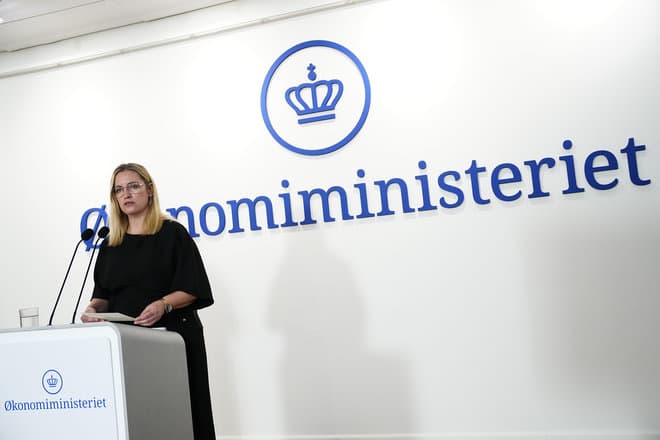
Minister of Climate, Energy and Utilities Lars Aagaard (M) says in a written comment that Denmark is on the right course.
- We must of course ensure that we reach our 2030 target. Five years before the finish line, we are fortunately on the right track, and we are in a better position than we were last year. I agree with the Climate Council that, quite naturally, there are still uncertainties when we are so far from the deadline. Therefore, our task now is to ensure that the political agreements are implemented and to follow developments closely, says the minister.
/ritzau/
Text, graphics, images, sound, and other content on this website are protected under copyright law. DK Medier reserves all rights to the content, including the right to exploit the content for the purpose of text and data mining, cf. Section 11b of the Copyright Act and Article 4 of the DSM Directive.
Customers with IP agreements/major customer agreements may only share Danish Offshore Industry articles internally for the purpose of handling specific cases. Sharing in connection with specific cases refers to journaling, archiving, or similar uses.
Customers with a personal subscription/login may not share Danish Offshore Industry articles with individuals who do not themselves have a personal subscription to Danish Offshore Industry.
Any deviation from the above requires written consent from DK Medier.