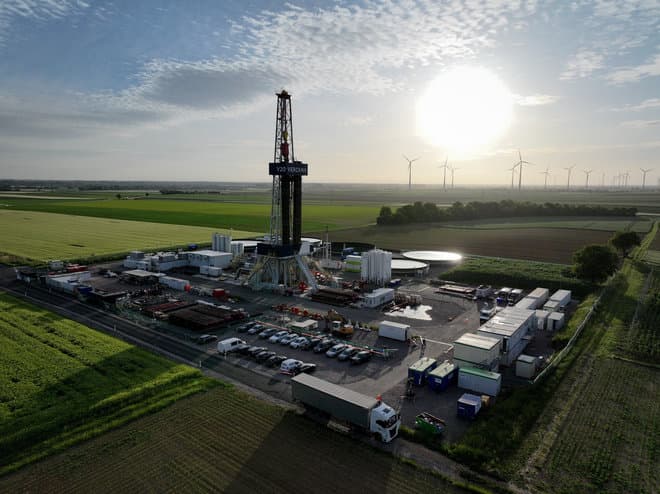
There is a big focus on capturing CO2 and storing it underground, and now Denmark's first CO2 storage facility is ready for the next step. The pilot phase is over, a report has been sent to the authorities, and if they give the nod, work on the climate measure can begin.
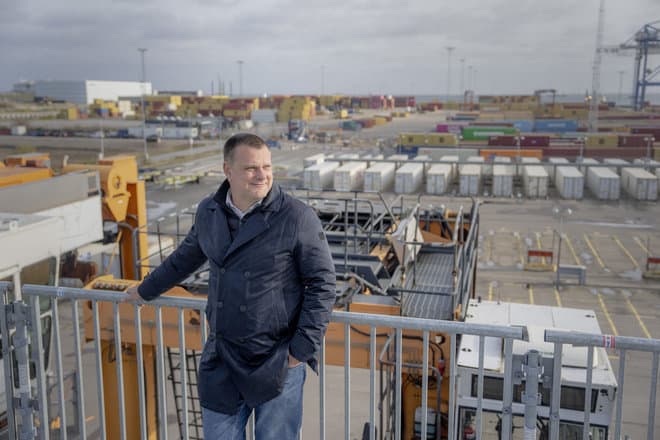
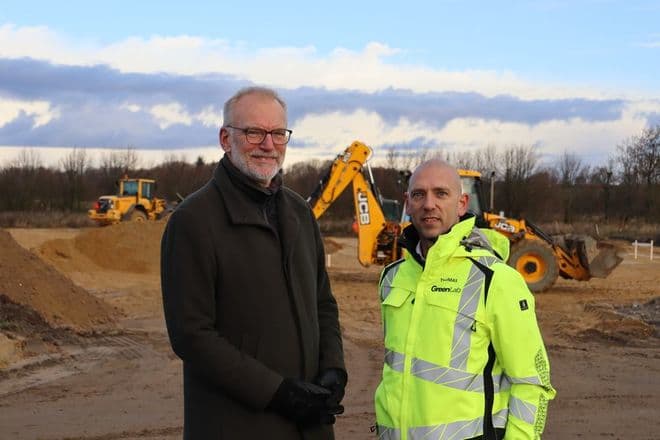
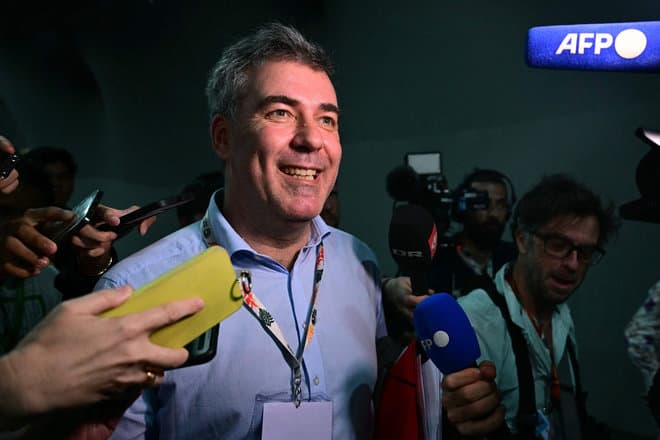
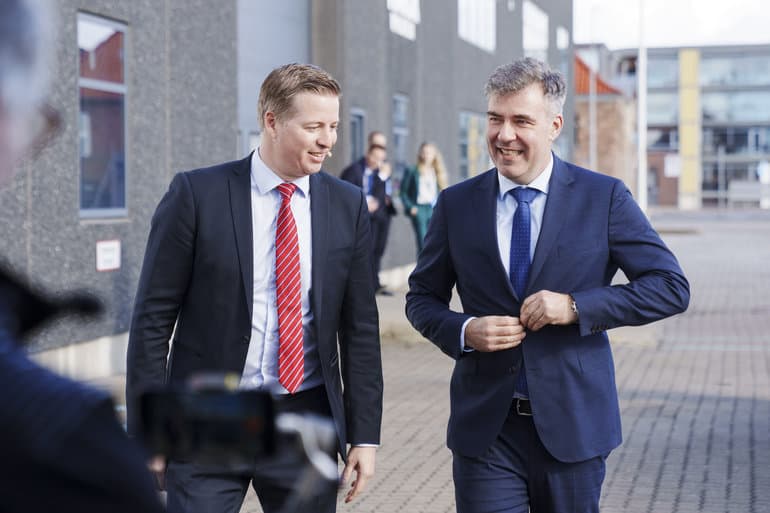
- We are ready with the storage facility. We have a value chain ready, the technology is there, and we have made most of the agreements ready to sign and get to the finish line, says Mads Gade.
He is country manager in the Danish part of Ineos Energy, which has been the lead partner in the project with a total of 23 partners. It has been running for a year and a half, and in the pilot phase 15,000 tons of CO2 had to be stored. This corresponds to the annual emissions of 2,000 Danes.
It was supposed to show that it could be done safely and permanently, and Mads Gade says that the CO2 behaved as expected in the former oil field. He will not answer exactly how much has been stored.
- We have not stored the full 15,000 tons, but somewhere between these figures, where we got enough data that we thought it was enough.
The experiences have been verified by an independent company and now sent to the authorities in a report that Ritzau has not seen. According to the country manager, it is knowledge from many years of oil extraction that means that you can also be sure that the CO2 will be there in the future.
- When it has been stored in the same way for so many years, we have a very good sense of security that we can store CO2 completely in the same way.
More support is needed
One thing, however, is that CO2 can be hidden away. Another thing is the price. According to Mads Gade, we are not yet at a point where there is a balance between the price of emitting and burying it. Subsidies are needed, he believes.
- But as the price (in the form of taxes, ed.) increases, there will come a balance point. Many believe that it will land just before 2030. It is clear that this must be scaled up, and that we must have a certain size, because then the price will also fall, it is said.
If the parties get the green light, they will store 400,000 tons of CO2 per year under the North Sea from the end of 2025 or the beginning of 2026. That is less than the 1.5 million tons that appear on the project's website, but still the start that, according to Mads Gade, made sense.
- That is what we have been able to get a good value chain going around, so that is what we have started with. But that does not mean that we will not go further.
From 2030, the plan is 8 million tons per year, and according to the country manager, there are great prospects for storing CO2 for Denmark. Other countries are not "privileged" with the storage options that Denmark has - potentially both on land and at sea.
- I believe that we have the opportunity to take a really large part of the market, and that it will be a great business adventure for Denmark.
/ritzau/
Text, graphics, images, sound, and other content on this website are protected under copyright law. DK Medier reserves all rights to the content, including the right to exploit the content for the purpose of text and data mining, cf. Section 11b of the Copyright Act and Article 4 of the DSM Directive.
Customers with IP agreements/major customer agreements may only share Danish Offshore Industry articles internally for the purpose of handling specific cases. Sharing in connection with specific cases refers to journaling, archiving, or similar uses.
Customers with a personal subscription/login may not share Danish Offshore Industry articles with individuals who do not themselves have a personal subscription to Danish Offshore Industry.
Any deviation from the above requires written consent from DK Medier.