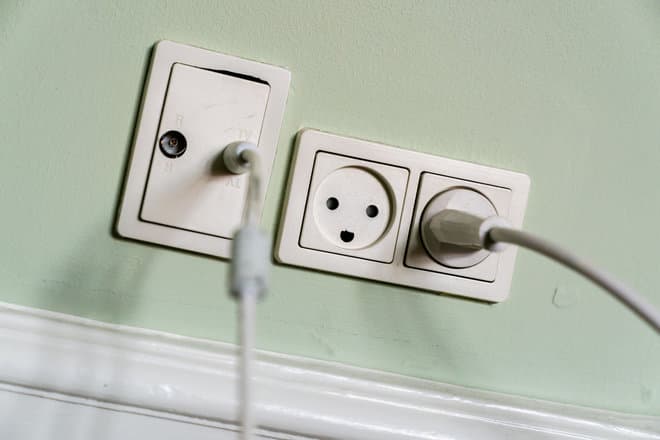
With the transition to April, Danish households have the prospect of lower electricity bills. On April 1, the grid companies will change the prices for transporting electricity - the so-called grid tariffs.
For example, in the grid company N1's coverage area, which includes 800,000 private electricity consumers in Jutland, this means that the grid tariff during the peak load period from 17-21 will fall from 99 øre per KWh to 43 øre per KWh. From 6 am to 5 pm and from 9 pm to midnight it drops from 33 to 11 øre, while it remains unchanged at night.
The reason is that the pressure on the electricity grid decreases in the summer, when, for example, not nearly as much electricity is used for the heat pumps that heat the houses.
Yet there is still a need to shift as much of the consumption away from the peak period, explains Daniel Skovsbo Erichsen, customer and development director at N1.
- If everyone just uses a lot of electricity in the afternoon and evening, it will require an expensive and time-consuming upgrade of the electricity grid. By spreading electricity consumption throughout the day, we get more for the money we are already investing in expanding the electricity grid to an electrified society, he says.
The Danes have improved their electricity habits
According to Daniel Skovsbo Erichsen, N1 can register that electricity customers have taken note of the increased tariffs during the peak period.
- We can see that some of the consumption has shifted to the night. Of course, people still cook between 5 and 9 p.m., but many have found, for example, that there is money to save by charging their electric car at night, he says.
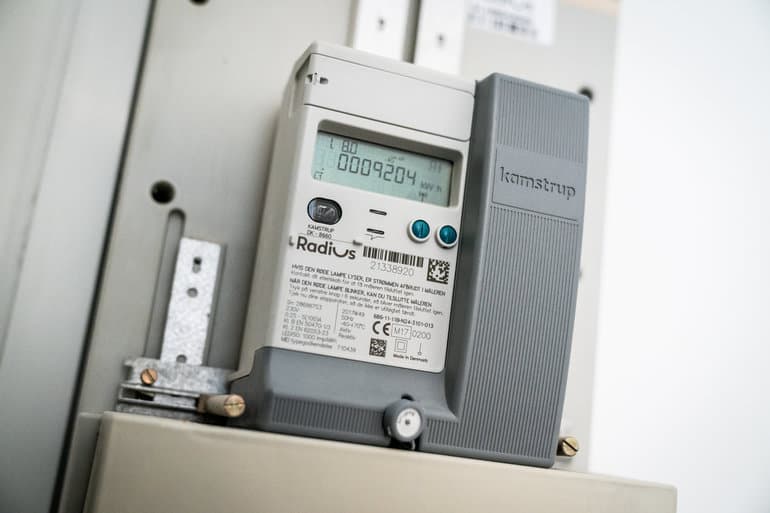
As mentioned, N1 is not the only grid company that is lowering tariffs. At Radius, which supplies electricity to most of the Copenhagen area and North Zealand, the tariff during the peak period falls from 109 øre to 47 øre, i.e. a discount of 62 øre per KWh.
The grid tariff only constitutes a part of the total electricity price. On top of that, a so-called system tariff for Energinet, electricity tax, the pure electricity price and VAT must be added. In addition, private electricity customers also pay an annual subscription fee for their electricity meter.
/ritzau/
Text, graphics, images, sound, and other content on this website are protected under copyright law. DK Medier reserves all rights to the content, including the right to exploit the content for the purpose of text and data mining, cf. Section 11b of the Copyright Act and Article 4 of the DSM Directive.
Customers with IP agreements/major customer agreements may only share Danish Offshore Industry articles internally for the purpose of handling specific cases. Sharing in connection with specific cases refers to journaling, archiving, or similar uses.
Customers with a personal subscription/login may not share Danish Offshore Industry articles with individuals who do not themselves have a personal subscription to Danish Offshore Industry.
Any deviation from the above requires written consent from DK Medier.