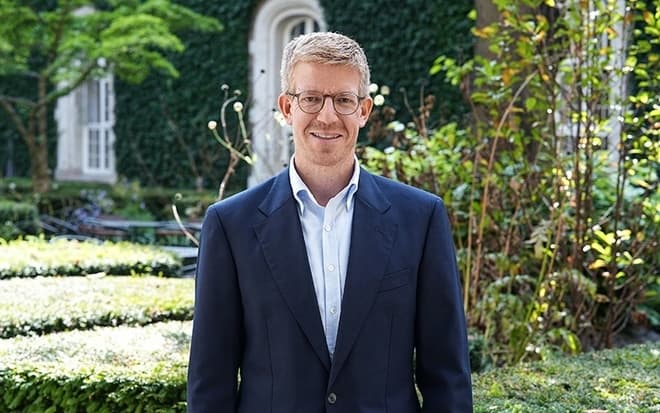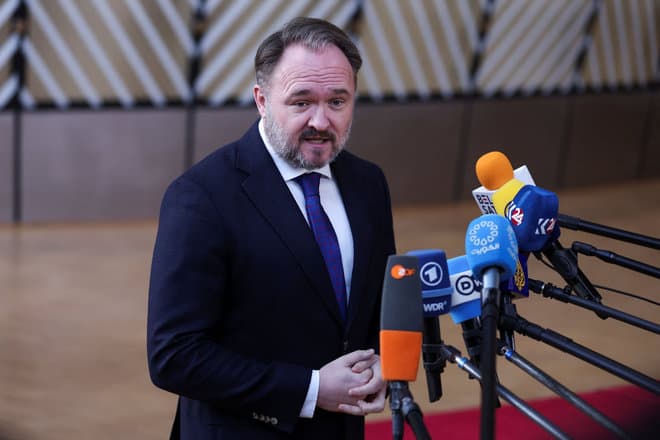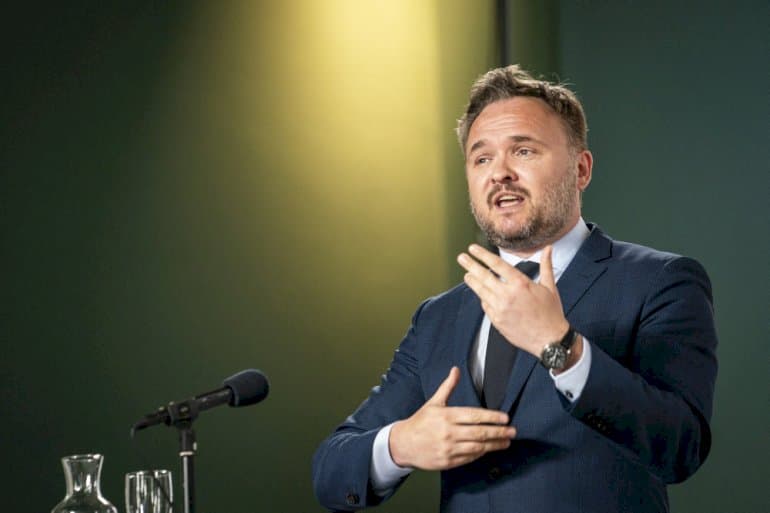
Climate Minister Dan Jørgensen (S) was very satisfied. But the government did not have many fans among its supporting parties for the first part of the climate action plan, which was presented on Wednesday.
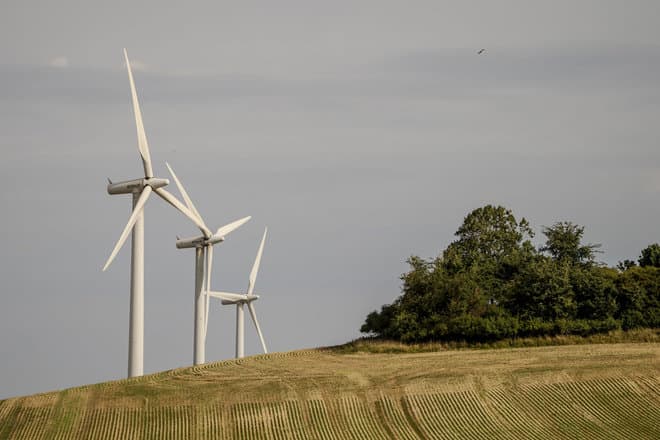
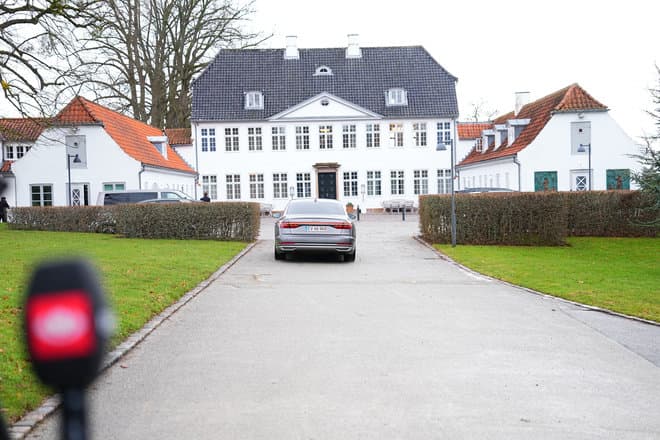
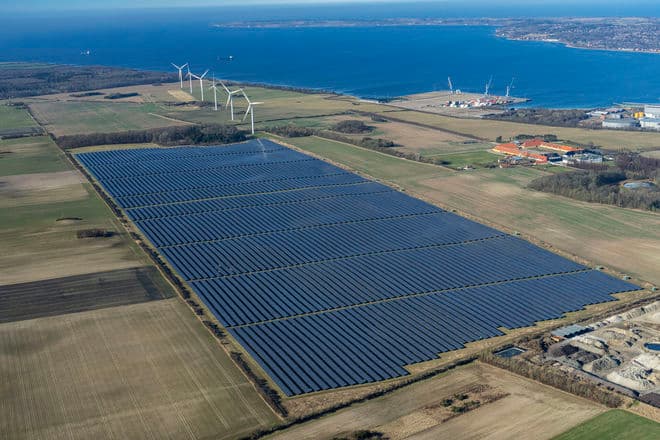
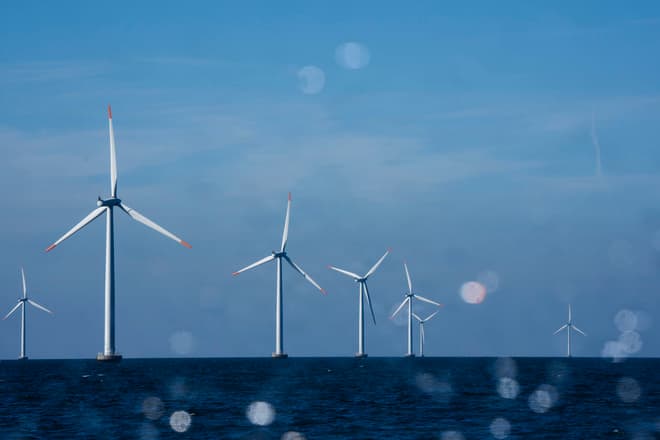
Here Dan Jørgensen was standing in the Ministry of Finance and talking about an epoch-making initiative in the fight for a better climate. Specifically in the form of two energy islands, the first in the world, which will be ready in the North Sea and the Baltic Sea respectively by 2030.
They are to ensure a more efficient use of offshore wind resources far from the coasts and reduce the need for new electricity pylons on land. But that was not enough to satisfy the Radical Party, the Socialist Party and the Unity Party.
- Now they (the government, ed.) have had a year to deliver. What is coming now is a few drips where you screw up some small things and don't take the big tools out of the toolbox, said deputy climate spokesman for the Radical Party Ruben Kidde.
In December last year, a broad majority in the Folketing agreed that Denmark must have reduced CO2 emissions by 70 percent by 2030 compared to the level in 1990.
Demands CO2 tax
Among other things, the supporting parties would have liked to see a complete stop to oil and gas boilers in 2025 in the plan. The government's climate action plan allocates 2.3 billion kroner. DKK, which will go towards replacing oil and natural gas boilers with green heat.
The government expects that this will result in a conversion of 20,000-40,000 oil boilers and 50,000-80,000 gas boilers in the next four years. In Denmark, there are approximately 80,000 oil boilers and 380,000 gas boilers.
- The government is spending a lot of money, but is only getting a short way, says SF climate spokesperson Signe Munk, while the Green Party's climate spokesperson, Mai Villadsen, calls the plan a free pass for industry.
The supporting parties have also criticized the government's refusal to increase CO2 taxes, as the Climate Council has otherwise proposed. The government has so far rejected this because the corona crisis has resulted in thousands of Danes losing their jobs and businesses having to close.
The criticism is expected, but unfortunate, according to Climate Minister Dan Jørgensen.
- I must admit that I am a little surprised that so much energy is spent on criticizing what is not included. Especially because we say that it is something we will negotiate later.
- And no more energy to rejoice in what has been achieved, says Dan Jørgensen with specific reference to the two energy islands.
Satisfied industry
The Minister for Climate Change should instead be pleased that the climate action plan is being heard by large parts of the business community.
Among others, the Confederation of Danish Industry (DI) was pleased that CO2 taxes will not be increased this time.
- Especially on the way out of a crisis, it does not make sense to impose higher taxes on companies.
- But it is also important to state that we want to succeed in our ambitions of a real reduction of CO2.
- We do not want emissions to move abroad, and there is a great risk of that if companies will be imposed a high CO2 tax, says a written comment from the CEO of DI Lars Sandahl Sørensen.
Ritzau
Text, graphics, images, sound, and other content on this website are protected under copyright law. DK Medier reserves all rights to the content, including the right to exploit the content for the purpose of text and data mining, cf. Section 11b of the Copyright Act and Article 4 of the DSM Directive.
Customers with IP agreements/major customer agreements may only share Danish Offshore Industry articles internally for the purpose of handling specific cases. Sharing in connection with specific cases refers to journaling, archiving, or similar uses.
Customers with a personal subscription/login may not share Danish Offshore Industry articles with individuals who do not themselves have a personal subscription to Danish Offshore Industry.
Any deviation from the above requires written consent from DK Medier.