The Danish Electricity Supply Authority has initiated an inspection of four grid companies – Cerius A/S, Elektrus A/S, Ikast Elnet A/S and TREFOR El-net A/S – to investigate whether their division into temporal load zones – including peak, high load and low load periods – is consistent with the actual load patterns in the electricity grid.
This is what the Danish Electricity Supply Authority writes.
The inspection focuses on whether the zone division in the companies' tariff models is based on a documented basis and whether it is adapted to the conditions in the individual grid. This applies to customers at lower voltage levels, including household consumers – the so-called C-customers.
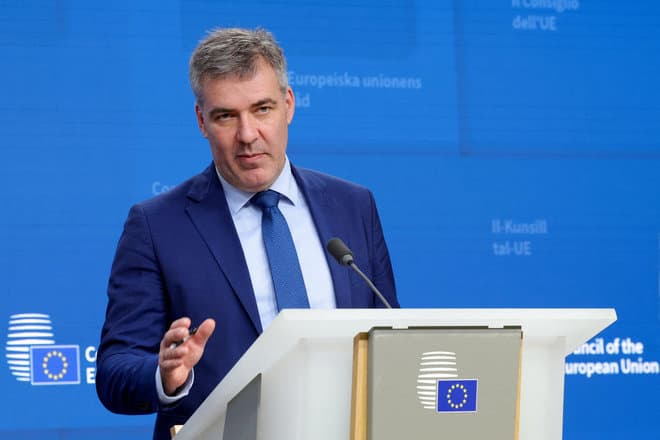
– When grid companies differentiate their tariffs, it is crucial that the division reflects the actual load in the electricity grid. This is the only way to ensure that the price signals work as intended and support flexible consumption and efficient use of network capacity, says Carsten Smidt, CEO of the Danish Electricity Supply Authority.
The inspection does not look at prices, but at methods, and must reveal whether the network companies have assessed and documented how the tariff zones fit their networks. The methods are based on Green Power Denmark's guidance on Tariff Model 3.0.
- We carry out the inspection as part of our general inspection task. The inspection is only a check that the industry lives up to the tariff methods that have been notified and approved, says Carsten Smidt.
The four companies have been selected to represent different sizes and network structures - not on the basis of suspected violations of the law.
The inspection will be carried out in the second half of 2025 and will conclude with individual assessments and publication of results and experiences.
Text, graphics, images, sound, and other content on this website are protected under copyright law. DK Medier reserves all rights to the content, including the right to exploit the content for the purpose of text and data mining, cf. Section 11b of the Copyright Act and Article 4 of the DSM Directive.
Customers with IP agreements/major customer agreements may only share Danish Offshore Industry articles internally for the purpose of handling specific cases. Sharing in connection with specific cases refers to journaling, archiving, or similar uses.
Customers with a personal subscription/login may not share Danish Offshore Industry articles with individuals who do not themselves have a personal subscription to Danish Offshore Industry.
Any deviation from the above requires written consent from DK Medier.