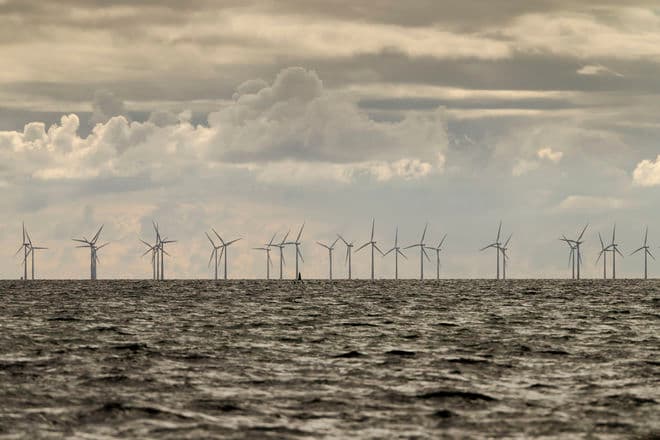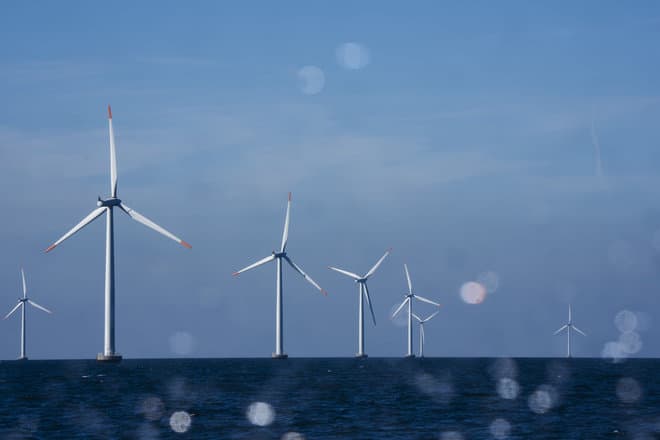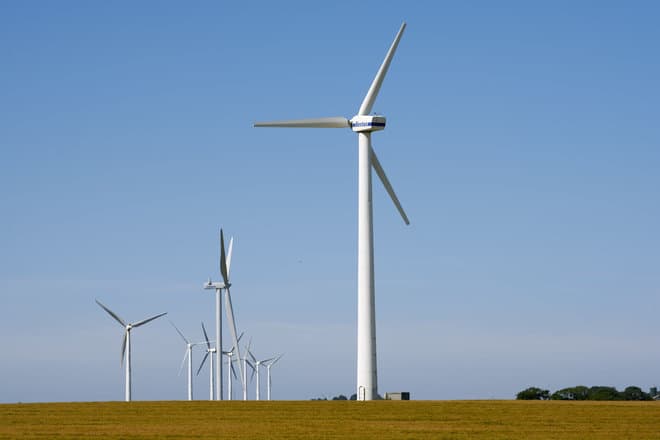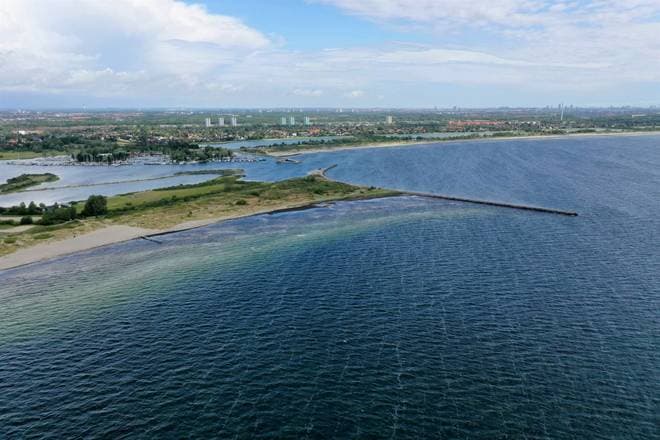



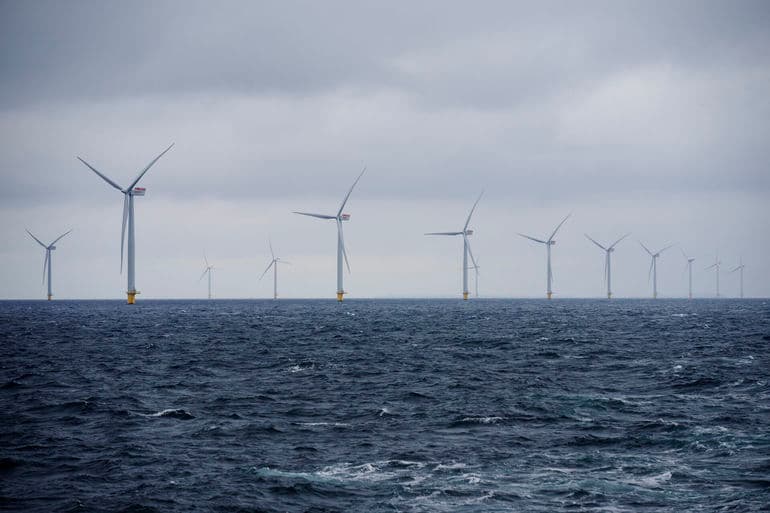
The Danish Energy Agency has again rejected 37 applications for feasibility studies permits for offshore wind projects under the open door scheme. The agency continues to assess that the permits will involve illegal state aid, as they grant exclusive rights to offshore areas free of charge without competition. The agency states this in a press release.
The rejections come after the Energy Appeals Board in May and June 2024 overturned a number of previous rejections and remanded the cases for new consideration. This was due, among other things, to the fact that the appeals board concluded "that the Danish Energy Agency has not sufficiently justified that a feasibility study permit for a specific area constitutes a value for the applicant," the appeals board said in connection with the returns in June 2024.
The Danish Energy Agency has now reassessed the applications – including three for testing purposes – and maintains its original assessment. This means that the door for the projects is now once again completely closed.
- It would be illegal state aid to grant a preliminary exploration permit that gives the applicant exclusive rights to a given sea area if the permit has value for the applicant and there has been no competition for the area. Ultimately, it is about complying with EU state aid rules, says Stig Uffe Pedersen, Deputy Director General of the Danish Energy Agency.
According to the agency, the permits have economic value in the offshore wind market, based on experiences from the Thor Offshore Wind Farm and developments in the rest of Europe. The Danish Energy Agency therefore assesses that preliminary exploration permits under the open door scheme are still too valuable to be granted without payment - regardless of the fact that no bids were received for certain sea areas in 2024.
- It does not change the assessment that no bids were received for the areas in the North Sea in 2024, or that it has been decided to introduce a support model in the upcoming tender for 3 GW offshore wind turbine projects. The terms of the government tenders with significant delay penalties and withdrawal penalties are more restrictive than the terms under the open door scheme, and the assessment is therefore that it is still valuable to obtain a feasibility study permit for new commercial offshore wind projects under the open door scheme,” says Stig Uffe Pedersen.
The open door scheme was established in 1999. The scheme was intended for small and coastal offshore wind projects or projects based on the discovery of new areas that are not included in the government tenders. The purpose of the scheme was, among other things, to support market development to promote the expansion of renewable energy.
The Danish Energy Agency put the case processing under the open door scheme on hold in February 2023. The government has subsequently closed the scheme after investigating options to reopen it.
Text, graphics, images, sound, and other content on this website are protected under copyright law. DK Medier reserves all rights to the content, including the right to exploit the content for the purpose of text and data mining, cf. Section 11b of the Copyright Act and Article 4 of the DSM Directive.
Customers with IP agreements/major customer agreements may only share Danish Offshore Industry articles internally for the purpose of handling specific cases. Sharing in connection with specific cases refers to journaling, archiving, or similar uses.
Customers with a personal subscription/login may not share Danish Offshore Industry articles with individuals who do not themselves have a personal subscription to Danish Offshore Industry.
Any deviation from the above requires written consent from DK Medier.