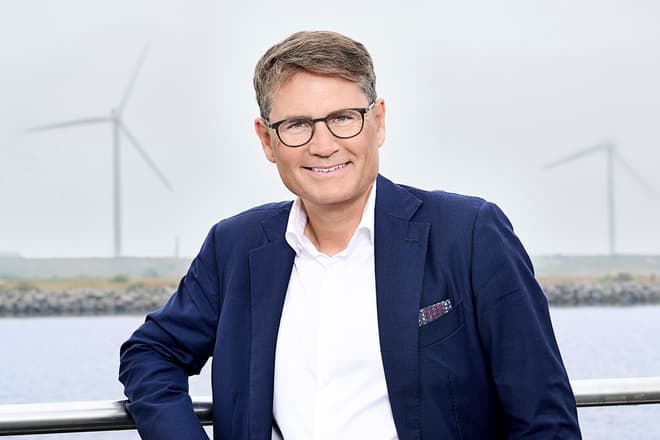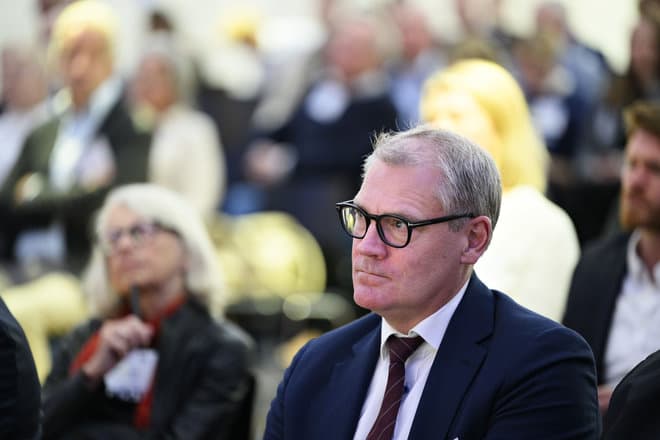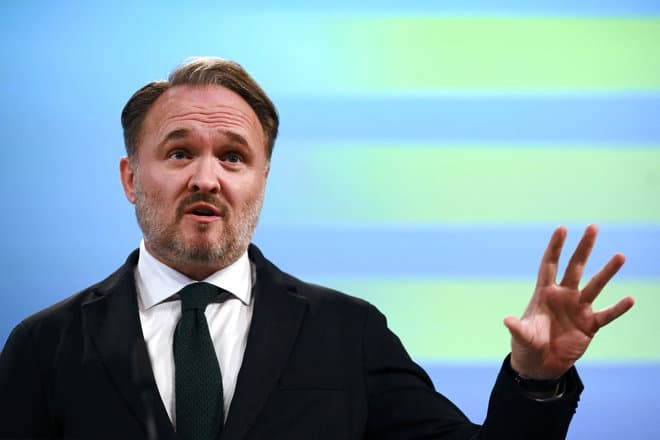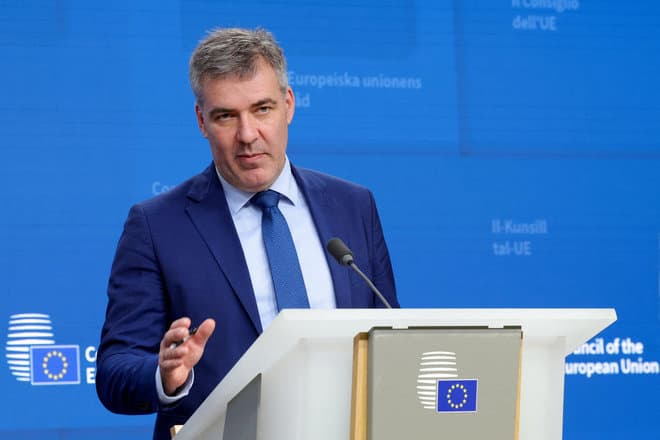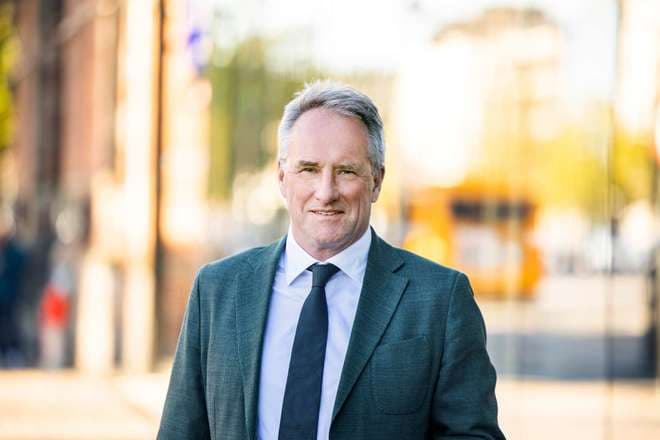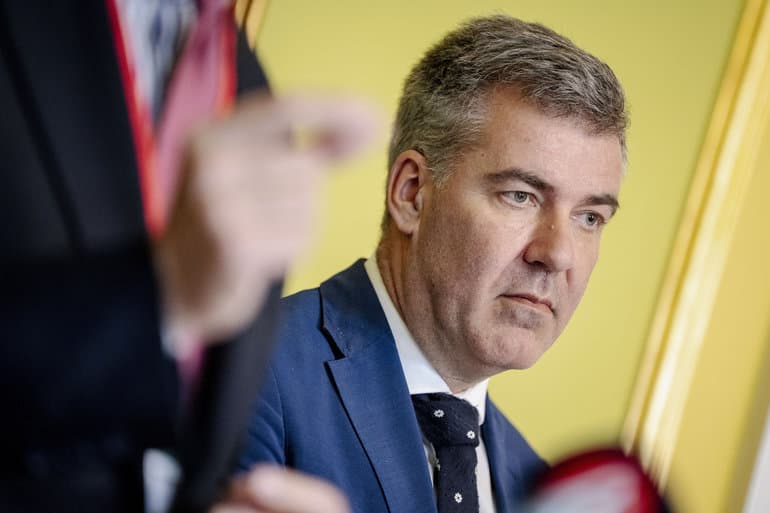
Denmark will try to close an agreement between EU countries on the 2040 climate target at an extraordinary meeting on September 18 in Brussels. This is stated by Climate Minister Lars Aagaard (M) at a press conference in Eigtveds Pakhus on Wednesday, focusing on the priorities for Denmark's EU presidency.
- The goal is to get an agreement in place on September 18. I hope that all member states are clear in their messages, but also pragmatic, says Lars Aagaard.
The Danish EU presidency has thus set a hard deadline. August is traditionally the summer holiday in the EU system. However, the first steps will be taken at an informal ministerial meeting next week in Aalborg, says Lars Aagaard.
He also links his optimism to the fact that the EU Commission has taken the concerns of the member states into account in its proposal for a 2040 target, which is a 90 percent reduction in greenhouse gases compared to 1990.
To get the countries on board with the target, the Commission proposes to allow climate credits of up to three percent from 2036. Flexibility in relation to which sectors must contribute should also cause the high targets to slide down among the EU countries.
- Europe must be the most ambitious region on climate, but we must not lose competitiveness. The EU Commission proposal also includes protection for the industry, so I think an agreement is possible, says Lars Aagaard.
2035 target must also be in place
However, the Danish EU presidency will come under great pressure. Because in September the EU will also have to submit a 2035 climate target to the UN. According to Lars Aagaard, this will be based on the 2040 target, which will be adopted on September 18.
In other words: If an agreement on the 2040 target is not reached, Denmark and the EU could have great problems reaching a 2035 climate target. It would be considered a disaster for the EU's credibility in the climate field.
The target should help put pressure on, for example, China and the US to do more for the climate at COP30 later this year. Denmark may also be challenged by the rules for how the EU should vote on the two climate goals.
The 2040 climate goal must be adopted by a qualified majority. This makes it possible to get the goal passed, even if some EU countries say no.
However, if the 2040 goal fails at the meeting on September 18, it looks difficult to meet the September deadline for the 2035 goal, which must be reported to the UN.
The rules for voting on the 2035 goal itself may also cause problems for the Danish EU presidency. It requires unanimity among all 27 EU countries to adopt the 2035 goal.
So if some countries feel overwhelmed, if Denmark, for example, gets an agreement with a qualified majority in the house on the 2040 goal, they can "revenge" by refusing to vote for the 2035 goal. However, Lars Aagaard plans to put heavy pressure on countries that might block the UN goal:
- If there are countries that want to block an ambitious goal, they must come forward and explain themselves. It will be tragic for Europe if we cannot stand together and meet the rest of the world. It is a great responsibility to take on if some countries do so, says Lars Aagaard.
/ritzau/
Text, graphics, images, sound, and other content on this website are protected under copyright law. DK Medier reserves all rights to the content, including the right to exploit the content for the purpose of text and data mining, cf. Section 11b of the Copyright Act and Article 4 of the DSM Directive.
Customers with IP agreements/major customer agreements may only share Danish Offshore Industry articles internally for the purpose of handling specific cases. Sharing in connection with specific cases refers to journaling, archiving, or similar uses.
Customers with a personal subscription/login may not share Danish Offshore Industry articles with individuals who do not themselves have a personal subscription to Danish Offshore Industry.
Any deviation from the above requires written consent from DK Medier.