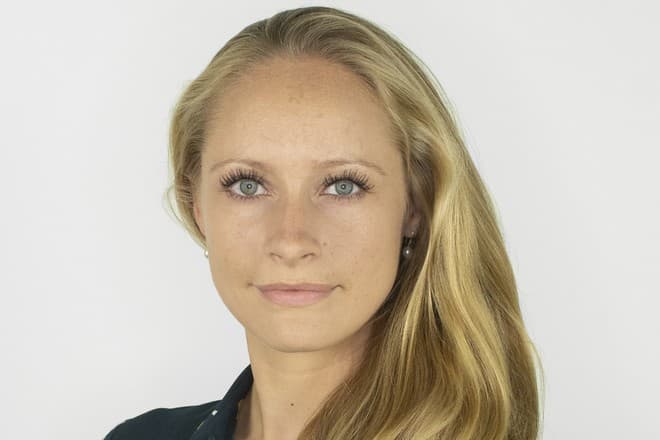
It is problematic that the EU is opening the back door to climate credits, thereby giving countries the opportunity to pay off part of their obligation. This is the opinion of Kira Marie Peter-Hansen of the Danish Socialist Party, who represents the Greens in the European Parliament.
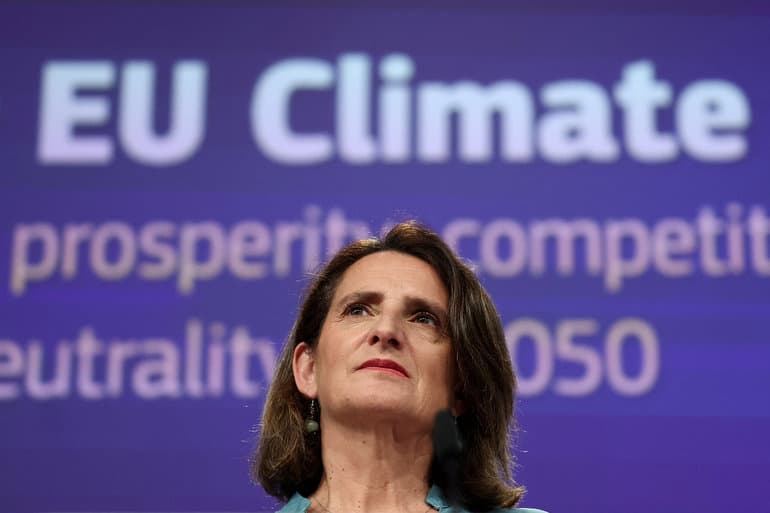
On Wednesday, the European Commission published its proposal for the 2040 climate target of reducing greenhouse gases by 90 percent with the help of climate credits. This is a reduction in emissions of 90 percent compared to emissions in 1990.
The Confederation of Danish Industry (DI) has a different view, and is optimistic about the impact of the target.
- The Commission's proposal is to bring together 27 countries. In Denmark, we broadly agree on a 90 percent target, but not everyone else will readily embrace it, says Danish Industry's climate chief Anne Højer Simonsen.
- Therefore, it makes sense to have some flexibility in the proposal with the possibility of using credits and negative emissions from CO2 capture and storage, she adds.
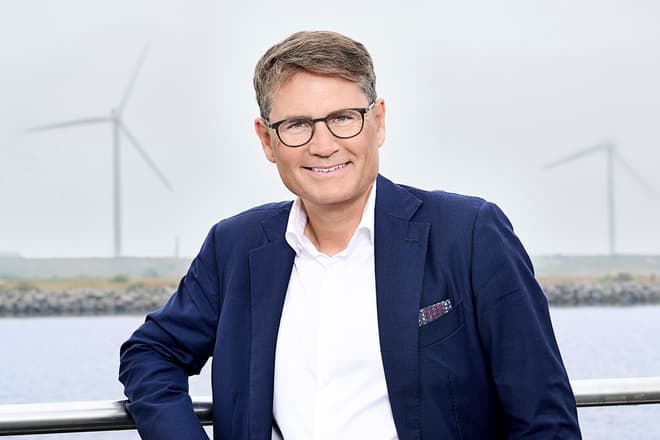
Stine Bosse (M), who represents the Renew Europe group in the EU Parliament, is in line with Danish Industry. She is positive about the proposal, if the climate credits are monitored.
- The credits certainly did not grow in our backyard, but if they are made in a way that they do not become loopholes in the legislation, but real climate action, then it could be a good idea, says Stine Bosse.
According to Kira Marie Peter-Hansen, by introducing climate credits, the EU is helping to stamp the principle on the rest of the world.
- We have a really bad history with climate credits. Their effect is partly fraught with great uncertainty, and partly it has the consequence that we delay the transition here in Europe because investments are moving out, she says.
She also believes that climate credits can help to draw investments away from the green transition in Europe.
LA: Sensible solution
The Liberal Alliance's Henrik Dahl, who represents the EPP group in the European Parliament, thinks that the credits are a sensible solution.
- CO2 does not stop at national borders. Therefore, it is only good if the EU wants to make use of climate credits. The EU is far ahead in green emissions compared to other countries. Therefore, we can get much more green transition for the money if we invest in countries other than the EU, where you can reduce much more for much less, says Henrik Dahl.
According to the parliamentarian, SF is "extremely unvarnished" in their view of the green transition.
/ritzau/
Text, graphics, images, sound, and other content on this website are protected under copyright law. DK Medier reserves all rights to the content, including the right to exploit the content for the purpose of text and data mining, cf. Section 11b of the Copyright Act and Article 4 of the DSM Directive.
Customers with IP agreements/major customer agreements may only share Danish Offshore Industry articles internally for the purpose of handling specific cases. Sharing in connection with specific cases refers to journaling, archiving, or similar uses.
Customers with a personal subscription/login may not share Danish Offshore Industry articles with individuals who do not themselves have a personal subscription to Danish Offshore Industry.
Any deviation from the above requires written consent from DK Medier.