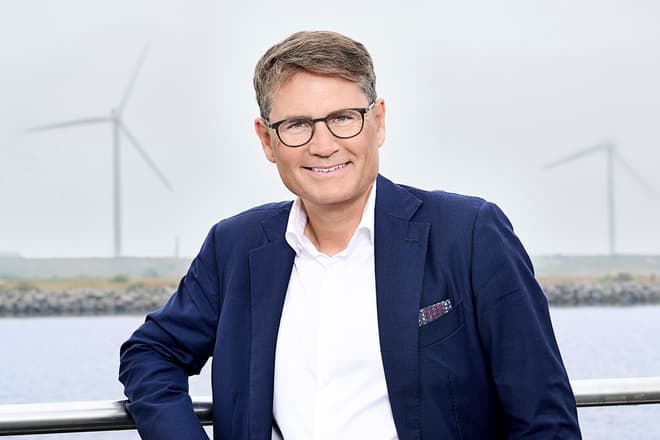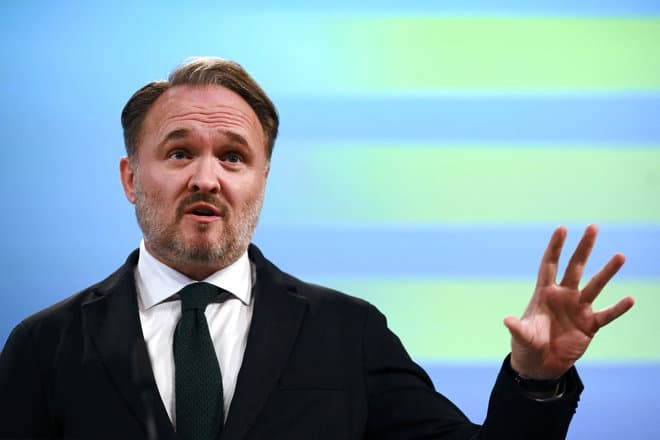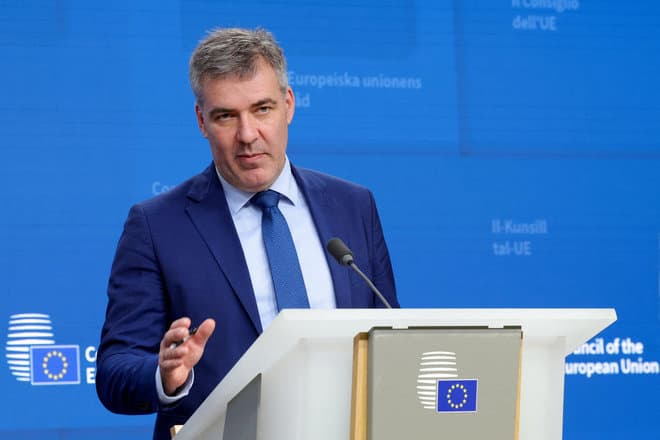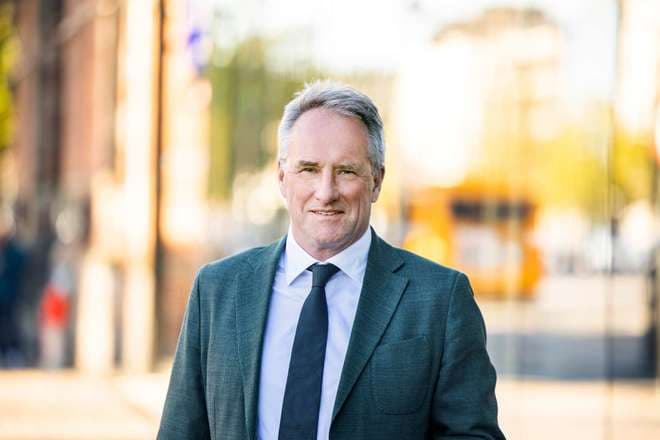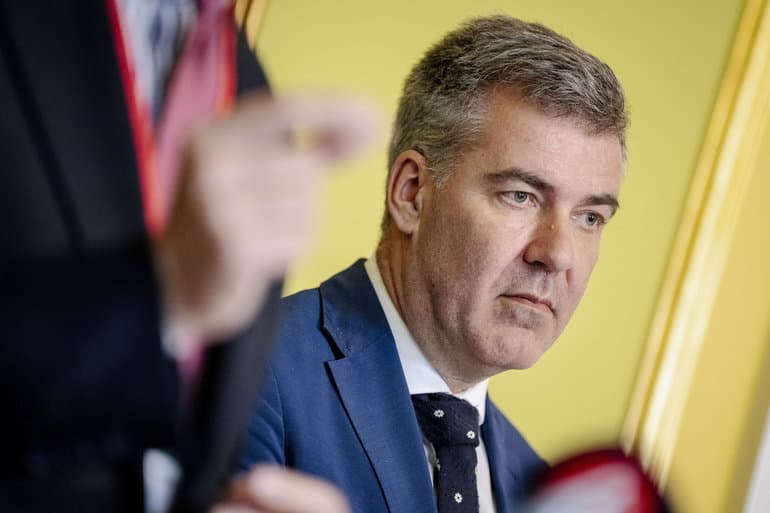
Climate Minister Lars Aagaard (M) will now work to find a compromise and flexible ways to achieve the EU's new climate target in 2040, even though Denmark is reluctant to use the tool. He said this after the EU Commission presented its proposal for a new climate target for 2040 on Wednesday.
- This is not something that has come from a Danish wish, but it has been a strong wish from many other countries, says Lars Aagaard.
As the country holding the presidency of the EU, the task now becomes finding agreement among the union's 27 different countries. Here, Danish priorities must be set aside for a while.
- The position of a presidency country is not so much what one would like to have, but to a large extent to listen to what other countries want, says Lars Aagaard.
Long-awaited proposal for climate targets
The EU Commission's proposal for a new climate target for 2040 has been long-awaited. The goal has already been tried to be designed as a living compromise.
On the one hand, the target figure of a 90 percent reduction in relation to the emission level for 2040 is to be considered more ambitious than the critical countries want.
At the same time, several flexibility mechanisms have been incorporated, such as CO2 credits, which can make the achievement easier, which is drawing criticism from green parties and organizations.
Lars Aagaard will now work to find an agreement.
- I hear the concerns from both camps, and the task is now to listen and look for how we can land a compromise that is as good as there is support for, he says.
Three flexibility mechanisms
Overall, there are three flexibility mechanisms that will make it easier for the member states to meet the climate goal.
The One is that countries can buy credits corresponding to a three percent CO2 reduction from 2036. This means that the reductions against payment will have to be made in other countries.
The second is that CO2 capture and storage of natural carbon will be allowed in the EU's quota system.
The third is that the EU will allow flexibility in efforts in different sectors. This means, for example, that a country will be able to reduce emissions more in a sector such as agriculture if it wants to keep its steel production exempt - or vice versa.
For Lars Aagaard, these are not necessarily bad tools, even if Denmark itself did not want them.
- I can see a point in establishing mechanisms that allow rich countries to transfer money to poor countries and help them with the green transition. In principle, there is nothing wrong with that, he says.
- But that is absolutely on the condition that the integrity is in order.
/ritzau/
Text, graphics, images, sound, and other content on this website are protected under copyright law. DK Medier reserves all rights to the content, including the right to exploit the content for the purpose of text and data mining, cf. Section 11b of the Copyright Act and Article 4 of the DSM Directive.
Customers with IP agreements/major customer agreements may only share Danish Offshore Industry articles internally for the purpose of handling specific cases. Sharing in connection with specific cases refers to journaling, archiving, or similar uses.
Customers with a personal subscription/login may not share Danish Offshore Industry articles with individuals who do not themselves have a personal subscription to Danish Offshore Industry.
Any deviation from the above requires written consent from DK Medier.