Denmark wants Ukraine closer to the EU even if Hungary blocks it
Ukraine must be brought as close to the EU as possible - even if it is difficult in light of Hungary's no.
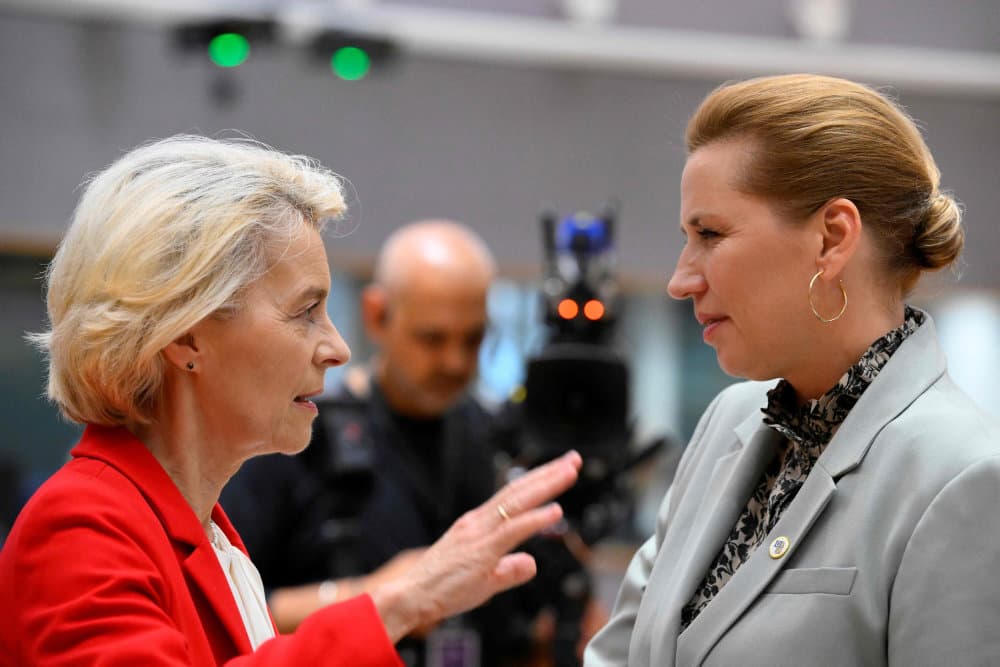
This is what Prime Minister Mette Frederiksen (S) says on her way to the EU summit in Brussels on Thursday.
Here, the Hungarian Prime Minister, Viktor Orbán, made it clear again that he will be one of the biggest headaches for the Danish EU presidency, which begins on July 1.
While Denmark ideally wants to open all six negotiation areas with Ukraine on the road to EU membership during the EU presidency, Orbán says no.
- The problem is the war. If we integrate Ukraine into the EU, we will let the war in, Viktor Orbán said on Thursday.
Since the decision requires unanimity, Orbán is effectively equipped with a veto.
Yet Mette Frederiksen has no doubt that the EU should work towards enlargement with more new countries:
- When you look at the EU and enlargement through security policy lenses, there is no doubt in my mind that we must bring both the Western Balkans, Moldova and Ukraine as close to us as possible.
- That is why we need to open up and get further in the negotiations with the individual countries, says Mette Frederiksen.
However, she also acknowledges the challenge from Hungary, which has repeatedly threatened to veto important decisions about, for example, financial support for Ukraine, during the war in Ukraine.
- Yes, it is true that it is Hungary in particular that is blocking, at least for now. We have to see if we can find a way around that.
- This also applies to the 18th sanctions package, says Mette Frederiksen.
She is thus referring to the sanctions that 25 of the 27 EU countries want to introduce against Russia in order to pressure the country to the negotiating table.
In addition to Hungary, Slovakia has also asked for a period of reflection before agreeing to the sanctions.
Hungary and Slovakia are concerned about their energy supply if the Danish EU presidency gathers a qualified majority behind the EU Commission's proposal to say goodbye to Russian gas.
The two Eastern European countries use Russian energy as part of their energy supply. However, the EU Commission has tried to address the concerns by securing gas from other suppliers.
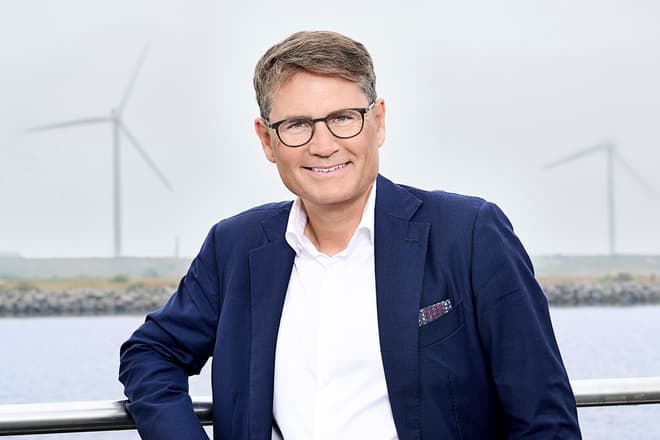
According to EU Commissioner for Energy, Dan Jørgensen, this can be done without the price increasing for the two countries - also in light of the fact that EU countries have become better at saving gas.
So far, however, it has not been enough to convince Hungary and Slovakia to agree to the 18th sanctions package.
At the summit, Ukrainian President Volodymyr Zelenskyy is appealing to EU leaders to send a "clear political signal" that they support Ukraine on its path to EU membership.
He said this in a video message to EU leaders, according to Reuters.
According to the president, the EU must confirm "that the EU stands by its promises".
He emphasizes that an oil price ceiling for Russian oil of $30 is necessary "for real, lasting peace".
/ritzau/