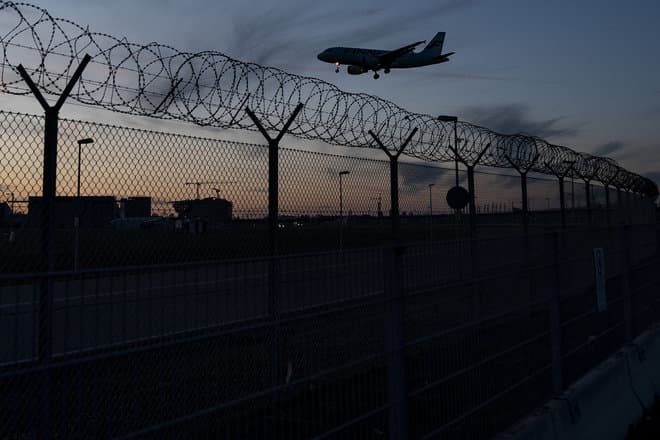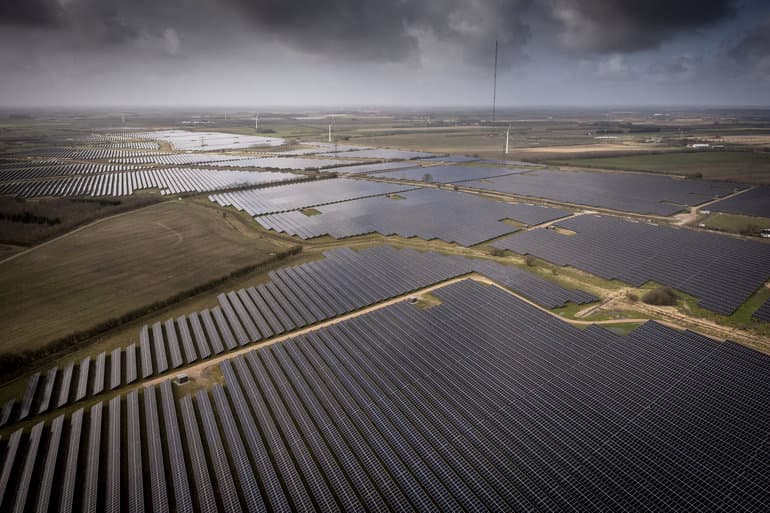
Wind turbines and solar cells are popping up in the landscape, and renewable energy plays a central role in phasing out oil and gas and slowing down global warming. Electric cars are being purchased and heat pumps are being installed, but not all areas can be electrified. For example, long flights, which require too large batteries.
Part of the solution may be found in Kassø west of Aabenraa, where the country's first full-scale PtX plant will open in the new year. It is a technology where renewable energy - here especially from a solar park - is converted into other forms of energy, which can be turned into green fuels.
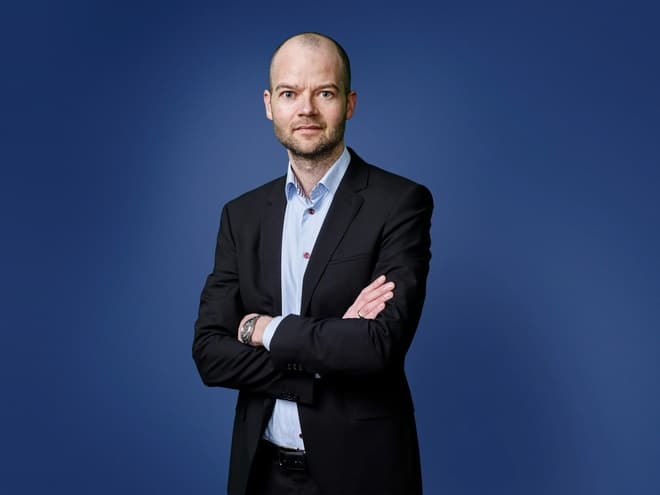
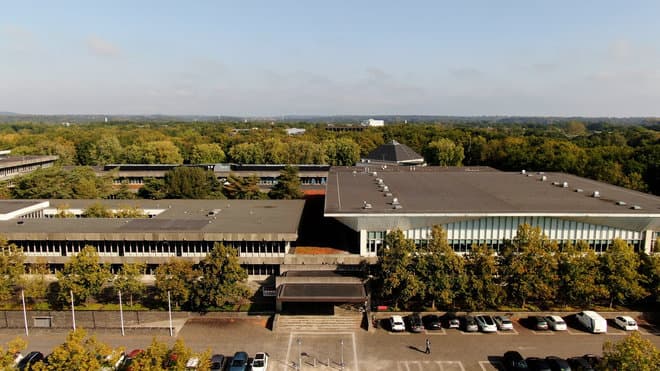
According to Jakob Kibsgaard, a professor at the Technical University of Denmark, PtX will play an important role in the green transition.
- Air and shipping traffic, as well as our industry, will eventually come to rely on Power-to-X. There is no way around it, he says.
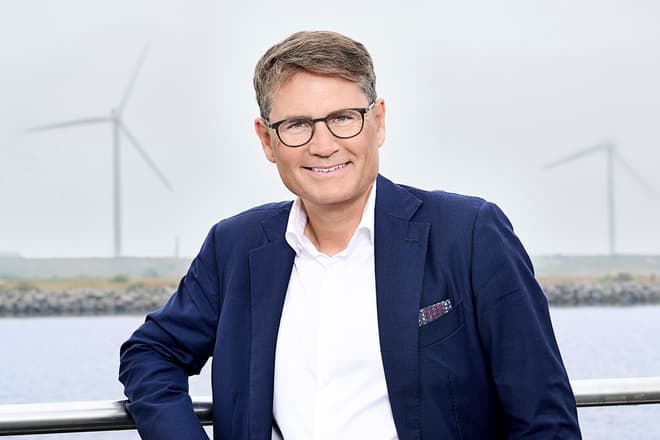
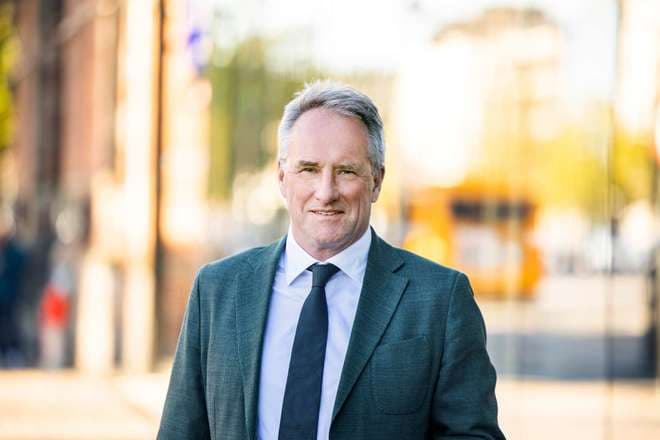
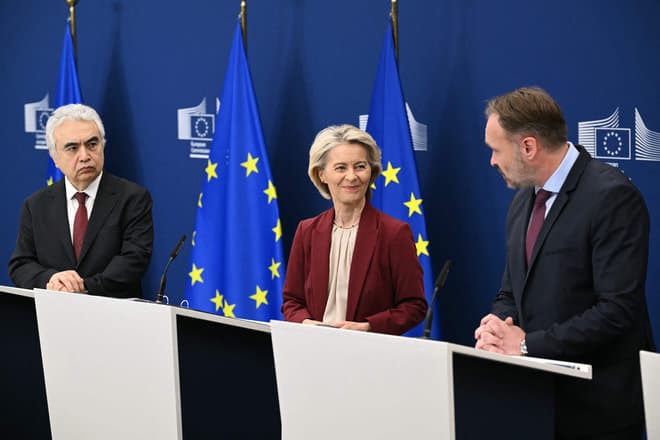
Through the process of electrolysis, the green electricity can be used to split water into oxygen and hydrogen, which can be used directly as fuel. It is an area that politicians are investing heavily in. Recently, six projects were awarded a pool of 1.25 billion to kickstart production. However, the interest was much greater, which delighted Minister of Climate, Energy and Utilities Lars Aagaard (M).
- Today is a big day, when we will get even more momentum in the Danish hydrogen adventure, the minister said in October. It is climate action that can help both Denmark and our European neighbors get rid of fossil fuels such as coal, gas and oil and bring us closer to the climate goals.
European Energy has many projects in the pipeline
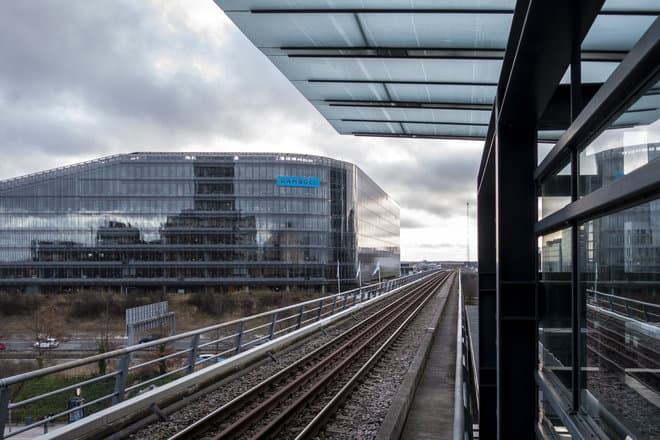
European Energy, which is behind the PtX plant in Kassø, received a share of the money - including for a plant in Padborg, which will be three times larger than the one in Kassø.
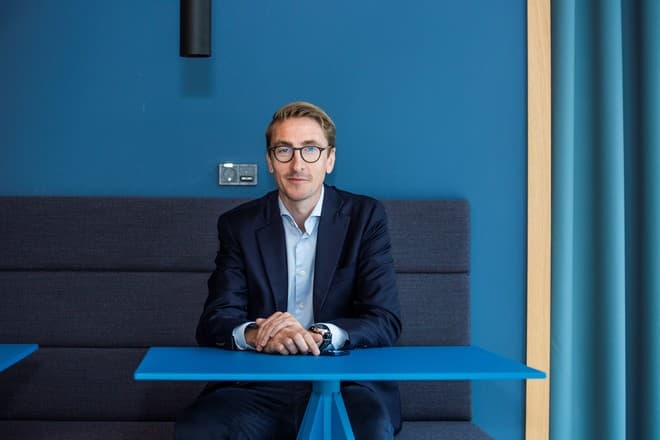
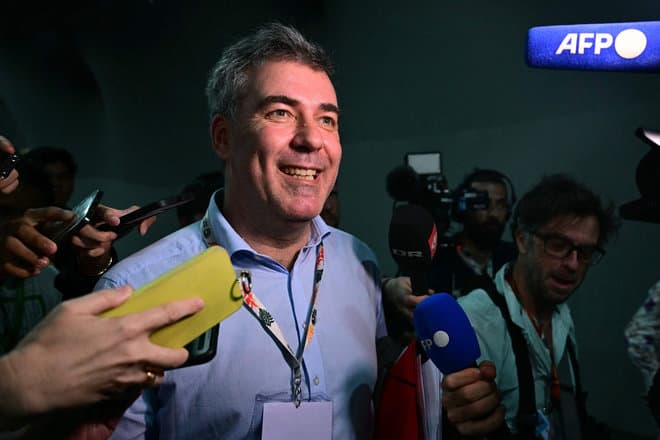
- In addition, we have a number of plans for projects in the USA, Brazil and Australia, among others, says the company's PtX manager, Emil Vikjær-Andresen, in a comment.
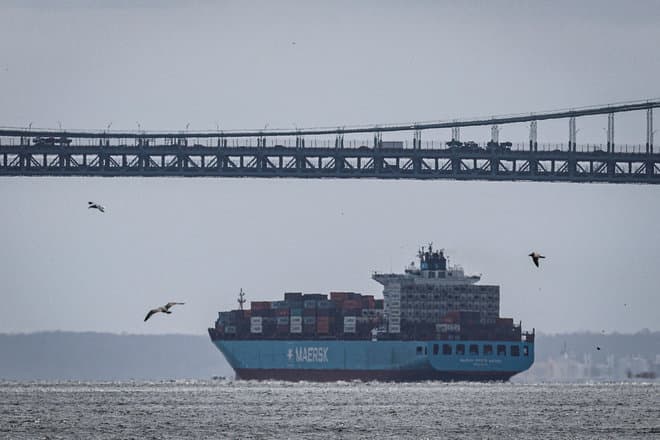
Hydrogen can be converted into other fuels - for example ammonia, if nitrogen is added, and e-methanol, if CO2 is added. The latter is being targeted by Danish A.P. Møller-Mærsk is big on it, and the shipping company will also have to purchase a large part of the e-methanol that the plant in Kassø will produce.
Currently, however, there is too little on the market if shipping and air traffic are to move away from fossil fuels. And there are other challenges as well. Firstly, energy is wasted when it is converted, which makes it expensive.
Great faith in the technology
At the same time, the CO2 has to come from somewhere. According to Jakob Kibsgaard, the best thing to do here would be to pull it out of the air, but that requires a lot of energy.
Instead, it can be captured from the chimneys of power plants. It still ends up in the atmosphere, but is used at least once more before. However, it is a dilemma, as we also plan to hide it underground, so that we avoid it causing the temperature to rise.
According to Jakob Kibsgaard, the plant in Kassø is a small step, but the confidence is great:
- It is only a small step, but it is clear that you have to demonstrate that it can be done before you really scale it up.
The first methanol at the plant in Kassø is expected to be produced this summer.
/ritzau/
Text, graphics, images, sound, and other content on this website are protected under copyright law. DK Medier reserves all rights to the content, including the right to exploit the content for the purpose of text and data mining, cf. Section 11b of the Copyright Act and Article 4 of the DSM Directive.
Customers with IP agreements/major customer agreements may only share Danish Offshore Industry articles internally for the purpose of handling specific cases. Sharing in connection with specific cases refers to journaling, archiving, or similar uses.
Customers with a personal subscription/login may not share Danish Offshore Industry articles with individuals who do not themselves have a personal subscription to Danish Offshore Industry.
Any deviation from the above requires written consent from DK Medier.