The United States has sent Iran a 15-point plan to end the war in the Middle East, two unnamed officials familiar with the diplomatic process told The New York Times. The unnamed sources said the plan was handed over to Iran via Pakistan.
According to the newspaper, it is unclear how widely the plan has been shared among Iranian officials. It is also not clear whether Israel, which has attacked Iran along with the United States, supports the plan.
The New York Times has not seen a copy of the plan itself. But the newspaper's sources have shared some of its general outlines. Among other things, the plan addresses Iran's nuclear program and ballistic missiles. According to one of the officials, the plan also mentions shipping routes.
According to the newspaper, the plan in question shows that US President Donald Trump and his administration have stepped up efforts to end the war, which has lasted just over three weeks.
Oil prices have risen by 20 percent.
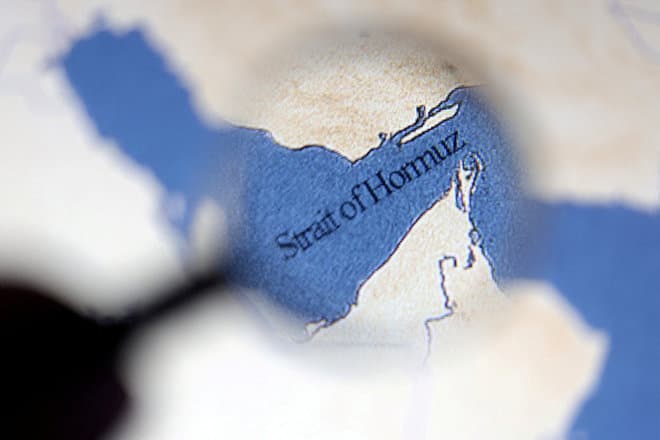
Since the US and Israel attacked the Middle Eastern country in a large-scale operation on February 28, oil prices have exploded. This is partly because Iran has effectively blocked transport through the strategic hub of the Strait of Hormuz. 20 percent of the world's oil is transported through the strait.
However, Iran has said several times that non-hostile ships can be allowed to sail through the strait. This was done, among other things, in a letter to members of the International Maritime Organization (IMO), the Financial Times wrote on Tuesday. The IMO is a body of the UN and has 176 member states, including Denmark.
However, Iran has also emphasized that neither Israeli nor American ships are welcome in the strait. The same applies to ships from countries that support the US and Israel in the war.
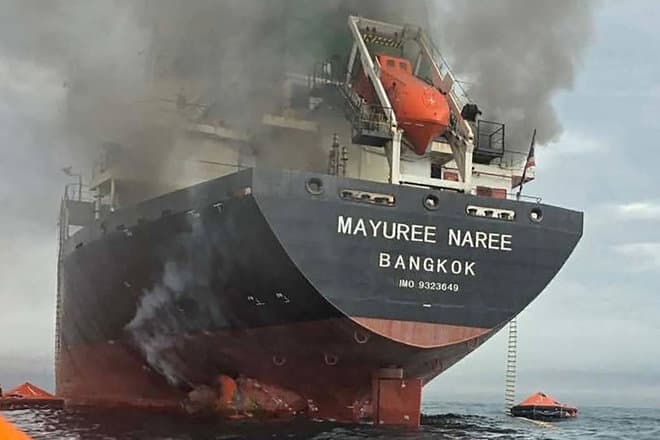
According to the newspaper, around 3,200 ships are stuck in the Persian Gulf. At least 22 ships have been hit by Iran since the conflict broke out. According to The New York Times, it is unclear whether Iran is expected to accept the plan as a basis for possible future negotiations.
/ritzau/
Text, graphics, images, sound, and other content on this website are protected under copyright law. DK Medier reserves all rights to the content, including the right to exploit the content for the purpose of text and data mining, cf. Section 11b of the Copyright Act and Article 4 of the DSM Directive.
Customers with IP agreements/major customer agreements may only share Danish Offshore Industry articles internally for the purpose of handling specific cases. Sharing in connection with specific cases refers to journaling, archiving, or similar uses.
Customers with a personal subscription/login may not share Danish Offshore Industry articles with individuals who do not themselves have a personal subscription to Danish Offshore Industry.
Any deviation from the above requires written consent from DK Medier.