In European countries, the large power systems can handle a single fault in 15 minutes. If multiple faults occur, the situation is critical. And then you can have a breakdown like the one that hit large parts of Spain and Portugal on Monday, says Professor of Energy Systems Jacob Østergaard from the Technical University of Denmark.
- We cannot design the system so that it is 100 percent safe. Even though it is very, very safe. The system is designed in such a way that under normal circumstances it can tolerate a single fault, and then in Europe you have to have stabilized the system within fifteen minutes so that it can tolerate another fault. But situations can arise where you are unlucky, and multiple faults occur within a short time, which can lead to these very large breakdowns, he says.
During the breakdown on Monday, most of Portugal and Spain and a smaller part of France were without power on Monday afternoon. However, the power in France was back on late in the afternoon.
- The Iberian Peninsula is somewhat shielded because there are mountain ranges where there are not many power connections in northern Spain up against France, so the very tangled network on the Iberian Peninsula can collapse, but then the breakdown stops randomly north, says Jacob Østergaard.
Temperature differences led to the breakdown
According to the Portuguese electricity grid operator Ren, it was temperature differences in central Spain that led to the enormous power outage, when oscillations - or fluctuations - occurred in high-voltage lines.
- At all power plants, in wind farms and so on, there are digital regulators that control the units. If the digital regulators start to regulate in opposite directions, so that one regulates down and the other regulates up, they may start to think that the system is unbalanced, and then larger and larger fluctuations may occur, where they alternately regulate up and down.
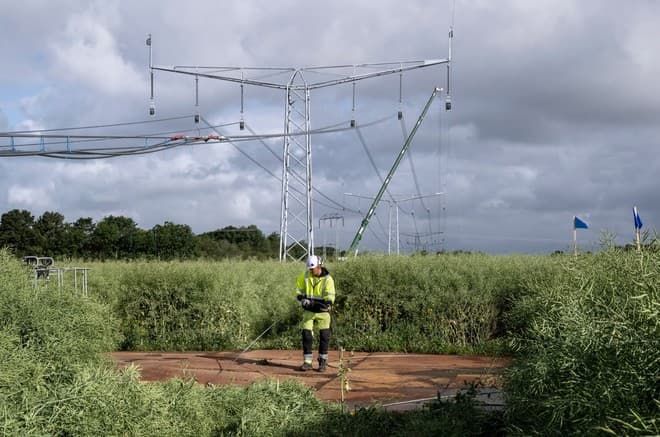
- Then the connections between different parts of the electricity grid can become overloaded, and if some connections start to disconnect because too much current is flowing, other parts of the system are overloaded, and then the whole thing can end up collapsing, explains Jacob Østergaard.
The power outage on the Iberian Peninsula has brought large parts of Spain and Portugal to a standstill. It is extremely rare for such a major outage to affect such large areas and so many people.
In Scandinavia, we last experienced something similar on September 23, 2003, when Zealand and southern Sweden went black.
- It is very unusual, says Jacob Østergaard.
Should security be reconsidered?
According to the professor, there may be good reasons to rethink the security of the European electricity networks so that they are better equipped against major outages. This is due to climate change, the security situation with threats to the West from Russia in particular, and increased digitalization of the electricity grid.
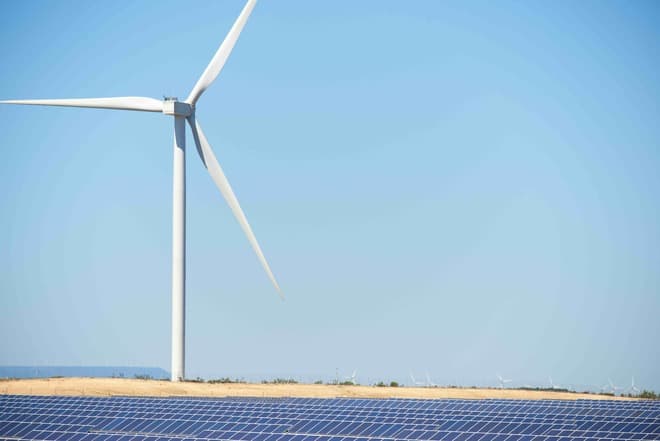
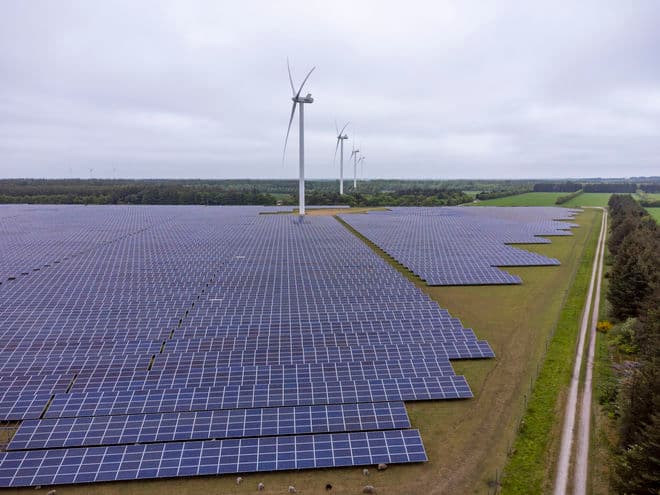
- We need to rethink the entire robustness of the electricity system. Partly because the system is changing to a system based on sun and wind, where there are some other mechanisms that can cause breakdowns.
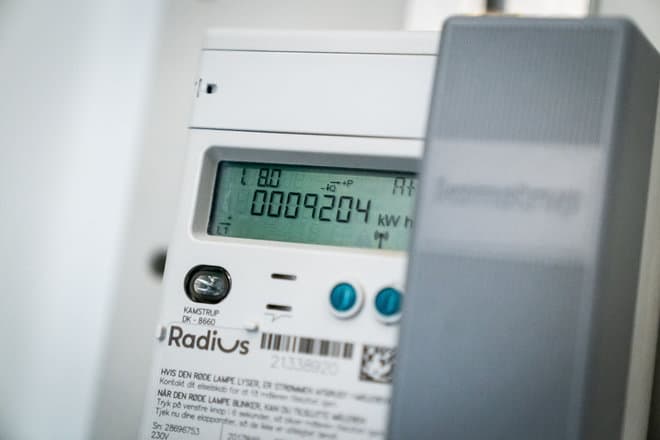
- And then because we see different threat scenarios today than before and more often experience extreme weather situations that can contribute to critical operating situations. Also in relation to the digitalization of the electricity grid, which - if not done right - introduces some new vulnerabilities, he says.
/ritzau/
Text, graphics, images, sound, and other content on this website are protected under copyright law. DK Medier reserves all rights to the content, including the right to exploit the content for the purpose of text and data mining, cf. Section 11b of the Copyright Act and Article 4 of the DSM Directive.
Customers with IP agreements/major customer agreements may only share Danish Offshore Industry articles internally for the purpose of handling specific cases. Sharing in connection with specific cases refers to journaling, archiving, or similar uses.
Customers with a personal subscription/login may not share Danish Offshore Industry articles with individuals who do not themselves have a personal subscription to Danish Offshore Industry.
Any deviation from the above requires written consent from DK Medier.